
When most people think about collagen, they picture expensive powders, serums, and bone broth. But your body actually makes its own collagen, and what you eat for breakfast can support or undermine that process. Dietitians emphasize that the smartest strategy isn't swallowing a scoop of something—it's consistently giving your body the raw materials it needs to build and protect collagen on its own.
The three foods that keep coming up in dietitian conversations about breakfast and collagen are simple, affordable, and probably already in your kitchen. Here's why they work and how to incorporate them without overhauling your routine.
What exactly do "collagen-boosting" foods do?
Collagen production relies on specific amino acids (especially glycine, proline, and hydroxyproline) plus cofactors like vitamin C, zinc, and copper. Foods that provide these building blocks don't contain collagen themselves—they supply the nutrients your body needs to synthesize it. The goal is to support your natural production, not replace it with an external source.
"Your body is a sophisticated factory," says registered dietitian nutritionist Melissa Smith. "Give it the right raw ingredients, and it will produce collagen efficiently. Breakfast is an ideal time to set that up for the day."
1. Eggs – The complete protein powerhouse
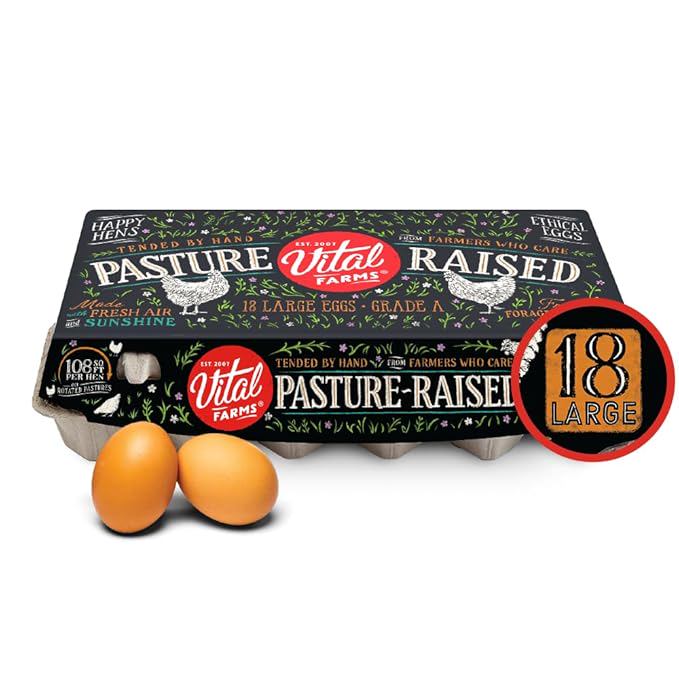
Eggs are one of the few foods that naturally contain the full spectrum of amino acids your body needs, including the ones critical for collagen synthesis. A single large egg provides about 6 grams of high-quality protein, with a good amount of glycine and proline.
What sets eggs apart is their versatility. A simple scrambled egg, a hard-boiled egg on toast, or a vegetable omelet gives you those amino acids without any fuss. Dietitians particularly point to the yolk: that's where you'll find zinc and copper, both essential for collagen cross-linking and stabilization.
For maximum benefit, pair eggs with a source of vitamin C. That could mean a side of bell peppers, a handful of cherry tomatoes, or a glass of orange juice. The vitamin C helps your body use the amino acids more effectively.
2. Citrus fruits – Not just vitamin C
Oranges, grapefruits, lemons, and limes are famous for vitamin C, and for good reason. Vitamin C is a direct cofactor for the enzymes that stabilize and cross-link collagen fibers. Without adequate vitamin C, your body simply cannot produce stable collagen—that's why scurvy, caused by severe deficiency, leads to fragile skin and slow wound healing.
But citrus fruits also provide flavonoids, plant compounds that may protect existing collagen from breakdown by oxidative stress and inflammation. A medium orange gives you about 70 mg of vitamin C, well over the daily recommended intake. Half a grapefruit at breakfast delivers similar benefits.
Practical tip: squeeze fresh lemon or lime into your water, add orange segments to yogurt or oatmeal, or blend grapefruit into a morning smoothie. The vitamin C is heat-sensitive, so raw preparations retain more of it.
3. Berries – Collagen protectors
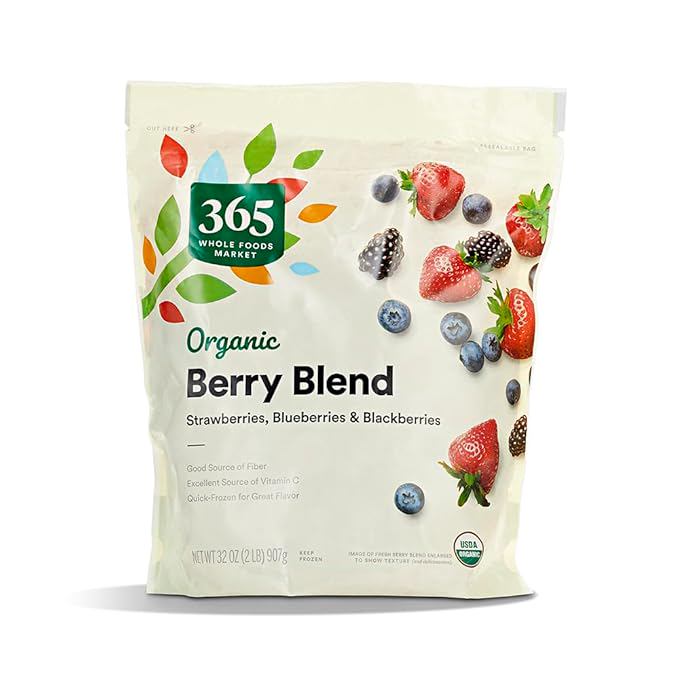
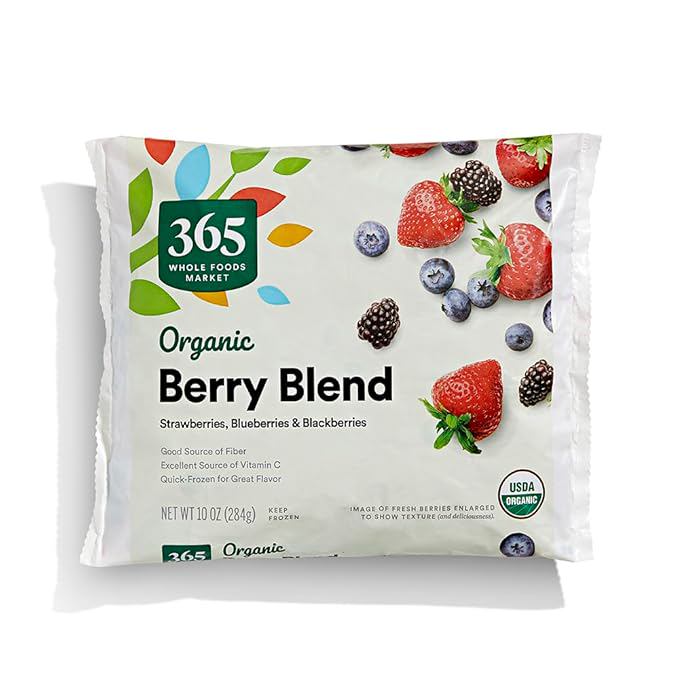
Strawberries, blueberries, raspberries, and blackberries aren't just sweet and low-calorie. They're loaded with vitamin C and anthocyanins, powerful antioxidants that combat the oxidative stress that degrades collagen over time.
Here's the mechanism: sunlight, pollution, and normal metabolism generate free radicals that damage collagen fibers. Antioxidants in berries neutralize those free radicals before they can cause harm. One cup of strawberries provides about 98 mg of vitamin C, more than an orange. Blueberries and raspberries are slightly lower but rich in diverse protective compounds.
Frozen berries work just as well as fresh, and they're often more affordable year-round. Add them to yogurt, sprinkle over oatmeal, or blend into a smoothie with spinach and a splash of milk for a breakfast that nourishes your skin from the inside.
How to combine these foods into a collagen-supporting breakfast
The magic isn't any single food—it's the combination. A breakfast that includes protein (eggs), vitamin C (citrus or berries), and protective antioxidants (berries) sets your body up for a full day of healthy collagen production.
Here are three quick dietitian-approved combos:
- Scrambled eggs with sautéed spinach and a side of orange slices. The eggs deliver amino acids; the spinach provides vitamin C and copper; the orange adds more vitamin C and flavonoids.
- Greek yogurt bowl with mixed berries and a squeeze of lemon. Yogurt offers protein (including collagen-relevant amino acids), berries give antioxidants, and lemon brightens the flavor while boosting vitamin C.
- Oatmeal topped with walnuts, blueberries, and a poached egg. Unconventional, but the egg adds complete protein, blueberries supply protective compounds, and walnuts give copper and omega-3s that may support skin health.
What about collagen supplements?
Collagen powders and pills are popular, but most dietitians view food sources as the foundation. "Supplements can be convenient, but they're not superior to a balanced diet," explains Smith. "Whole foods give you a complex matrix of nutrients that work synergistically. You don't need a supplement if you're eating well."
If you do choose a supplement, look for hydrolyzed collagen peptides and be aware that research is mixed on their effectiveness. The real benefit may come from the amino acids they supply—the same ones you'd get from eggs, chicken, fish, or bone broth.
How long until you see results?
Collagen synthesis is a slow process. You won't see firmer skin or stronger nails after one breakfast. Consistency matters most. Dietitians say it typically takes 8–12 weeks of consistent nutrient intake to notice changes in skin elasticity and hydration, and even longer for structural changes like reduced fine lines.
The most important habit is simply eating these foods most mornings. You don't need elaborate recipes or expensive ingredients. A hard-boiled egg and an orange take two minutes to prepare. A bowl of berries with yogurt takes one minute. That's all it takes to start feeding your collagen production.
Think of these three foods as the foundation of a breakfast that supports your skin, joints, and overall health. Eggs provide the building blocks; citrus delivers the activation key; berries shield the whole system from damage. Together, they create a powerful, evidence-based morning ritual that costs very little and delivers real long-term benefits.