
Your morning routine sets the tone for the entire day, and this is especially true for your metabolism. The choices you make at breakfast can influence how your body responds to insulin for hours afterward. Insulin sensitivity—how efficiently your cells respond to insulin's signal to take up glucose—is a cornerstone of metabolic health. While it's a complex process, the first meal of the day offers a powerful, accessible point of influence.
It’s not about a radical overnight overhaul or restrictive dieting. Instead, it’s about thoughtful, evidence-based shifts that add up. By focusing on three key areas of your morning meal, you can create a foundation for more stable energy, reduced cravings, and long-term metabolic support.
1. Prioritize Protein and Healthy Fats
Starting your day with a plate dominated by refined carbohydrates—like toast, sugary cereal, or pastries—can lead to a rapid spike in blood sugar. Your pancreas responds by releasing a large amount of insulin to usher that glucose into cells. Over time, repeatedly asking your body for these large insulin surges can contribute to reduced sensitivity.
Shifting the balance to include a solid source of protein and healthy fats changes this equation. These nutrients slow the digestion and absorption of carbohydrates, leading to a gentler, more gradual rise in blood sugar and a more modest insulin requirement.
Think of your plate: aim for at least one good protein source and one source of healthy fat alongside any carbohydrates.
This doesn't mean eliminating carbs. It means pairing them wisely. Instead of just a bowl of oatmeal, stir in a scoop of nut butter or serve it with a side of Greek yogurt. Swap a plain bagel for scrambled eggs with avocado on whole-grain toast. The goal is to build a meal that sustains you.
- Protein ideas: Eggs, Greek yogurt, cottage cheese, tofu scramble, a quality protein powder in a smoothie, or smoked salmon.
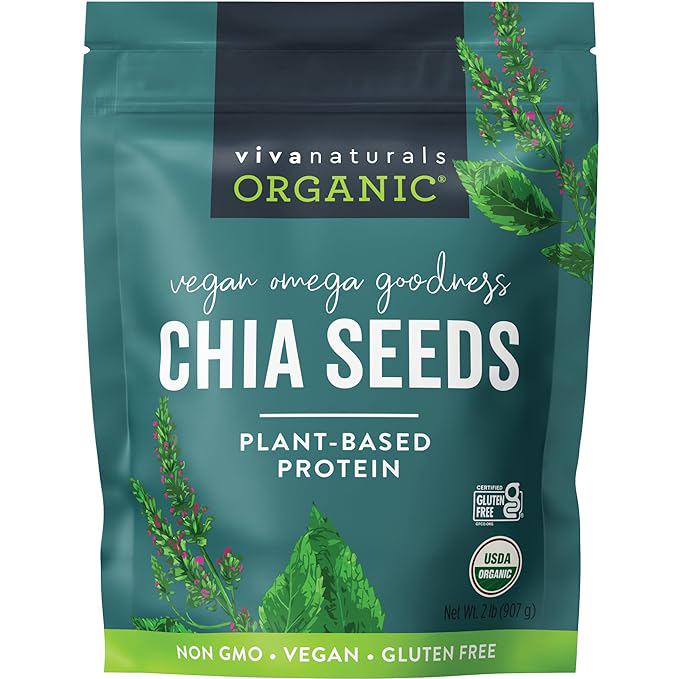
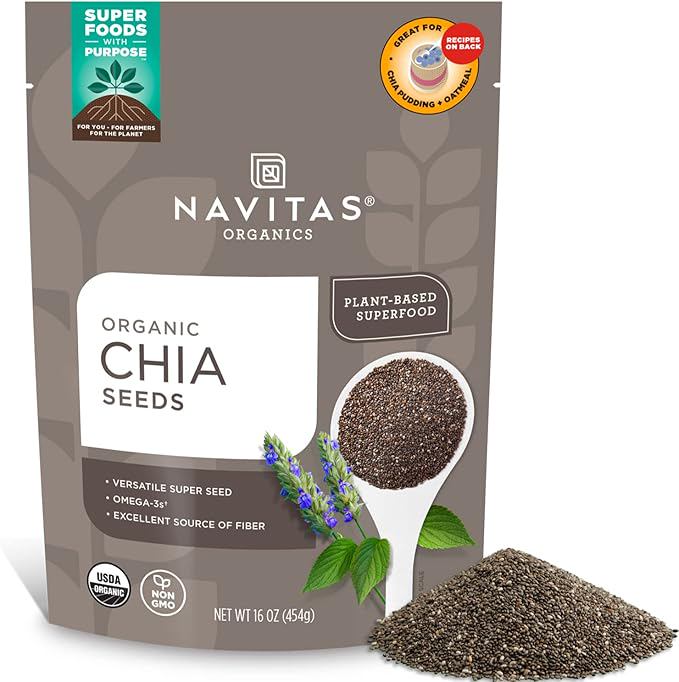
- Healthy fat ideas: Avocado, nuts (like almonds or walnuts), seeds (chia, flax, hemp), nut butter, or olive oil.
2. Choose Your Carbohydrates with Fiber in Mind
Not all carbohydrates affect your blood sugar in the same way. The type and quality matter immensely. The key differentiator is often fiber—specifically viscous, soluble fiber. This type of fiber forms a gel in your digestive tract, slowing down the entire process and moderating the release of glucose into your bloodstream.
Refined grains have had the fiber-rich bran and germ removed, leaving mostly the starchy endosperm. This is why white bread, most breakfast cereals, and pastries act so quickly in the body. Whole, fiber-rich carbohydrates require more work to break down.
What does a high-fiber breakfast carb look like?
Focus on whole foods. Old-fashioned or steel-cut oats are a classic choice. Berries and other whole fruits (with their skin on when possible) offer fiber and beneficial nutrients. For toast, choose a dense, seeded whole-grain or sourdough option. Even starchy vegetables like sweet potato can be a fantastic, fiber-rich base for a savory breakfast bowl.
The visual is helpful: a fluffy white bagel has had most of its natural structure processed away. A bowl of chewy oats with berries still looks largely like the original food. That structure translates to a slower, more beneficial metabolic response.
3. Rethink Your Morning Drink
It’s easy to focus on food and forget that liquids can deliver a significant dose of sugar with virtually no fiber to slow its absorption. A large glass of orange juice, a sweetened latte, or a sugary coffee creamer can disrupt your metabolic goals before you take a single bite of food.
This change is about subtraction and thoughtful addition. Start by assessing what you’re drinking. Could it be made simpler?
- For coffee/tea drinkers: Try gradually reducing added sugar or flavored syrups. If you use creamer, opt for an unsweetened version or switch to a splash of milk or a milk alternative. Cinnamon or a drop of pure vanilla extract can add sweetness without sugar.
- For juice drinkers: Consider swapping juice for the whole fruit. If you enjoy juice, make it a very small side, not the main beverage. Diluting it with water or sparkling water is another good step.
- The hydration foundation: Beginning your day with a glass of water is a simple, supportive habit. Overnight, you become mildly dehydrated, which can sometimes be misinterpreted as hunger or fatigue.
These three changes work synergistically. A breakfast rich in protein, healthy fats, and fiber-rich carbs, accompanied by an unsweetened beverage, creates a powerful trifecta for supporting steady blood sugar and insulin response. It’s not about perfection every single morning, but about building a pattern that your metabolism can rely on. The payoff is often felt quickly—in sustained energy, fewer mid-morning cravings, and the quiet confidence that you’re nurturing your health from the moment you wake up.