After menopause, your body changes in ways that aren't always visible. One of the most significant shifts happens inside your bones. Estrogen, which helps protect bone density, drops sharply during this transition. Without it, your skeleton can begin to thin out silently—often without any warning until a fracture happens.
But the body does give signals. The key is knowing which ones matter. Here are three warning signs that your bones may need more attention, and what to do about them.
1. A Sudden Drop in Height or a Stooped Posture
If you notice your skirts or pants seem longer than they used to be, or a family member comments that you look shorter, don't brush it off. Losing even an inch of height can indicate that the small bones in your spine (vertebrae) are compressing or fracturing. This is called a vertebral compression fracture, and it's one of the most common signs of osteoporosis.
Over time, multiple tiny fractures in the spine cause a forward curve of the upper back, often called a dowager's hump. This isn't a normal part of aging—it's a structural change driven by bone loss.
A height loss of more than 1.5 inches from your tallest adult height warrants a conversation with your healthcare provider about bone density testing.
2. Persistent Back Pain That Doesn't Have an Obvious Cause
Back pain is common after menopause, but there's a difference between muscle strain and bone pain. If you have a dull, nagging ache in your mid-to-lower back that doesn't respond to rest or gentle movement, it could be related to a spinal stress reaction or a small fracture.
This type of pain often gets worse with standing or walking and may ease when you lie down. It can come on gradually, so you might not connect it to your bones at first. But persistent back pain—especially if it's new and not linked to an injury—is worth investigating.
Keep in mind that vertebral fractures can happen without a fall. Simply bending forward to tie a shoe or lifting a grocery bag can be enough to cause a break in weakened vertebrae.
3. Gums That Recede or a Change in How Dentures Fit
It may surprise you, but your jawbone is just as vulnerable to bone loss as your spine or hips. When overall bone density decreases, the jawbone can thin as well. This can cause your gums to recede, teeth to feel loose, or dentures to suddenly feel uncomfortable or slip out of place.
If your dentist notices bone loss on a routine X-ray, that can be an early clue that your skeletal health needs attention. Oral health changes like these often precede more obvious signs like fractures in larger bones.
A visit to the dentist may reveal more than just cavity risk—it can sometimes catch early signs of systemic bone loss.
What These Signs Mean for Your Health
Recognizing these warning signs is the first step. The next is understanding that bone loss can be slowed and, in some cases, partially rebuilt. Lifestyle factors like weight-bearing exercise (walking, dancing, stair climbing), adequate protein intake, and sufficient vitamin D and calcium all play a role.
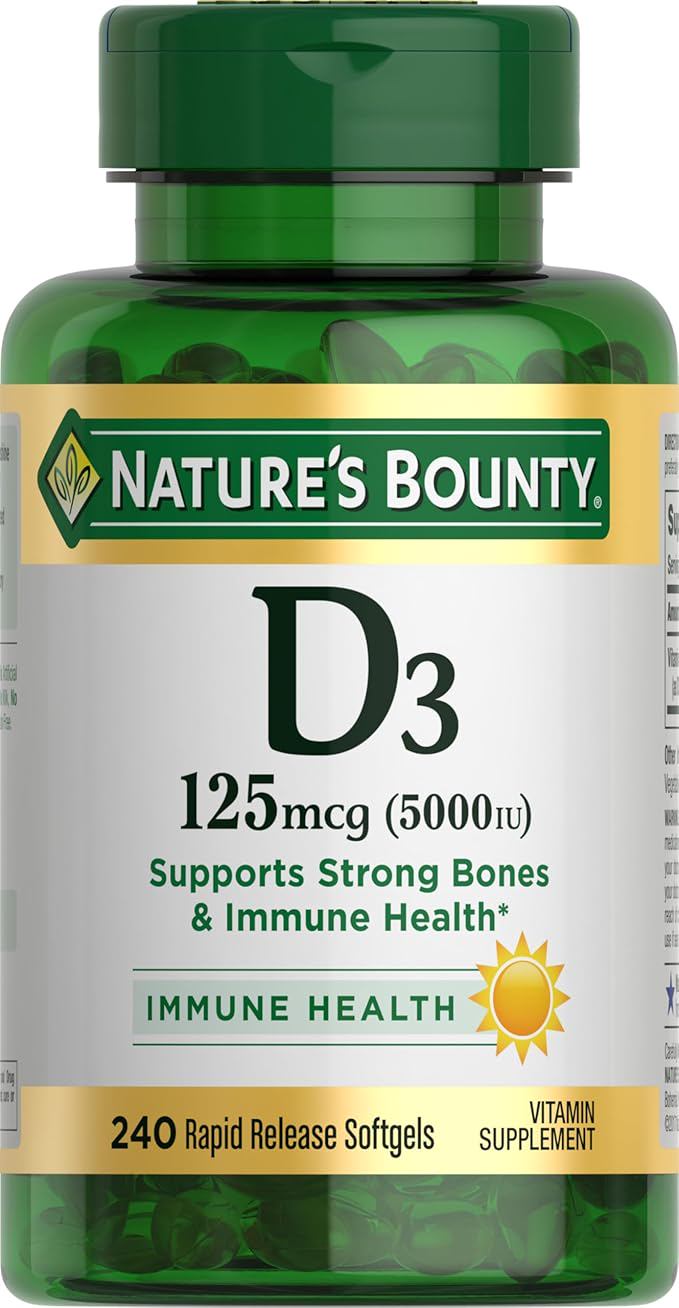
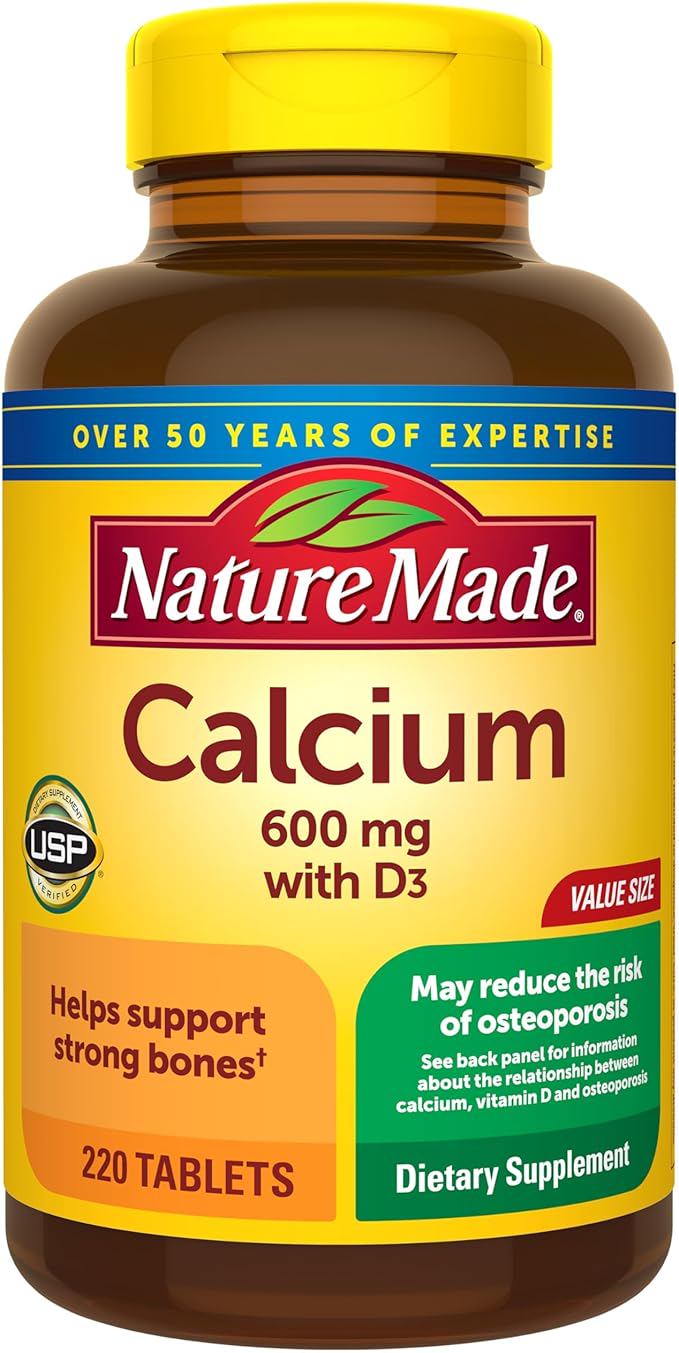
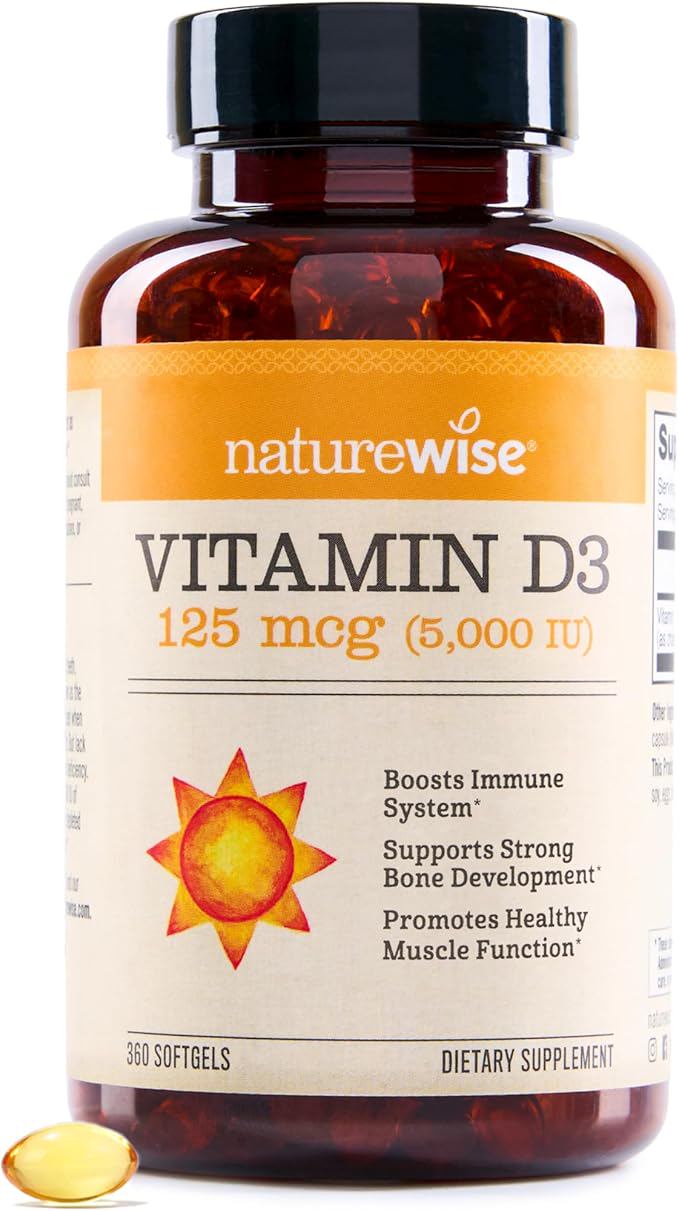
But don't rely on supplements alone. Whole food sources of calcium—such as dairy, leafy greens, and fortified plant milks—are often better absorbed. Vitamin D, which helps your body use calcium, can be obtained from sunlight, fatty fish, and fortified foods. A simple blood test can tell you if your levels are adequate.
It's also important to limit alcohol and avoid smoking, both of which accelerate bone loss. And if you've already experienced a fracture from a minor bump or fall, that itself is a major warning sign that your bones are weaker than they should be.
When to See a Healthcare Provider
If you recognize any of these three signs in yourself, schedule a visit with your primary care provider or a gynecologist who specializes in menopause care. A DEXA scan (dual-energy X-ray absorptiometry) is the gold standard for measuring bone mineral density. This painless scan can detect early bone loss before a fracture occurs.
The National Osteoporosis Foundation recommends bone density testing for all women age 65 and older, and for younger postmenopausal women who have risk factors such as a family history of osteoporosis, a thin frame, or long-term use of medications like corticosteroids.
Bone health after menopause requires active attention. Your body is giving you clues—listen to them early, and you can take steps to protect your skeleton for decades to come.