
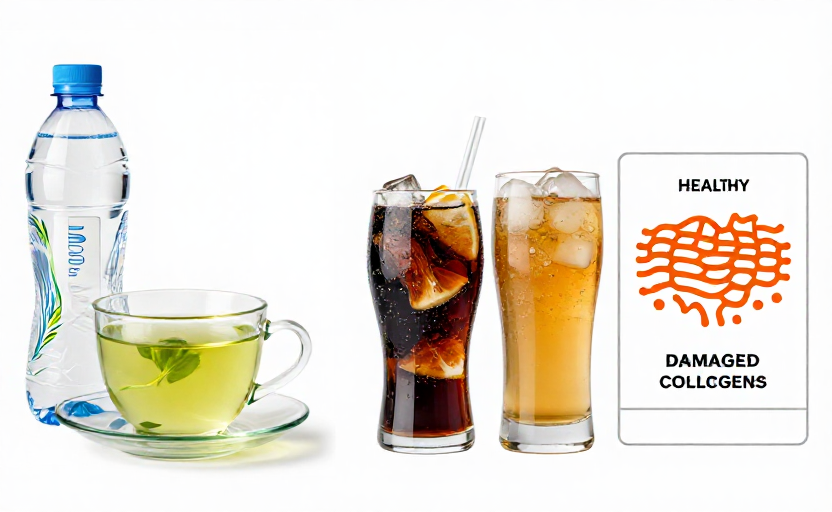
The quest for firm, resilient skin often leads us to serums and creams, but the foundation of skin elasticity is built from within. What you drink can subtly influence the proteins that keep your skin plump and springy, either supporting their structure or accelerating their breakdown. It’s a daily choice that adds up over time.
Think of your skin’s elasticity as a mattress. Collagen and elastin are the supportive coils, while hyaluronic acid and water are the cushioning foam. Certain beverages can help maintain this internal architecture, while others can quietly contribute to wear and tear. The connection isn’t about one sip causing immediate damage, but about consistent habits shaping your skin’s long-term resilience.
How Drinks Influence Skin from the Inside
Your skin is your body’s largest organ, and its health is a direct reflection of your internal environment. Beverages affect skin elasticity through a few key pathways. They can provide hydration and essential nutrients that are the raw materials for collagen production. Conversely, they can promote inflammation and glycation—a process where sugars bind to proteins like collagen, making them stiff and brittle. Some drinks also influence hormone levels, such as cortisol and insulin, which can indirectly impact skin structure.
The most impactful drinks for your skin aren’t topical; they’re the ones you consume consistently, day after day.
Beverages That Can Support Skin Elasticity
These choices work by delivering hydration, antioxidants, and compounds that may help protect your skin’s supportive framework.
Water and Herbal Infusions
It seems almost too simple, but adequate hydration is non-negotiable for skin elasticity. When you’re well-hydrated, skin cells are plumper, which helps minimize the appearance of fine lines and supports the skin’s natural bounce. Herbal teas like green tea take it a step further. They are rich in polyphenols, particularly EGCG, which have antioxidant and anti-inflammatory properties. Research suggests these compounds may help protect collagen from degradation caused by UV exposure and environmental stressors.
Bone Broth
Bone broth has gained attention for its potential skin benefits, primarily due to its collagen content. When bones and connective tissues are simmered, they release collagen, gelatin, and amino acids like glycine and proline—the building blocks of your own skin’s proteins. While more research is needed to confirm direct effects, consuming these nutrients provides the raw materials your body uses to synthesize collagen and elastin. It’s a nutrient-dense way to support the skin’s infrastructure from within.
Certain Fruit and Vegetable Juices (In Moderation)
Not all juices are created equal. Fresh, low-sugar juices made from ingredients rich in vitamin C and antioxidants can be supportive. Vitamin C is a crucial cofactor for collagen synthesis. Think of citrus juices, tart cherry juice, or green juices with spinach and kale. The key is moderation and avoiding juices with added sugars, as the sugar content can quickly outweigh the benefits. A small glass alongside a meal is a better approach than drinking large quantities throughout the day.
Beverages That May Compromise Skin Elasticity
Regular consumption of these drinks can introduce elements that challenge your skin’s structural integrity.
Sugary Sodas and Sweetened Coffee Drinks
These are perhaps the most direct dietary antagonists to skin elasticity. Their high sugar load can spike blood glucose, fueling the glycation process. This creates advanced glycation end products (AGEs), which make collagen and elastin fibers rigid and prone to breaking. The result is skin that loses its suppleness and is more susceptible to wrinkles. The inflammatory response triggered by high sugar intake further exacerbates this damage.
Excessive Alcohol
Alcohol affects skin in multiple ways. It is a diuretic, leading to dehydration that can make skin appear dull and less plump. More significantly, it generates free radicals that promote oxidative stress and inflammation, both of which break down collagen. Alcohol can also deplete levels of vital skin nutrients like vitamin A, a key antioxidant for skin repair. Over time, consistent heavy drinking can contribute to a loss of firmness and elasticity.
Highly Caffeinated Energy Drinks
This category presents a triple threat to skin elasticity: high caffeine, high sugar, and often, a cocktail of other stimulating ingredients. The diuretic effect of caffeine can contribute to mild dehydration. The sugar content drives glycation and inflammation. Furthermore, the stress response triggered by these high-stimulant drinks can elevate cortisol levels, which may break down collagen over time. They offer no nutritional support to counter these negative effects.
Building a Skin-Supportive Drinking Habit
You don’t need to eliminate every potentially problematic drink, but cultivating awareness and balance is powerful. Start by making water your primary beverage. If you enjoy coffee or tea, consider having it without added sugar. If you drink alcohol, practice moderation and follow each alcoholic drink with a glass of water. When you crave something sweet, opt for a piece of whole fruit instead of a sugary drink—you’ll get fiber, vitamins, and hydration without the sugar spike.
Remember, your skin renews itself constantly. The choices you make today provide the building blocks for the skin you’ll have tomorrow. By mindfully choosing beverages that hydrate and nourish, you’re investing in your skin’s long-term elasticity and vitality from the inside out.