
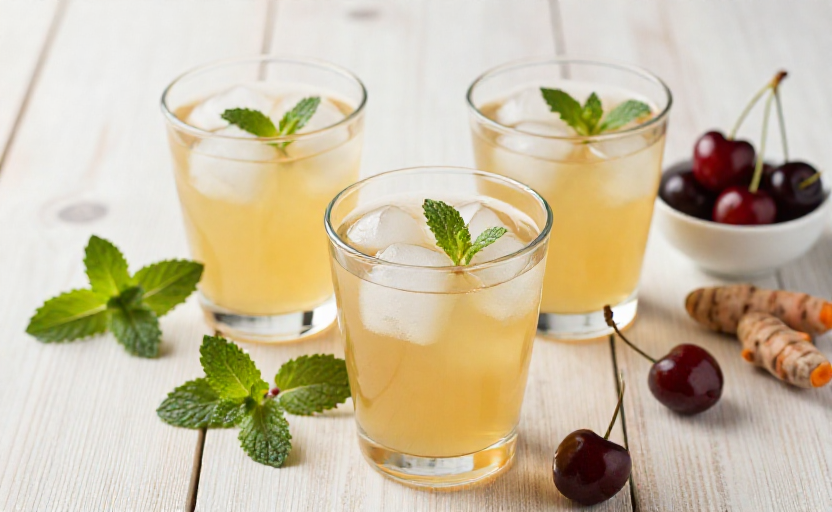
If you are navigating the menopause transition, you know that hot flashes are rarely just about feeling warm. You might feel a sudden wave of heat rising up your chest, followed by a slick of sweat on your neck or scalp. For many, this comes alongside disrupted sleep, irritability, and fatigue. While the drop in estrogen is a primary driver, inflammation also plays a substantial role in amplifying the intensity and frequency of these vasomotor symptoms.
Scientific research increasingly links higher levels of inflammatory markers to more severe hot flashes. The encouraging news is that you can influence your body's inflammatory response through diet—specifically, by choosing certain drinks that provide targeted plant compounds. Below are three evidence-backed anti-inflammatory beverages that may help take the edge off those internal temperature spikes. These are not a cure, but they are a soothing addition to a daily wellness routine that supports overall balance during menopause.
Why Inflammation Matters During Menopause
Before we get to the drinks, it helps to understand the connection. Estrogen has a natural anti-inflammatory effect on the body. As levels decline during perimenopause and menopause, the immune system can become more reactive, leading to a chronic low-grade inflammatory state. This inflammation can make the brain's temperature-regulating center (the hypothalamus) more sensitive, triggering hot flashes more easily. By choosing beverages rich in polyphenols, flavonoids, and other antioxidants, you are giving your body the tools it needs to calm that inflammatory response.
1. Cool Mint & Green Tea Infusion
Green tea is one of the most researched beverages for its anti-inflammatory effects. It contains a powerful catechin called epigallocatechin gallate (EGCG), which has been shown to lower markers of inflammation like C-reactive protein. For menopause, the challenge is that hot tea can actually trigger a flush in some women. The solution is a cool infusion.
Brew a cup of high-quality green tea using water that is around 175°F (not boiling) to avoid bitterness. Steep for two to three minutes, then remove the tea bag or leaves. Let it cool to room temperature, then pour it over ice. Add a generous handful of fresh mint leaves (or a few drops of peppermint essential oil). Mint itself has a cooling effect on the body and provides mild antispasmodic properties that can ease the tension that often accompanies a hot flash.
Sip this cold infusion slowly throughout the afternoon. The cooling temperature helps lower core body heat while the catechins work systemically to calm inflammation. If you are sensitive to caffeine, opt for a decaffeinated green tea to avoid any stimulant-triggered jitters.
A quick tip: Avoid adding sugar or honey. A slice of lemon or a splash of unsweetened pomegranate juice will add flavor and a boost of vitamin C without spiking blood sugar, which can itself trigger hot flashes.
2. Tart Cherry & Ginger Nightcap
Tart cherry juice is a standout for its high concentration of anthocyanins—the pigments that give the fruit its deep red color and potent anti-inflammatory activity. Studies indicate that tart cherry juice can reduce markers of oxidative stress and inflammation, potentially improving sleep duration and quality. Since night sweats are a common complaint, a drink that targets both inflammation and sleep makes sense.
Ginger complements cherries beautifully. Ginger contains gingerol, a bioactive compound with effects comparable to non-steroidal anti-inflammatory drugs, but without the side effects. Ginger also helps with digestion, which slows down in many women during menopause, reducing bloating and discomfort.
Combine two tablespoons of unsweetened tart cherry concentrate with six to eight ounces of water or sparkling water. Grate a one-inch piece of fresh ginger into the mix and let it steep for five minutes before straining. If you prefer a smooth texture, blend the mixture with a small amount of warm water to extract the ginger flavor, then chill. Drink this mixture about an hour before bed. The natural melatonin in tart cherries supports sleep, while ginger warms the core in a controlled way that helps the body transition to a cooler sleep state.
3. Golden Turmeric Iced Latte (with Black Pepper)
Turmeric is the gold standard for natural anti-inflammatories, thanks to curcumin. Curcumin has been shown to inhibit molecules like NF-kB, which trigger inflammation at the cellular level. The problem is that curcumin is poorly absorbed on its own. You need two things: black pepper (which contains piperine, boosting absorption by up to 2000%) and a fat source (curcumin is fat-soluble).
For a menopause-friendly iced latte, whisk together one teaspoon of ground turmeric, a pinch of black pepper, and one teaspoon of coconut oil or a splash of full-fat oat milk. Add a small amount of hot water to form a smooth paste, then fill the glass with ice and top with unsweetened almond milk or oat milk. If you like a hint of sweetness, add a few drops of stevia or a whisked date. Avoid honey or maple syrup as they can cause a sugar rush that triggers a heat surge.
Sipping this drink mid-morning can help stabilize your internal thermostat. The combination of anti-inflammatory turmeric, the cooling temperature of the latte, and the warming sensation of the spices creates a balanced effect that many women find calming.
What the Research Says
A 2022 review published in Menopause highlighted that dietary interventions rich in polyphenols—such as those found in green tea, cherries, and turmeric—show promising results in reducing the frequency and severity of hot flashes. While larger clinical trials are needed, the existing evidence is strong enough to recommend these foods and drinks as part of a comprehensive symptom management plan.
It is also worth noting that staying hydrated is critical. Dehydration can make your body more prone to heat spikes. These three drinks not only provide anti-inflammatory compounds but also contribute to total fluid intake, helping you stay cool from the inside out. If you experience hot flashes after spicy food, consider that ginger and black pepper are mild warming spices; if you find they aggravate your symptoms, reduce the amount or skip this particular drink.
Building a Routine That Works for You
Consistency matters more than intensity. You do not need to drink all three every day. Pick one that sounds appealing and fits your schedule. If you struggle with sleep, start with the tart cherry nightcap. If you need a midday reset, try the iced green tea. If you feel achy or stiff, the golden latte may help. Listen to your body: if a drink makes you feel warmer, dilute it with more ice or water.
These anti-inflammatory drinks work best as part of a broader lifestyle approach that includes regular exercise, stress management (high cortisol worsens hot flashes), and avoiding common triggers like alcohol, caffeine, and spicy meals. Consider them a supportive tool, not a standalone fix.
Other Ingredients to Keep in Mind
If you want to expand your options, consider adding flaxseed meal to smoothies (lignans have a mild estrogenic effect), or sipping on cinnamon tea (which helps regulate blood sugar). Blood sugar spikes are a known trigger for hot flashes in many women. Also, try to limit iced coffee with heavy cream—the high caffeine and saturated fat combination can be pro-inflammatory for some women.
Bottom line: Small, consistent shifts in what you drink can make a meaningful difference. These three options are easy to prepare, backed by science, and suitable to incorporate into your daily routine.