
When it comes to the delicate skin around your eyes, fine lines and crepiness often appear long before they show up anywhere else. The skin in this area is thinner, more prone to dehydration, and constantly in motion from blinking and facial expressions. While topical creams can help, what you put on your plate may matter just as much—if not more.
Healthy fats are some of the most powerful tools we have for maintaining skin elasticity and moisture. The right dietary fats help reinforce the skin barrier, reduce inflammation, and support collagen production. Here are three specific types of anti-aging fats that research suggests can help keep the skin around your eyes looking smoother and more resilient.
Omega-3 Fatty Acids: The Inflammation Tamer
Omega-3s are polyunsaturated fats that your body cannot produce on its own, so you must get them from food or supplements. They are especially important for the thin skin around the eyes because of their potent anti-inflammatory properties. Chronic low-grade inflammation breaks down collagen and elastin, the structural proteins that keep skin firm and plump.
EPA (eicosapentaenoic acid) and DHA (docosahexaenoic acid), the omega-3s found in fatty fish, help calm this inflammation and protect the skin matrix. One 2012 study in Nutrients noted that omega-3s can improve skin hydration and reduce roughness, which directly benefits the eye area. DHA also supports the cell membranes of skin cells, helping them hold onto moisture.
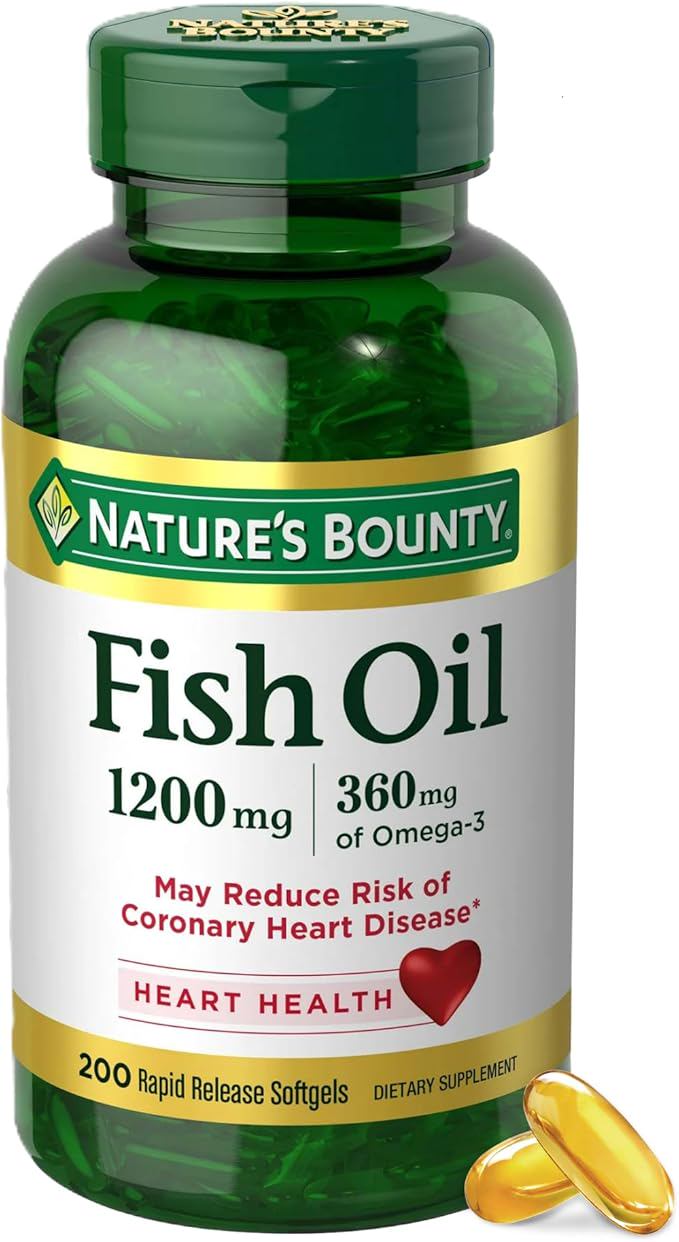
Where to find them: Salmon, mackerel, sardines, trout, and herring. If you do not eat fish, algae oil supplements provide DHA directly.
Monounsaturated Fats: The Deep Moisture Boost
Monounsaturated fats are the backbone of the Mediterranean diet, and they offer a unique advantage for the periorbital area. Oleic acid, the primary monounsaturated fat in olive oil and avocados, enhances the absorption of fat-soluble nutrients and helps maintain the skin barrier's lipid layer.
A compromised skin barrier leads to transepidermal water loss, which makes under-eye skin look dry, dull, and more lined. Monounsaturated fats help patch that barrier, locking hydration in and irritating environmental stressors out. A study in Experimental Dermatology found that dietary oleic acid significantly improved skin elasticity and reduced roughness.
Where to find them: Extra virgin olive oil, avocados, almonds, cashews, and peanut butter. Aim to include one or two servings of these with your meals daily.
Phytosterols and Plant-Based Fats: The Protective Shield
Beyond basic fatty acids, certain plant-based fats contain phytosterols—compounds that mimic cholesterol and help reinforce the skin's natural barrier. Nuts and seeds are particularly rich in these, along with vitamin E, a fat-soluble antioxidant that protects skin cells from UV damage and oxidative stress.
The eyes are constantly exposed to environmental aggressors like blue light and pollution. Phytosterols help calm the inflammatory response, while vitamin E neutralizes free radicals that would otherwise degrade collagen. A study in Skin Pharmacology and Physiology showed that phytosterols applied topically helped repair the barrier, and the same principle applies when consumed internally.
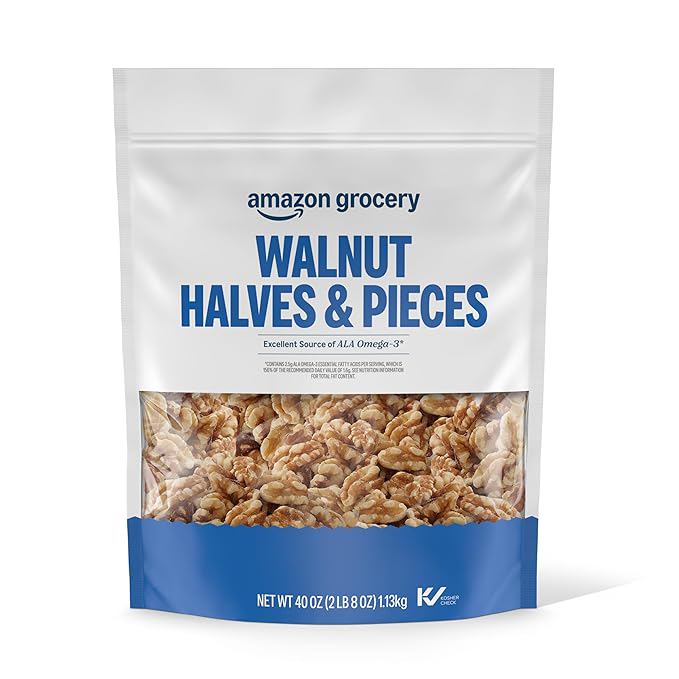
Where to find them: Walnuts, flaxseeds, chia seeds, pumpkin seeds, and almonds. A small handful of walnuts or a tablespoon of ground flaxseed daily can make a difference.
How to Combine These Fats for Best Results
You do not need to overhaul your entire diet overnight. The simplest approach is to layer these fats across your meals:
- Breakfast: Half an avocado on whole-grain toast, or a smoothie with flaxseed and frozen berries.
- Lunch: A salad with mixed greens, walnuts, and olive oil vinaigrette, plus a portion of grilled salmon.
- Snack: A handful of almonds and a few dark chocolate squares (which also contains healthy fats and antioxidants).
- Dinner: Roasted trout or mackerel with a side of sautéed spinach in olive oil.
Consistency matters more than quantity. Think of these fats as foundational building blocks for skin, not quick fixes—the benefits accumulate over weeks and months.
A simple shift: swap one processed snack per day for a handful of walnuts or an avocado. That single change adds omega-3s, phytosterols, and vitamin E to your routine without extra effort.
What About Supplements?
If you find it challenging to eat fatty fish or nuts regularly, supplements are a reasonable option. Fish oil or algae oil capsules provide concentrated omega-3s, while vitamin E supplements can support your antioxidant defenses. However, whole food sources offer a broader range of synergistic compounds. Always check with a healthcare professional before starting a new supplement regimen, especially if you take blood-thinning medication.
The Bigger Picture: Fat Quality Matters
Not all fats are created equal. Trans fats and hydrogenated oils trigger inflammation and accelerate skin aging—they are the opposite of what you want. Focus on minimally processed sources of fat, and pair them with plenty of water, fiber, and protein for overall skin health.
Smoother eye-area skin does not require expensive treatments or exotic ingredients. Prioritize these three families of fats—omega-3s, monounsaturated fats, and plant-based phytosterol-rich fats—and you will be giving your delicate under-eye skin the nutritional support it needs to stay supple, hydrated, and youthful.