
You might not think about your desk setup when you're lying in bed at night, but the way you sit during the day can directly affect how well you sleep and recover. Poor posture doesn't just cause back pain—it can disrupt your nervous system, restrict breathing, and keep your body in a low-level stress state long after you log off. Here are two clear warning signs that your workday posture is sabotaging your rest, and what you can do about it.
1. You wake up with a tight jaw or clenched teeth
If your jaw feels sore or your teeth are clenched when you wake up, your desk posture may be the culprit. When you hunch forward at your computer—rounding your shoulders and jutting your chin out—you create tension in the neck, shoulders, and jaw. This position compresses the suboccipital muscles at the base of your skull, which can irritate the trigeminal nerve. That irritation often carries over into the night as bruxism (teeth grinding) or clenching. Over time, this disrupts deep sleep stages and leaves you feeling unrefreshed.
A forward-head posture of even just a few degrees can increase strain on the cervical spine and related nerves—your body doesn't switch that tension off the moment you lie down.
2. You feel restless or have trouble falling asleep despite being tired
Another sign that your posture is affecting your recovery is a sense of physical restlessness at bedtime. Slouching during the day compresses your diaphragm and limits how deeply you can breathe. Shallow, chest-oriented breathing signals to your nervous system that you're under threat, keeping your sympathetic (fight-or-flight) response active. When you finally get into bed, your body may still be in that state, making it hard to settle down. You might also notice that your lower back aches or you can't find a comfortable position—both can trace back to hours of sitting with poor spinal alignment.
How poor sitting posture interferes with recovery
Your body repairs and restores itself primarily during deep sleep and slow-wave sleep. If you're in a state of low-grade physical stress because your muscles and joints are held in awkward positions all day, it's harder for your nervous system to transition into the parasympathetic (rest-and-digest) mode needed for quality sleep. Muscles that have been overworking to keep you upright will remain tight and hypertonic, which can trigger frequent micro-awakenings throughout the night. Even if you sleep for eight hours, the depth of that sleep can be shallow, reducing your recovery rate.
What to check at your desk
- Monitor height: The top third of your screen should be at or just below eye level so you don't drop your chin.
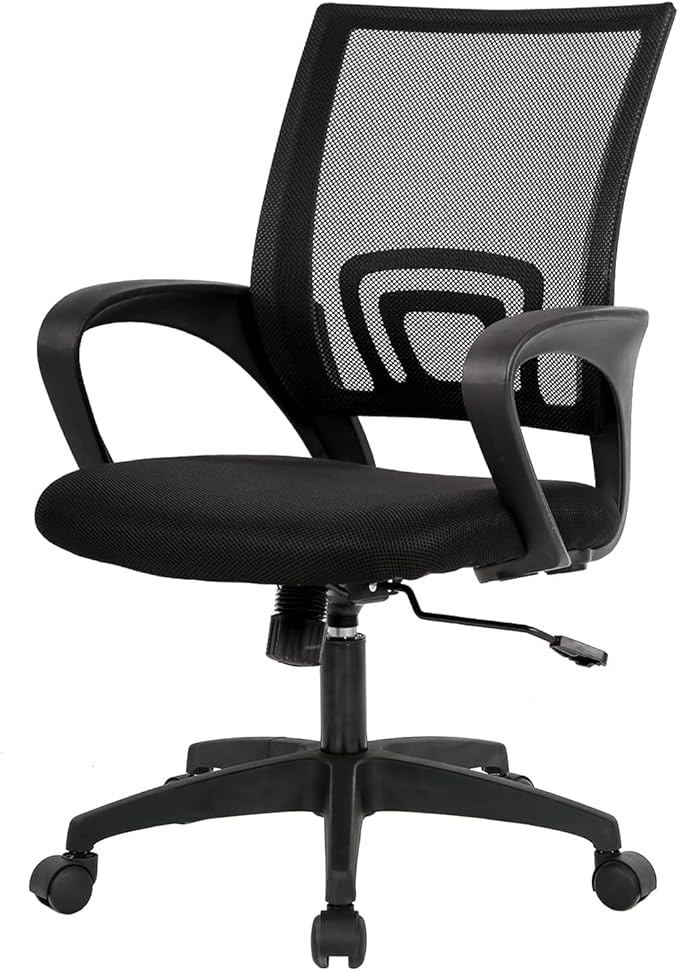
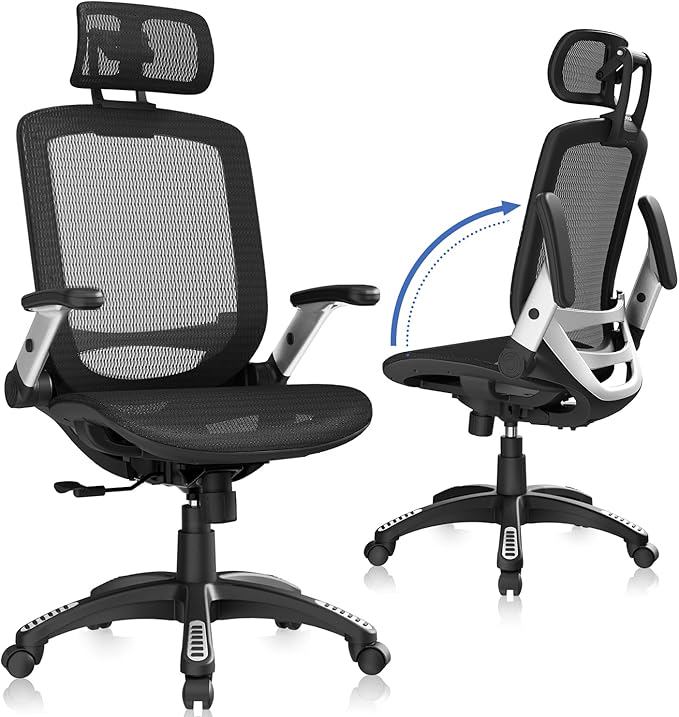
- Chair depth: Sit with your back against the chair; there should be two to three fingers of space between the back of your knees and the seat edge.
- Armrests: Elbows at 90 degrees, shoulders relaxed—not hunched up toward your ears.
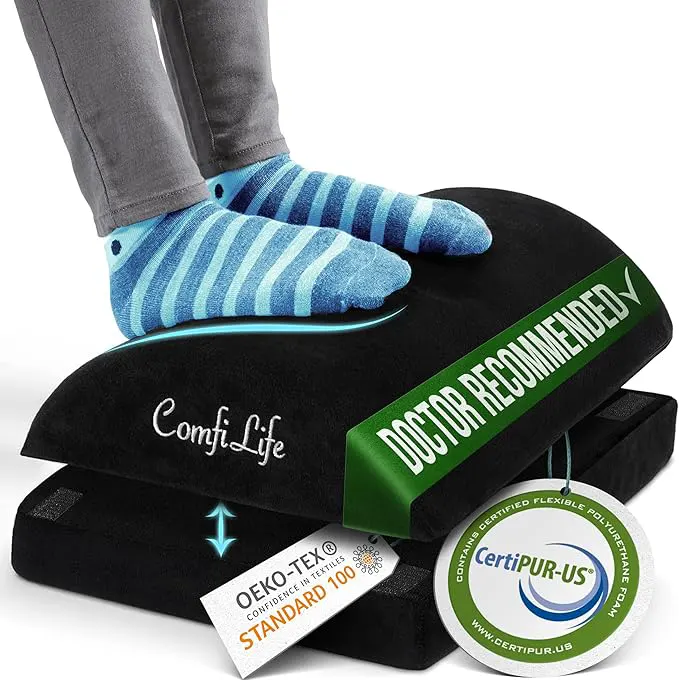
- Feet: Flat on the floor (or a footrest) so your knees are level with or just below your hips.
Simple corrective steps
If you already notice these warning signs, you don't need a complete office overhaul. Start with one or two small adjustments:
- Set a timer to stand and stretch your hip flexors and open your chest every 45 minutes.
- Try a "chin tuck" exercise several times a day—pull your chin straight back (like you're making a double chin) and hold for a few seconds to reset neck alignment.
- When you feel your shoulders rolling forward, roll them up, back, and down to open the chest and lower the shoulders away from your ears.
- Before bed, do a few minutes of diaphragmatic breathing (belly breaths) to shift your nervous system into a quieter state.
Your workday habits don't have to dictate your sleep quality. By recognizing the link between how you sit and how you rest, you can make small changes that support both your posture and your recovery. If you have persistent pain or sleep issues, consulting a physical therapist or an ergonomics specialist can provide personalized guidance.