That persistent scalp itch can drive anyone crazy, especially when you've already switched to sulfate-free shampoos, skipped the silicones, and invested in a whole new lineup of curly-hair products. But what if those carefully chosen bottles aren't the issue? Sometimes, the root cause of an itchy scalp lives in your kitchen, not your bathroom cabinet.
It's easy to assume a flaky, irritated scalp is a reaction to a new gel or cream. But when the itch refuses to quiet down, diet may be the hidden player. Your scalp's health reflects what's happening inside your body. When certain nutrients run low or when your system reacts to a food you're eating, the skin on your head often shows it first.
Here are two clear warning signs that the itching on your scalp may be linked to what you eat, not what you put on your curls.
Warning Sign #1: The Itch Is Accompanied by Dandruff That Doesn't Respond to Anti-Dandruff Shampoos
Dandruff is common in the curly community because scalp buildup can be tricky to rinse away. But if you've been using a medicated or clarifying shampoo and the flakes are still falling, look closer at your diet. A lack of certain nutrients can disrupt the scalp's natural barrier, making it prone to dryness, flaking, and irritation.
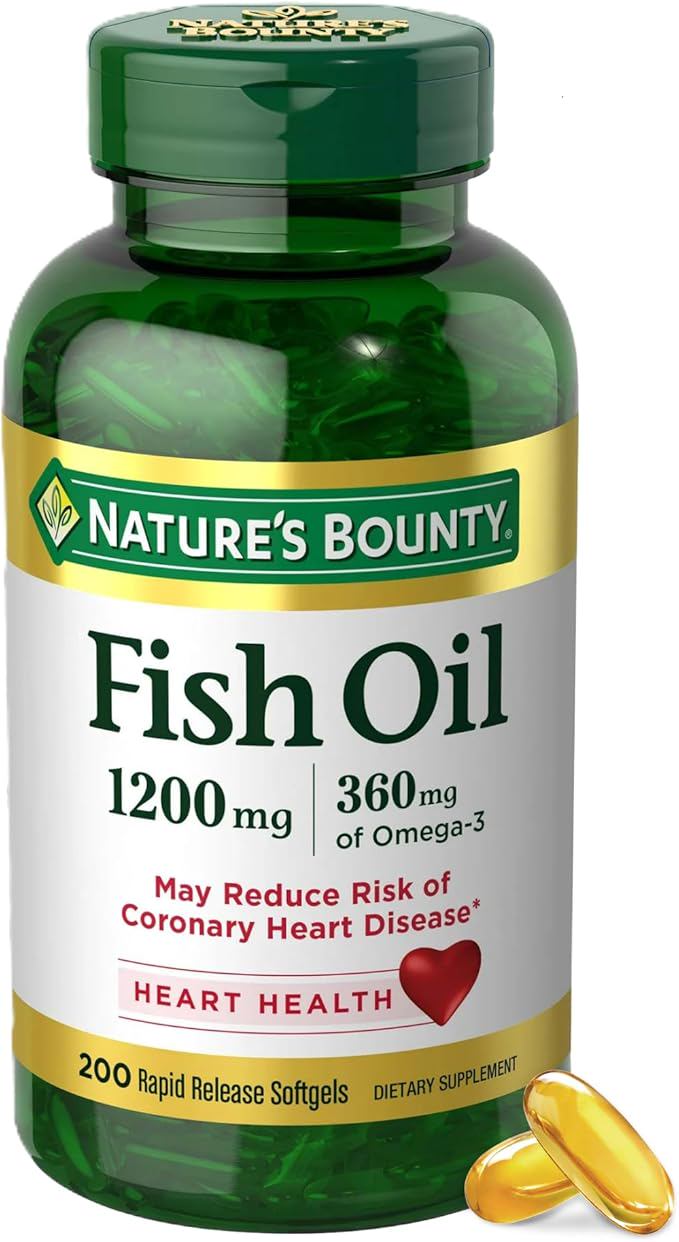
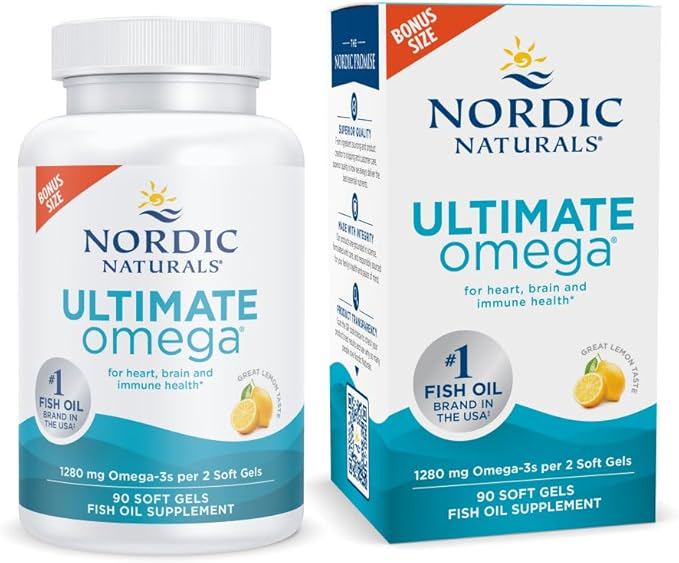
Zinc, B vitamins (especially biotin and B6), and omega-3 fatty acids all play a role in maintaining a healthy scalp. When these are missing, skin cells can turn over too quickly—or too slowly—creating that white or yellowish buildup. You might also notice that the flakes are greasy rather than dry, another sign of a dietary imbalance.
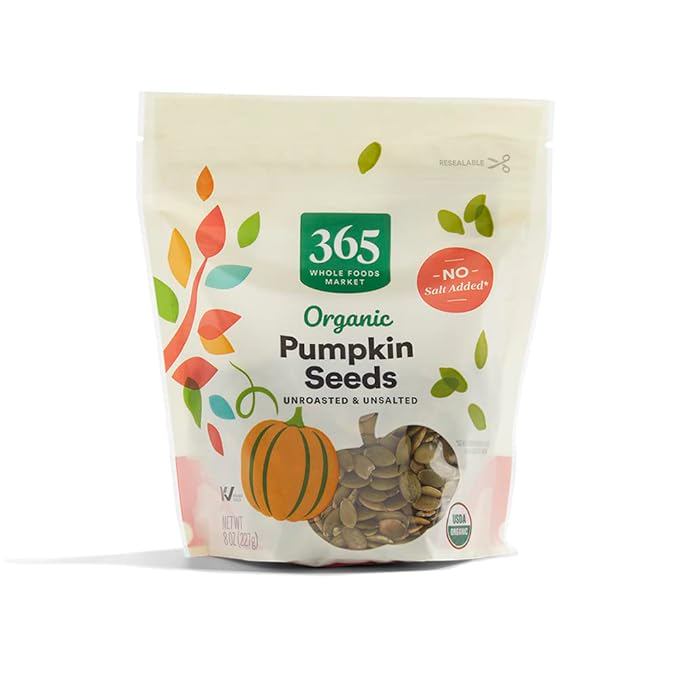
Instead of reaching for another bottle, try adding more zinc-rich foods like pumpkin seeds and chickpeas, or omega-3 sources like walnuts and chia seeds. If your scalp improves after a few weeks of focusing on these foods, you've likely found the culprit.
Warning Sign #2: The Itch Worsens After You Eat Certain Meals
This one is more direct. If you notice your scalp tingling, burning, or itching within a few hours of eating—especially after a meal heavy in sugar, dairy, or processed foods—your diet is almost certainly involved. For some people, dairy is the trigger. For others, high-glycemic carbs (think white bread and sugary snacks) spike insulin, which can ramp up oil production and feed yeast on the scalp.
Curly hair products are often used to manage moisture and frizz, and most contain ingredients that are well-tolerated. If you've ruled out product sensitivity by doing a patch test or trying a simplified routine, and the itch still flares after meals, it's time to look at your plate.
Try keeping a simple food-scalp diary for one week. Write down what you ate for lunch and dinner, and note when your scalp feels irritated. Patterns will emerge. For many people, cutting back on sugar and increasing anti-inflammatory foods like leafy greens and berries reduces the itching noticeably within days.
Is It Really the Products? A Quick Check
Before you overhaul your diet, make sure you're not dealing with a product problem. Curly-hair routines often involve heavy creams, butters, and oils that can sit on the scalp and trap bacteria or fungi. If your scalp itch is paired with small bumps that look like pimples, or if you smell a sour or yeasty odor near your roots, the products you're using may need a deeper cleanse.
But if your scalp looks clean, your products are simple, and you've been washing your hair on a schedule that matches your texture—and the itch still lingers—diet is the next logical suspect.
What You Can Do About Diet-Related Scalp Itch
Start with hydration. Dehydration dries out skin cells and can make an itchy scalp feel worse. Drink water consistently throughout the day, and eat foods with high water content like cucumbers, oranges, and watermelon.
Next, look at your fat intake. Healthy fats help maintain the skin's moisture barrier. A handful of walnuts, a tablespoon of flaxseed oil in a smoothie, or a few slices of avocado can make a real difference for scalp comfort.
Finally, reduce inflammatory triggers. Common culprits include added sugar, excessive dairy, and refined grains. You don't have to eliminate them forever, but try a two-week reset where you prioritize whole foods, lean protein, vegetables, and healthy fats. If the itching subsides, you'll know your diet was the link.
It's worth remembering that scalp itch can also stem from stress, hormonal changes, or environmental factors like hard water. But when your curly-hair routine is solid and the itch won't quit, take a long look at your meals. Sometimes the simplest change—a more nutrient-dense diet—is what finally gives your scalp the peace it deserves.