Hair dye can be a confidence boost, but sometimes your scalp sends a clear signal that it’s not happy with the chemicals. Most of the time, a little irritation fades fast. But two specific warning signs mean you should take the color off your skin and pay attention before your next application.
Warning Sign #1: Persistent Itching That Lingers
It’s normal to feel a slight tingle or warmth during a dye session. But if your scalp continues to itch hours or even days after you’ve rinsed out the color, that’s a red flag. An itch that won’t quit—especially when it’s concentrated on the crown, hairline, or behind the ears—often points to an allergic contact dermatitis reaction.
The culprit is usually para-phenylenediamine (PPD), a common ingredient in permanent and demi-permanent dyes. PPD is a known sensitizer; the more often you’re exposed, the more likely your immune system will start treating it as an invader. When that happens, histamine floods the area, and you get the urge to scratch.
Scratching makes things worse: it damages the skin barrier, opens the door to bacteria, and can even lead to temporary hair thinning in the irritated spots.
If the itch is accompanied by a burning sensation or warmth that doesn’t fade within 24 hours, stop using that dye formula and do a patch test before any future color application.
Warning Sign #2: Redness, Flaking, or Weeping Patches
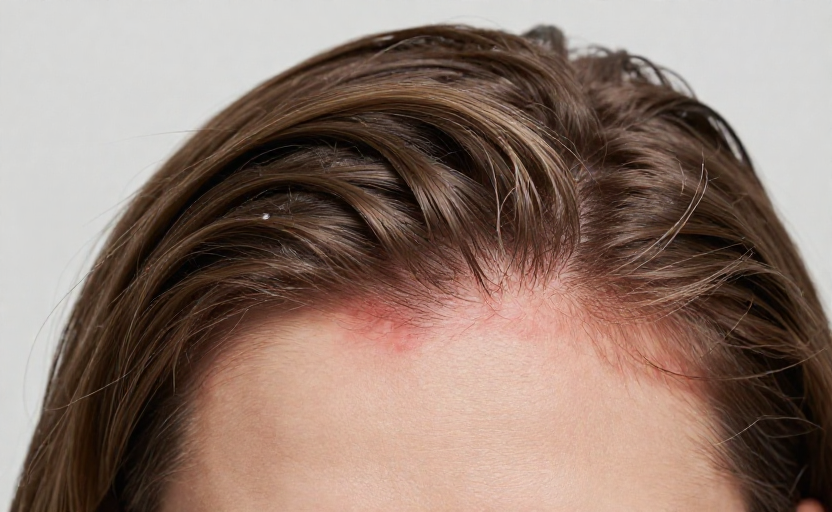
Where there’s itching, redness often follows. But not all redness is the same. A mild flush that fades after a rinse is one thing. A bright red, warm, or swollen patch that develops a day or two after coloring is another.
Look closely: is the skin dry, flaky, or peeling? Do you see tiny blisters, bumps, or any moisture (weeping)? These are signs of a delayed hypersensitivity reaction, which can peak 48 to 72 hours after exposure. In severe cases, the reaction can spread beyond the scalp to the ears, eyelids, and neck.
This type of reaction is not caused by a single ingredient every time. Besides PPD, other common triggers include ammonia, resorcinol, and certain preservatives like methylisothiazolinone. Even “natural” or “herbal” dyes can cause reactions if they contain henna mixed with PPD or other metallic salts.
What to do if you see redness or weeping
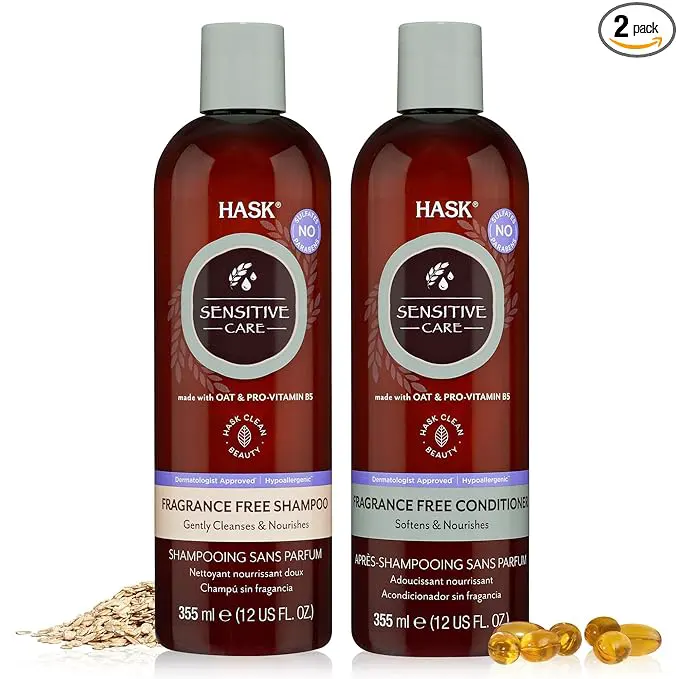
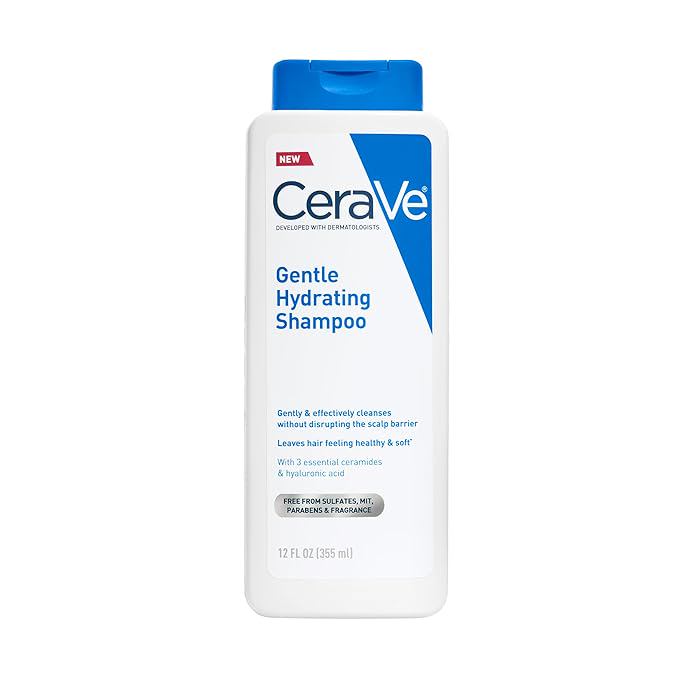
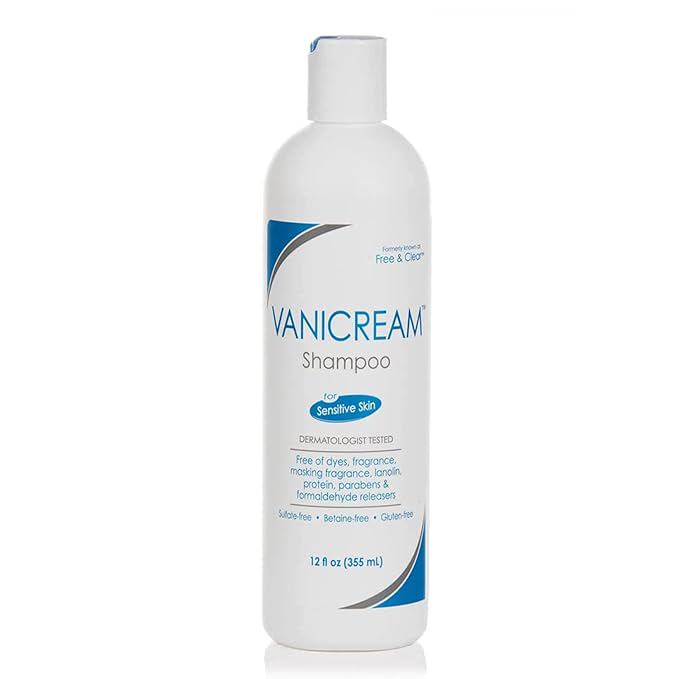
- Rinse immediately with lukewarm water and a mild, fragrance-free shampoo.
- Avoid scratching or picking at flaking skin. This can introduce bacteria and worsen inflammation.
- Apply a cool compress to soothe the area for 10–15 minutes as needed.
- Skip any styling products, hair sprays, or oils until the skin has healed.
- See a dermatologist if the redness spreads, blisters appear, or the reaction doesn’t improve within a few days.
Why the scalp is especially vulnerable
The scalp has a rich blood supply and plenty of hair follicles, which means chemicals are absorbed more readily here than on, say, your forearm. Add to that the fact that many people leave dye on for 30–45 minutes, and you’ve got prolonged exposure in a highly absorbent area. This is why a reaction on the scalp can be more intense than a reaction on the skin of your hands or neck.
Patch testing: your best prevention
A proper patch test is the single most reliable way to avoid a full-blown reaction. Apply a small amount of the mixed dye (about the size of a pea) behind your ear or on the inner bend of your elbow. Leave it on for the same amount of time as your regular dye session, then rinse. Wait 48 to 72 hours. If no redness, itching, or swelling appears, the formula is likely safe for you to use.
Even if you’ve used a particular brand for years, formula changes or cumulative sensitization can cause a reaction at any time. Make patch testing a habit before every new box or salon visit.
When to see a doctor
Most scalp reactions are manageable at home. But you should seek medical advice if:
- The redness and itching spread beyond your scalp.
- You develop oozing blisters or crusting.
- You feel lightheaded, have trouble breathing, or notice swelling in your face or throat (these are signs of a severe allergic reaction that requires emergency care).
- The reaction doesn’t improve after a week of gentle care.
A dermatologist can perform a patch test to identify exactly which ingredients you’re reacting to, helping you choose a safer formula for the future.
Can you still color your hair after a reaction?
Yes, but you need to be careful. Many people who react to PPD can safely use dyes that contain para-toluenediamine (PTD), which has a lower sensitization rate. Others switch to vegetable-based dyes (like pure henna or indigo) or temporary/fashion colors that don’t require oxidation. A patch test is non-negotiable with any alternative.
Above all, listen to your scalp. An itch or a red spot is not “just part of the process.” It’s a signal. Respect it, and you’ll keep your hair—and your health—in better shape.