An oily scalp can feel like a constant battle. You wash your hair, and within hours, it feels slick and heavy again. The instinctive response is to attack the oil—stripping it away with harsh shampoos, washing more frequently, or avoiding any product that hints at moisture. But what if that approach is making the problem worse? Sometimes, what presents as an oily scalp is actually a dehydrated one, crying out for balance, not punishment.
It’s a common skin paradox: dehydration can trigger excess oil production. When your scalp is stripped of its natural moisture, it can go into overdrive, pumping out more sebum in a frantic attempt to lubricate and protect itself. The result is a frustrating cycle of oiliness and dryness happening simultaneously. Recognizing the difference is the first step toward a healthier scalp and better hair days.
How can a scalp be both oily and dehydrated?
Think of your scalp as an extension of the skin on your face. Just as combination skin can have oily zones and dry patches, your scalp can experience a similar imbalance. Sebum (oil) production is regulated by hormones and genetics, while hydration is about the water content in your skin cells. It’s entirely possible for your scalp to overproduce oil while its skin barrier is compromised and lacking water.
This state is often called ‘dehydrated oily.’ The surface feels greasy, but the skin underneath is tight, irritated, or flaky. It’s a sign that the scalp’s natural microbiome and moisture barrier are out of sync, usually from overwashing, using overly astringent products, environmental factors, or even hard water.
The two warning signs your oily scalp needs hydration
If you’re stuck in a cycle of frequent washing and persistent oiliness, look beyond the shine. These two specific signs suggest your scalp isn’t just oily—it’s thirsty.
1. Your hair gets oily quickly, but your scalp feels tight or itchy
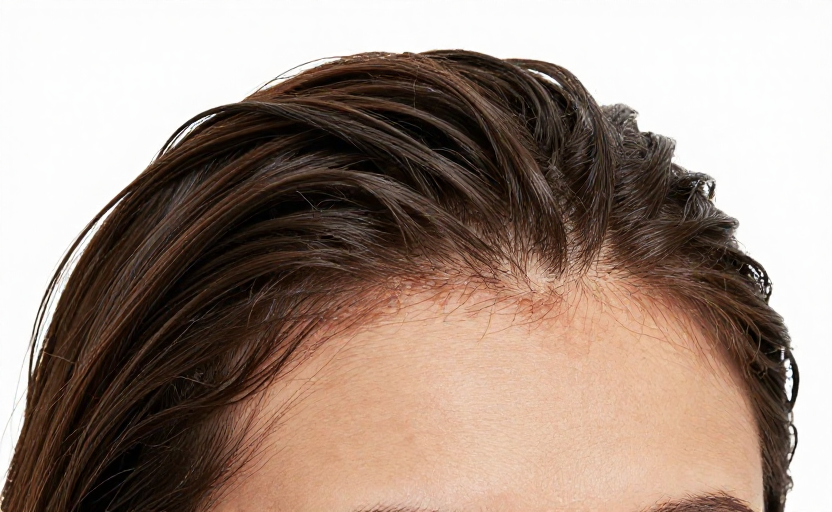
This is the hallmark of dehydration. You notice grease at your roots mere hours after washing, which points to active sebum production. But when you touch your scalp or move your hair, the skin itself doesn’t feel supple or comfortable. It might feel taut, slightly sensitive, or have a persistent, low-level itch. That itch isn’t from oil; it’s from irritation and a lack of moisture in the skin barrier. The oil is sitting on top of a distressed surface.
If your immediate response to oil is to scrub it away, you might be stripping essential moisture and perpetuating the cycle.
2. You see both grease and flakiness
Dandruff isn’t always dry. A telltale sign of a dehydrated, oily scalp is the presence of both slick oil and small, dry-looking flakes. These flakes are often different from the larger, oil-clumped flakes associated with seborrheic dermatitis. They’re typically smaller, whiter, and appear against an oily backdrop. This happens because the dehydrated skin cells on your scalp are turning over and shedding erratically, mixing with the excess sebum. It’s a clear signal that the scalp’s environment is unbalanced.
How to rebalance a dehydrated, oily scalp
Shifting your routine from ‘oil-stripping’ to ‘balance-restoring’ is key. The goal is to gently cleanse without over-drying, and to provide lightweight hydration that signals to your scalp it can ease up on sebum production.
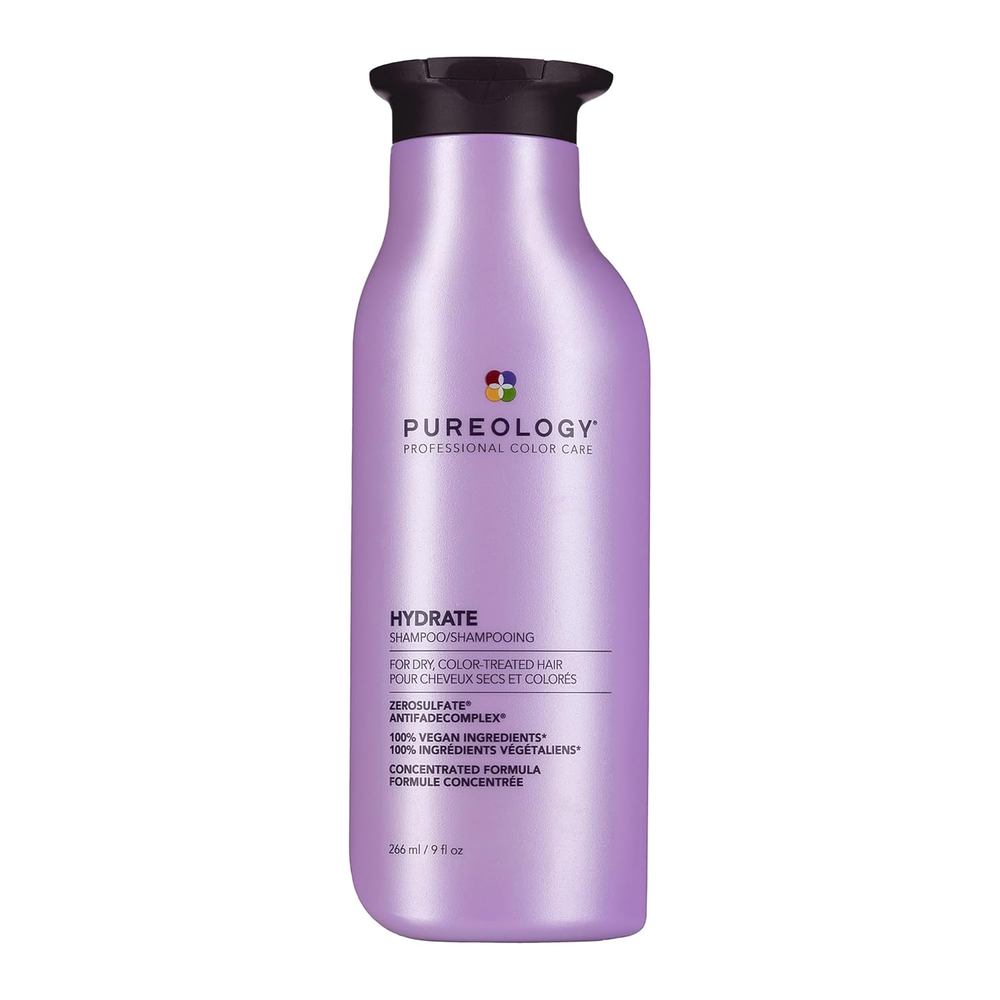
Re-evaluate your wash routine: Counterintuitively, washing less often can help. Try stretching time between washes with dry shampoo, or switch to a gentle, sulfate-free cleanser. Sulfates are excellent at degreasing, but they can be too effective, stripping the barrier. A milder wash may not give that squeaky-clean feel, but it allows your scalp’s natural balance to recover.
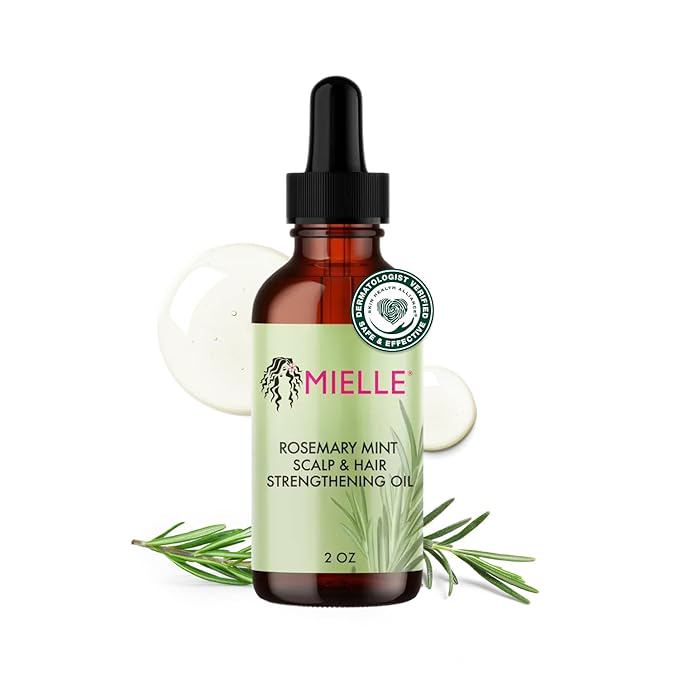
Incorporate a scalp treatment: Once or twice a week, use a lightweight, hydrating treatment. Look for formulas with hyaluronic acid, aloe vera, or niacinamide—ingredients known for attracting and holding moisture without heaviness. Apply directly to your scalp, leave on for 5-10 minutes, then rinse and follow with your gentle shampoo.
Rinse with cool water: Finish your wash with a cool water rinse. It helps soothe the scalp and close the cuticle, reducing irritation and frizz.
Be mindful of styling: Avoid applying heavy conditioners, oils, or styling products directly to your roots. Focus hydration from the mid-lengths to the ends of your hair.
What to avoid
While you rebalance, steer clear of habits that exacerbate dehydration:
- Overusing clarifying shampoos: Reserve these potent cleansers for once a week or less.
- Scalp scrubs with harsh granules: If your scalp is itchy and irritated, physical exfoliation can cause micro-tears. Opt for chemical exfoliants like salicylic acid, which can gently clear flakes and oil from pores.
- Hot water washes: High heat is drying and can stimulate more oil production.
Listening to your scalp requires a subtle shift in perspective. Grease isn’t always the enemy; sometimes, it’s a misguided cry for help. By addressing the underlying dehydration with a gentler, more hydrating approach, you can break the cycle and encourage your scalp to find its natural, healthy equilibrium.