
Noticing a few extra strands in your brush or a slight change in your hair’s texture can be unsettling. Often, these subtle shifts are dismissed as temporary stress or seasonal shedding. But sometimes, they’re your hair’s way of signaling that your current care routine isn’t meeting its needs. Recognizing the difference between normal fluctuation and a sign for change is the first step toward healthier hair.
Hair thinning is a complex process influenced by genetics, nutrition, hormones, and daily care. While some factors require medical attention, others are directly within your control through the products and habits you adopt. The goal isn’t to chase a miracle cure, but to learn to read the signals your scalp and hair are sending, and respond with thoughtful, supportive care.
When is thinning more than just normal shedding?
It’s completely normal to lose between 50 to 100 hairs a day. You might see this during washing or brushing. The concern arises when the balance tips—when you’re losing more hair than is being regenerated, or when the new hair grows in finer. Two specific warning signs often point to a routine that needs reevaluation, beyond just the count of hairs in the drain.
1. Your hair feels weaker and more brittle
This isn’t just about dryness. You might notice your hair breaks easily when you run your fingers through it or when you gently pull on a strand. The ends may feel rough and look frayed, even shortly after a trim. This increased fragility often suggests that the hair’s protective outer layer, the cuticle, is damaged. When the cuticle is compromised, the inner cortex is exposed, leading to weakness and breakage before the hair reaches its full length.
Breakage at the mid-shaft or ends, rather than shedding from the root, is a classic sign of routine-induced stress.
Common culprits behind this kind of damage include excessive heat styling without proper protection, harsh chemical treatments too close together, rough towel-drying, or using hair ties that snag and pull. If your hair has lost its resilience, it’s a clear sign that your routine needs to shift toward more protective, strengthening practices.
2. Your scalp feels different
Healthy hair starts at the scalp. Pay attention to how it feels. Is it consistently itchy, flaky, or oily in a way it wasn’t before? Do you notice more sensitivity or redness? These changes can indicate that your scalp’s environment is out of balance. Product buildup can clog follicles, while harsh cleansers can strip away natural oils, leading to a cycle of overproduction and irritation. An unhappy scalp is an inefficient one, potentially struggling to support robust hair growth.
This sign asks you to audit what comes into direct contact with your scalp. Is your shampoo too stripping? Are you rinsing conditioner thoroughly? Have you introduced a new product that might be causing irritation? A change here often involves simplifying your approach and choosing gentler, more nourishing formulations.
How to thoughtfully change your routine
Once you’ve identified a warning sign, the next step is a gradual, mindful shift in your habits. Drastic overhauls can sometimes cause more stress. Focus on introducing one or two supportive changes at a time.
Start by evaluating your cleansing. If your scalp is oily or you use a lot of styling products, you might need a clarifying wash once a week to remove buildup, followed by a gentle, moisturizing shampoo for other washes. For dry, itchy scalps, a shampoo with soothing ingredients like aloe or chamomile can help restore comfort.
Next, consider your conditioning and treatment steps. Integrating a weekly pre-wash oil treatment can be a game-changer for both scalp health and hair strength. Natural oils like coconut, argan, or jojoba can help moisturize the scalp, reduce protein loss from the hair shaft, and add a protective layer.
For a supportive scalp treatment, you might warm a few tablespoons of coconut oil and gently massage it into your scalp for 5-10 minutes before shampooing. This can improve circulation, loosen dead skin, and deliver moisture. You can also infuse the oil with other gentle, nutrient-rich botanicals for added benefit:
- For nourishment: A handful of dried curry leaves, rich in antioxidants and amino acids, can be warmed in coconut oil, then strained after cooling. The resulting oil may help strengthen the hair follicle.
- For conditioning: Dried hibiscus flowers, known for their richness in vitamins, can be infused in warm coconut oil. Once cooled and strained, the oil may help add shine and manageability to hair.
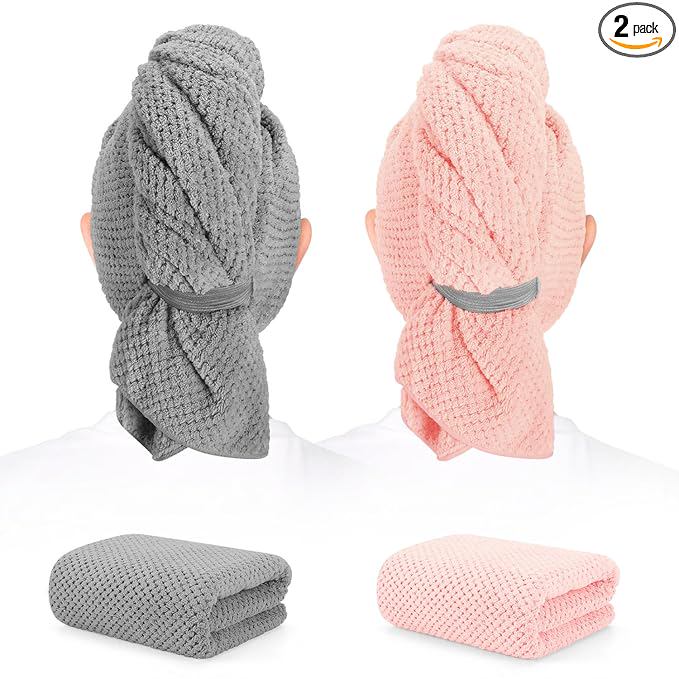
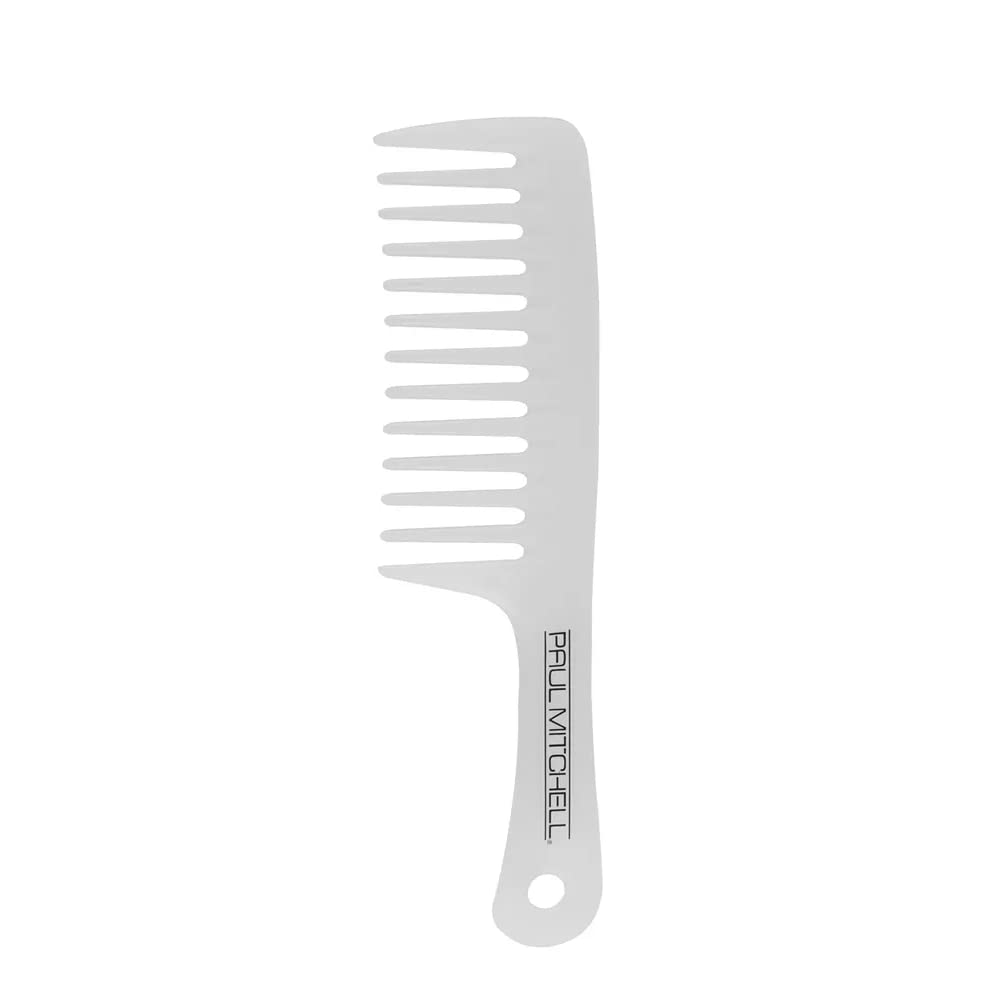
Beyond products, handle your hair with more care. Swap rough cotton towels for a soft microfiber towel or an old t-shirt to dry your hair. Detangle with a wide-tooth comb on damp hair, starting from the ends and working up. Protect your hair at night with a silk or satin pillowcase to reduce friction.
When to seek a professional opinion
Changing your routine is a powerful first response, but it’s not a substitute for professional medical advice. If your thinning is sudden, rapid, or accompanied by other symptoms like pain, burning, or bald patches, it’s essential to consult a dermatologist or trichologist. They can help rule out underlying medical conditions such as hormonal imbalances, thyroid issues, or autoimmune conditions that require specific treatment.
Think of your hair care routine as a form of ongoing support. By learning to recognize the early warning signs of thinning and responding with kinder, more targeted care, you’re not just addressing symptoms—you’re building a foundation for healthier, more resilient hair in the long term.