Fine hair has a reputation for frizzing at the first hint of moisture in the air. Humidity is often the default suspect, but what if your go-to anti-frizz serum isn't working because the real problem isn't atmospheric? For many women with fine or thinning strands, chronic frizz is actually a signal from the body that something is off internally, often related to diet.
When the hair shaft lacks essential fatty acids, protein, or key micronutrients, the cuticle lifts and allows moisture to escape and external humidity to penetrate unevenly. The result looks like frizz, but the root cause is structural weakness, not weather. Here are two specific warning signs that your fine hair frizz is a diet issue, not a humidity problem.
Warning Sign 1: Persistent Dryness That Feels Stiff, Not Soft
Humidity frizz usually makes hair feel puffy or slightly damp. Diet-related frizz often feels dry, rough, or straw-like to the touch. If your fine hair is frizzy and brittle regardless of the season or indoors, you may be low on essential fatty acids, particularly omega-3s. These fats are the building blocks of sebum, the scalp's natural conditioner. Without enough of them, the hair shaft remains under-lubricated and the cuticle lifts.
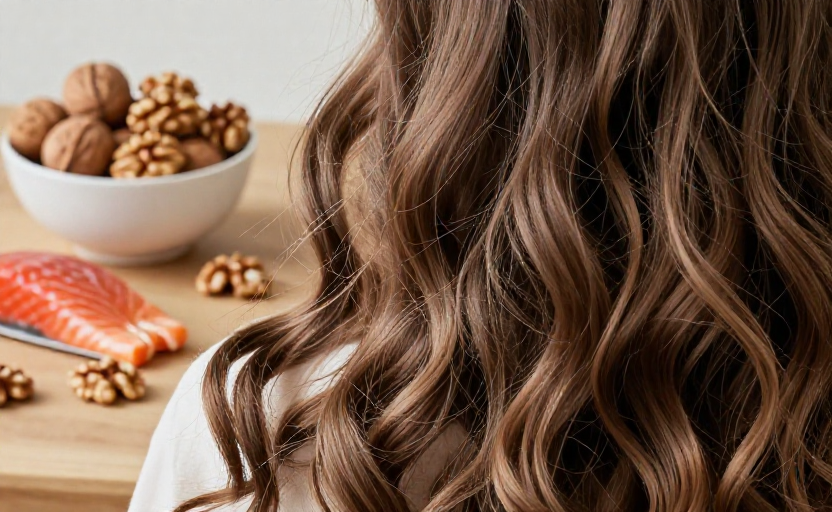
What to look for: Hair that feels tangled easily, looks dull, and doesn't hold moisture from leave-in products well. You may also notice dry skin on your scalp or cuticles. This type of frizz doesn't go away when you use a humidifier or anti-humidity spray. It's a sign your body needs more healthy fats from sources like wild-caught fish, walnuts, chia seeds, or flaxseeds. A simple omega-3 supplement such as fish oil or algae oil can help, but dietary sources are key for long-term improvement.
Warning Sign 2: Frizz Accompanied by Visible Thinning or Increased Shedding
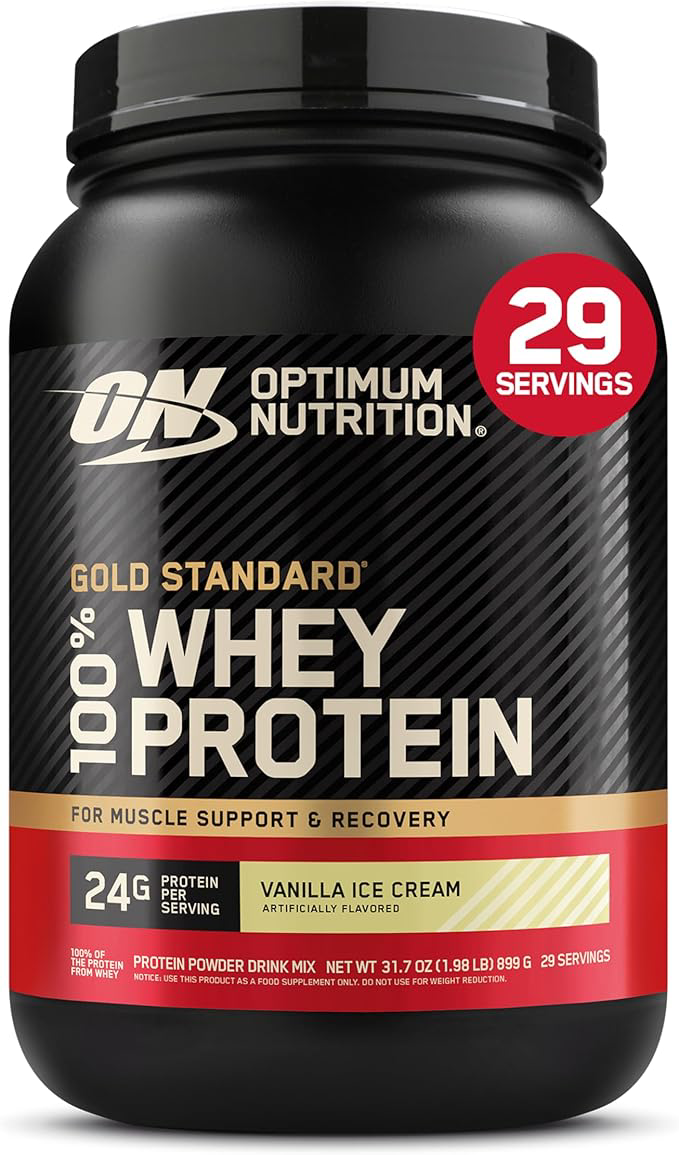
Fine hair naturally sheds, but if you notice that frizz has coincided with more hair in the shower drain or a wider part, this strongly suggests a nutritional gap. The most common culprit is insufficient protein or iron. Hair is nearly all protein (keratin). When dietary protein is low, the body prioritizes vital organs over hair growth, so the hair that does grow is weaker, finer, and more prone to frizz.
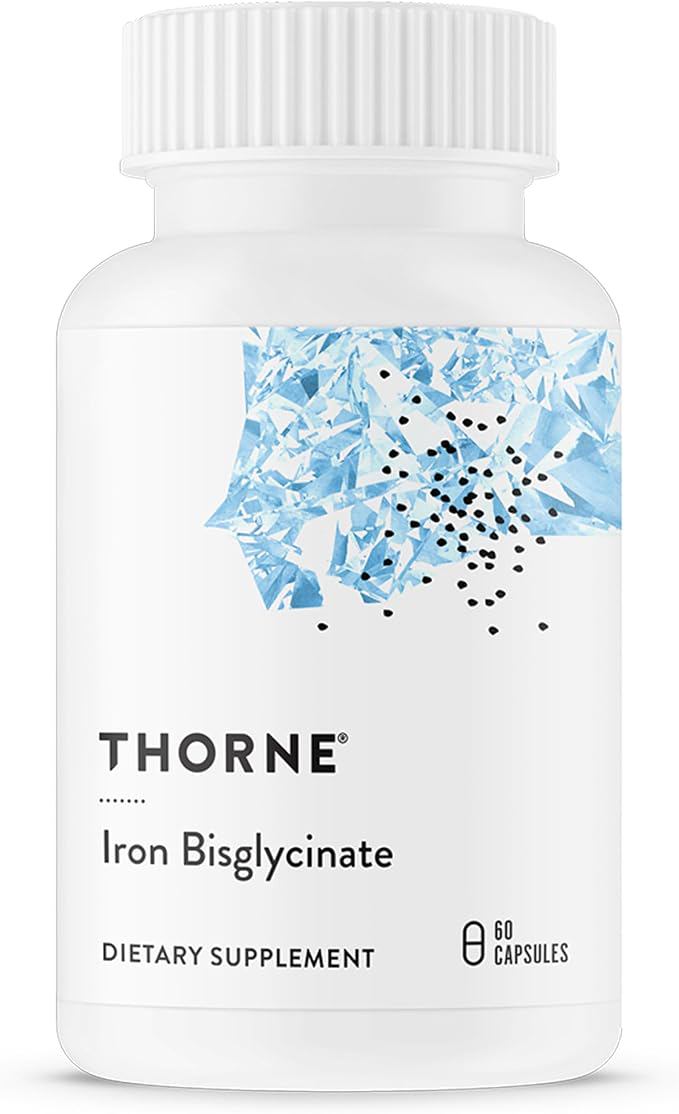
One small study found that women with chronic telogen effluvium (excess shedding) had significantly lower serum ferritin levels than those with normal hair density. If your frizz is new and shedding is up, ask your doctor for a ferritin and iron panel.
What to look for: Frizz concentrated on the top layers or crown, plus hair that seems to break off easily at the ends. You might also feel tired, have brittle nails, or crave ice. Increasing lean protein such as eggs, poultry, legumes, and tofu, along with iron-rich foods like spinach and lentils, can support healthier regrowth. Vitamin C helps iron absorption, so pair sources with citrus or bell peppers.
If neither humidity nor a product switch resolves your frizz, pay attention to these two signals. Your hair is literally telling you it needs more raw materials to build strong, sleek strands. Small dietary adjustments can take a few months to show up in new growth, but the overall health of your hair—and its resistance to frizz—will improve when those internal gaps are filled.