
If your scalp has been feeling tight, itchy, or tender lately—even when your hair looks fine—there is a good chance that something in your everyday routine is causing the reaction. Sensitive scalp is not always dramatic. You do not always see redness or flakes right away. The irritation builds quietly, triggered by small habits we assume are harmless.
Most of us focus on whether our hair is shiny or strong. But the skin underneath has its own needs, and it often gives us quiet clues before a bigger problem shows up. Here are two warning signs that suggest your daily routine might be irritating a sensitive scalp—and what you can do to ease the discomfort.
Persistent itching that does not go away after washing
Occasional itching happens to everyone. But if your scalp continues to feel prickly or bothered even after you have washed and dried your hair, the cause is likely external—something you are applying or doing every day.
Hair products that contain sulfates, strong fragrances, or drying alcohols can strip the scalp of its natural protective barrier. A 2014 study in the International Journal of Trichology noted that many conventional shampoos contain harsh detergents and alkaline pH levels that disrupt the scalp’s delicate surface. This leaves the skin feeling tight and irritated, which often shows up as a nagging itch that comes and goes throughout the day.
Heat styling can also play a role. When you use a blow-dryer or curling iron on a high setting, the hot air hits your scalp directly. Even if you think you are avoiding contact, the heat radiates. The same study from the Annals of Dermatology found that hair surfaces become rougher and drier as temperatures increase. The scalp is no different—it can become red, sensitive, and itchy when exposed to heat too often.
If you notice that the itch intensifies after using a particular shampoo, conditioner, or styling product—or after a blow-dry session—that product is likely the culprit. Try switching to a gentle, fragrance-free cleanser designed for sensitive skin and lowering the heat setting on your tools for a week to see if the itch fades.
Dryness and flaking that return quickly after washing
A second clear sign is a scalp that feels dry or flaky soon after you shampoo. Many people assume this means dandruff and reach for a dandruff shampoo. But if your scalp is actually sensitive, those strong medicated formulas can make the problem worse by stripping away the natural oils that keep the skin balanced.
Dryness and flaking often appear because the scalp’s moisture barrier has been compromised. This can happen from daily over-washing, using hot water, or applying products that contain high levels of alcohol. When the barrier is weak, the skin loses water faster, leading to visible flakes and a tight feeling.
Another overlooked cause is the buildup of heavy conditioners, dry shampoos, and styling creams. These ingredients sit on the scalp, blocking pores and trapping residue. Even if you wash regularly, certain silicones or waxes do not fully rinse out. Over time, this buildup creates a dull, crusty layer that irritates the skin underneath.
If you notice flakes appearing again within a day or two of washing—especially if they are fine and white rather than oily and yellow—the issue is more likely sensitivity than classic dandruff. A mild, sulfate-free shampoo used less frequently, combined with lukewarm water and a lightweight conditioner applied only to the ends, can help restore calm.
What you can adjust in your daily routine
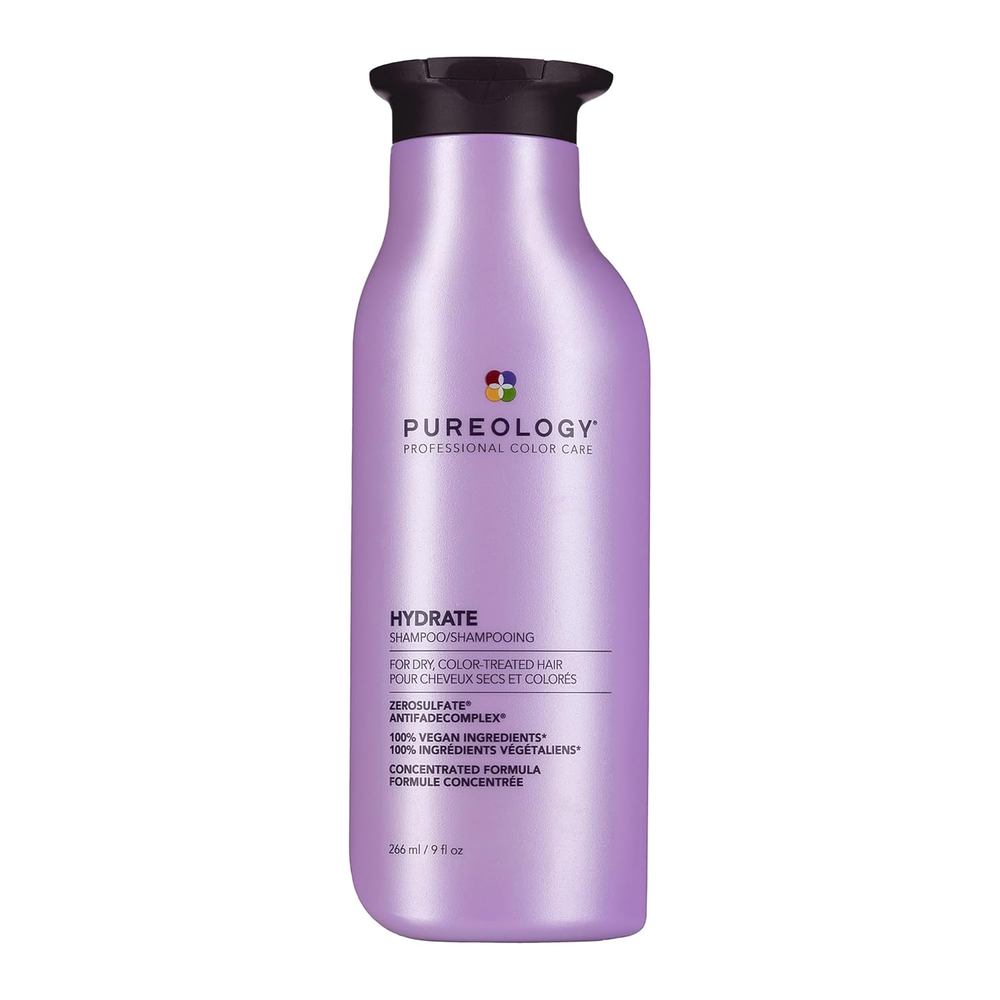
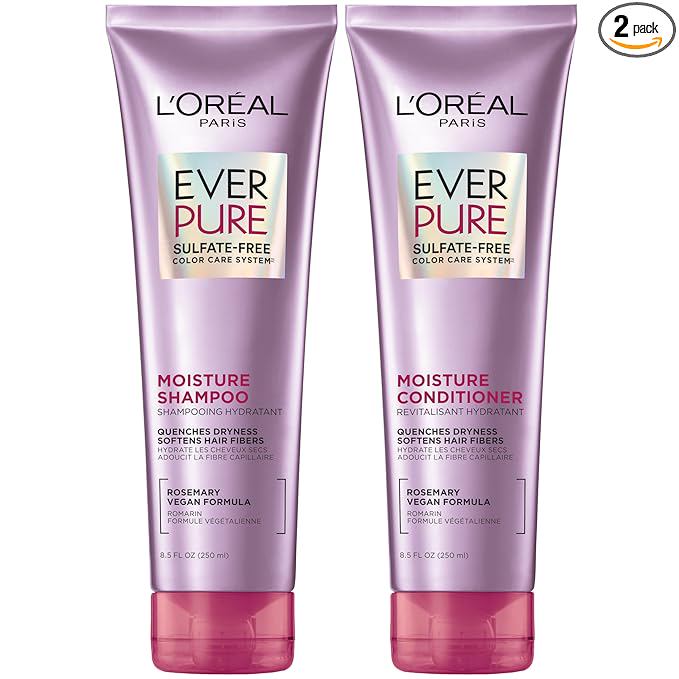
Once you have identified one or both of these signs, the next step is to look at the small habits in your routine that may be causing the irritation. Start with your shampoo. Choose one that is labeled sulfate-free and free of synthetic fragrances. Wash no more than every other day unless you sweat heavily or produce a lot of oil.
Check your water temperature. Hot water feels relaxing, but it strips natural oils from the scalp. Rinse with lukewarm water instead. If you use a blow-dryer, keep it on the lowest heat setting and hold it at least six inches away from your scalp.
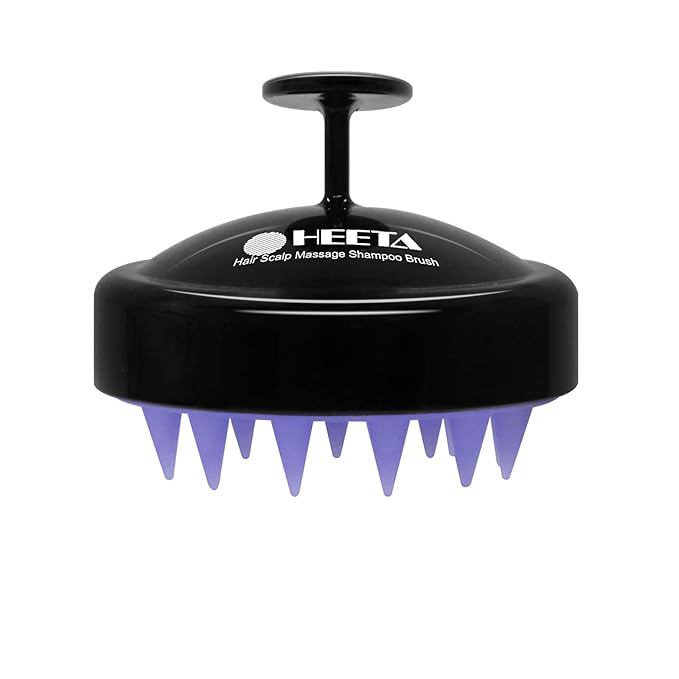
Finally, give your scalp a break from product buildup. Once a week, use a gentle scalp scrub or a rinse with apple cider vinegar diluted in water (one part vinegar to three parts water) to lift away residue. Avoid scrubbing with your nails—use your fingertips in small circles instead.
A sensitive scalp responds to gentleness. Small changes in how you wash, dry, and style can make a real difference within a few weeks.
If the itching, dryness, or flaking continues after adjusting your routine for three to four weeks, consider seeing a dermatologist. They can check for conditions like seborrheic dermatitis or scalp psoriasis that may need a different approach.