Your curly hair routine is a labor of love. You’ve likely spent years—and a small fortune—finding the right creams, gels, and cleansers to define your coils, fight frizz, and encourage bounce. But sometimes, in our focus on achieving the perfect curl, we overlook the foundation it all grows from: the scalp. The very products designed to beautify your hair can sometimes quietly undermine the health of the skin underneath.
It’s a frustrating paradox. You’re following all the advice for curly hair, yet something feels off. The signs are often subtle, easy to dismiss as just a “bad hair day” or seasonal dryness. Learning to recognize these early warnings is the first step toward a routine that nourishes both your curls and your scalp, creating a healthier environment for your hair to thrive.
What does an unhappy scalp look and feel like?
Unlike a sudden rash or obvious irritation, damage from hair products often builds gradually. It’s less about a dramatic reaction and more about a slow shift in your scalp’s condition. Paying attention to these two key warning signs can help you identify a problem before it escalates.
Persistent, localized itchiness and tightness
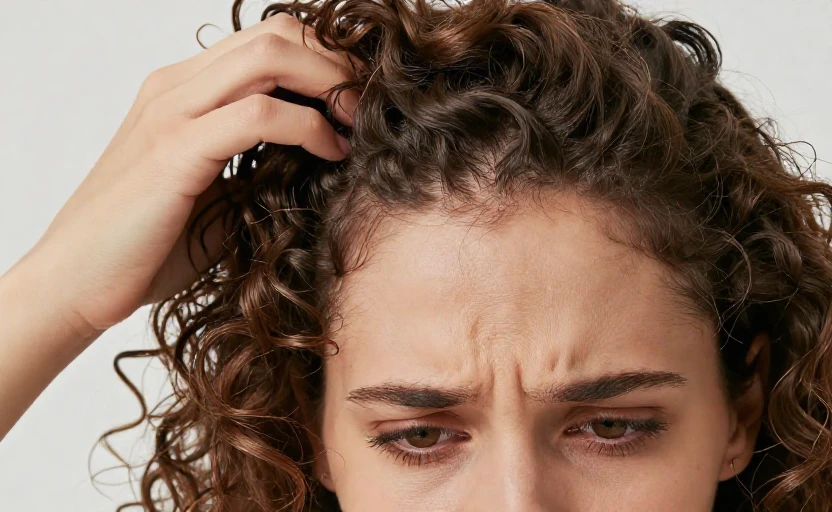
An occasional itch is normal. The warning sign is itchiness that seems to follow your wash day or styling routine, particularly in specific areas like the hairline, crown, or nape of the neck. This is often paired with a sensation of tightness or dryness, as if your scalp is being pulled taut.
This itch isn’t usually from dandruff flakes (which are often yellow or oily with product buildup). Instead, it’s frequently a sign of contact dermatitis—a fancy term for irritation caused by something touching your skin. For curly hair, common culprits include:
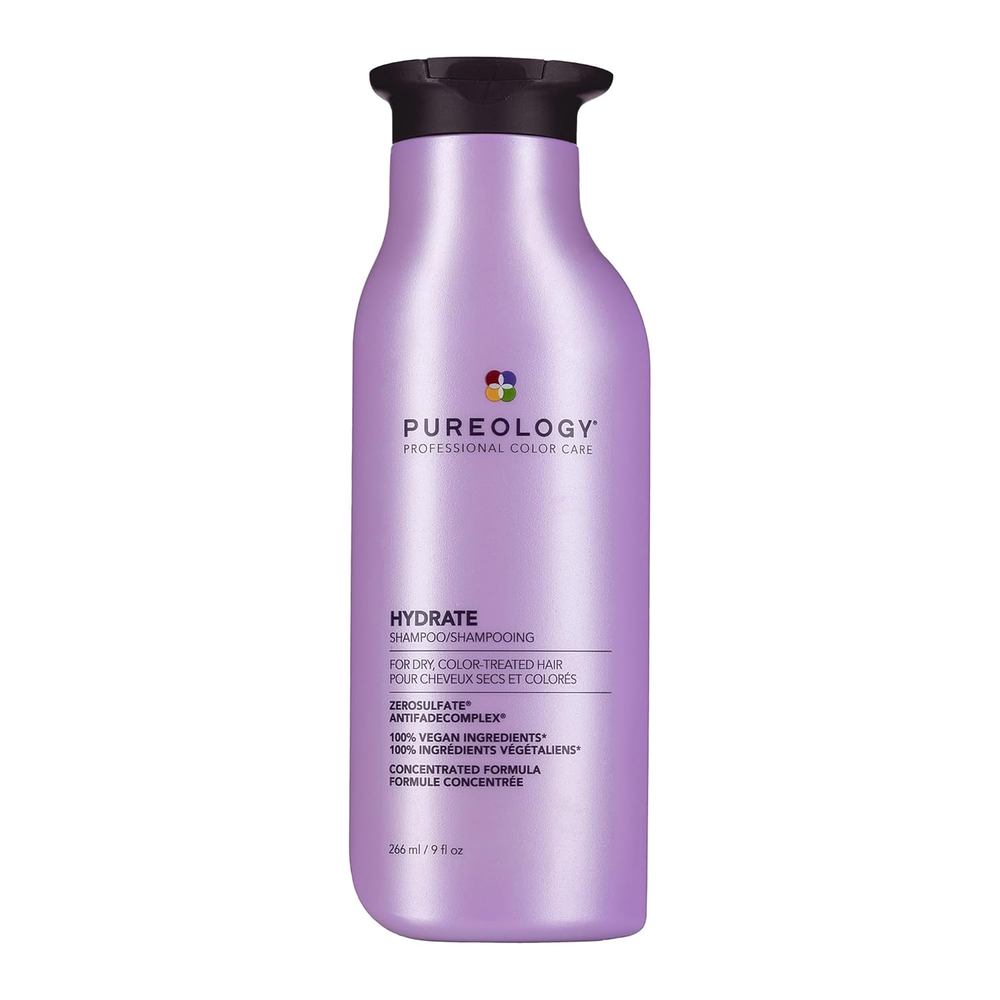
- Surfactants: The cleansing agents in shampoos, especially sulfates like Sodium Lauryl Sulfate (SLS), can be extremely effective at removing oil. Too effective, in fact. They can strip the scalp of its natural, protective oils (sebum), leading to a compromised moisture barrier, dryness, and that persistent itch.
- Fragrances and preservatives: These are among the most common allergens in cosmetics. A “fresh” or “herbal” scent might smell wonderful, but the synthetic compounds that create it can be irritating to sensitive skin over time.
- Drying alcohols: Ingredients like denatured alcohol or isopropyl alcohol are sometimes used in gels or styling sprays for quick-drying effects. On the scalp, they can be profoundly dehydrating.
If your scalp feels tight and itchy a few hours after washing, especially if it’s relieved slightly when your hair is damp or you apply a light oil, your cleanser might be too harsh.
Increased flaking and unusual buildup
Everyone experiences some shedding of dead skin cells. The issue arises when the flaking changes in nature or amount. With product-related scalp damage, you might notice two things:
First, the flakes may appear whiter and drier than typical dandruff, and they might be accompanied by a powdery residue at your roots. Second, you may feel a waxy, almost gritty buildup on your scalp that doesn’t seem to wash away with your regular shampoo. This isn’t just product on your hair strands—it’s a accumulation on the skin itself.
This happens when heavier products—like thick curl creams, butters (shea, cocoa), and some oils—are applied directly to the scalp or migrate there. They can mix with dead skin cells and sebum, creating a film that clogs hair follicles (the tiny pores hair grows from). This environment can disrupt the natural exfoliation process of your scalp skin and, in some cases, lead to inflammation or even hinder healthy hair growth.
How to troubleshoot your product lineup
If these signs sound familiar, don’t panic. It doesn’t necessarily mean you need to throw out your entire collection. A methodical review can help you pinpoint the issue.
Start by looking at the ingredient lists, focusing on the first five to ten ingredients, which make up the bulk of the product. For shampoos, watch for sulfates (SLS, SLES) high on the list. For leave-in conditioners and stylers, note the presence of heavy oils and butters, as well as drying alcohols.
Consider a process of elimination. Try switching just one product at a time—often the shampoo or a heavily applied styler—for a gentler alternative. Observe your scalp’s response over two to four weeks. A simple “scalp detox” period using a very mild, clarifying shampoo (used sparingly) followed by a focus on hydrating, scalp-friendly products can also help reset the environment.
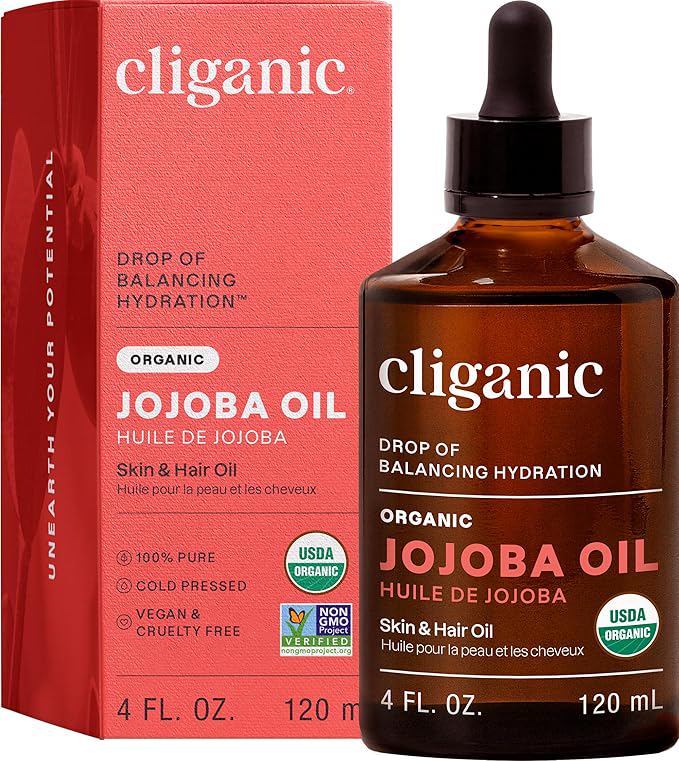
When applying products, practice “scalp avoidance” for your leave-ins. Apply creams and gels from the mid-lengths of your hair to the ends, where curls need the most moisture and definition. Use a light, non-comedogenic oil like jojoba or squalane if you need to moisturize the scalp itself, as these closely mimic the skin’s natural sebum.
Caring for the skin beneath your curls
A healthy scalp routine for curly hair balances effective cleansing with gentle nourishment. It means choosing products that clean without stripping, and moisturizing without smothering.
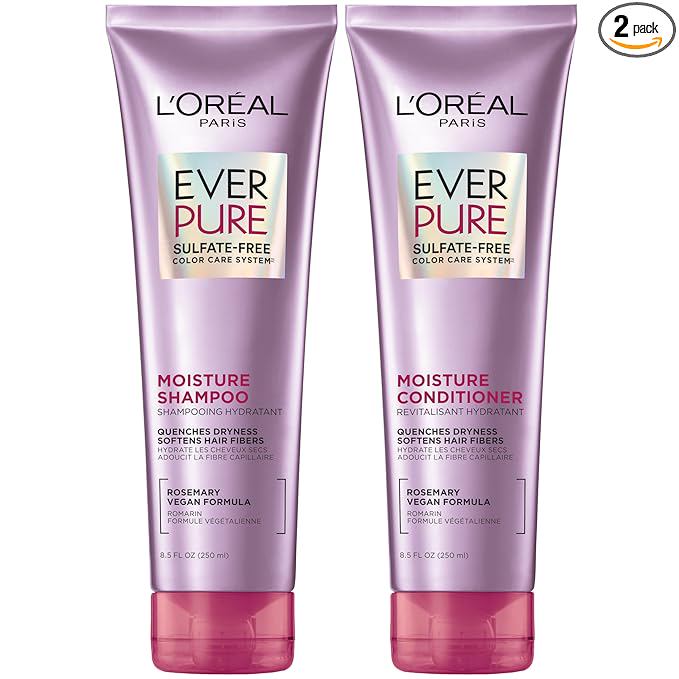
Look for shampoos labeled “sulfate-free” that use milder cleansing agents. Incorporate a gentle scalp massage with your fingertips (not nails) during washing to stimulate blood flow and help loosen any buildup. And perhaps most importantly, listen to your scalp. It’s giving you feedback every day. That itch or tightness isn’t a flaw in your hair; it’s a request for a different kind of care.
Your curls are beautiful, but they grow from a living ecosystem. By paying as much attention to the soil as you do to the blossoms, you build the foundation for hair that’s not only stunning but truly healthy from root to tip.