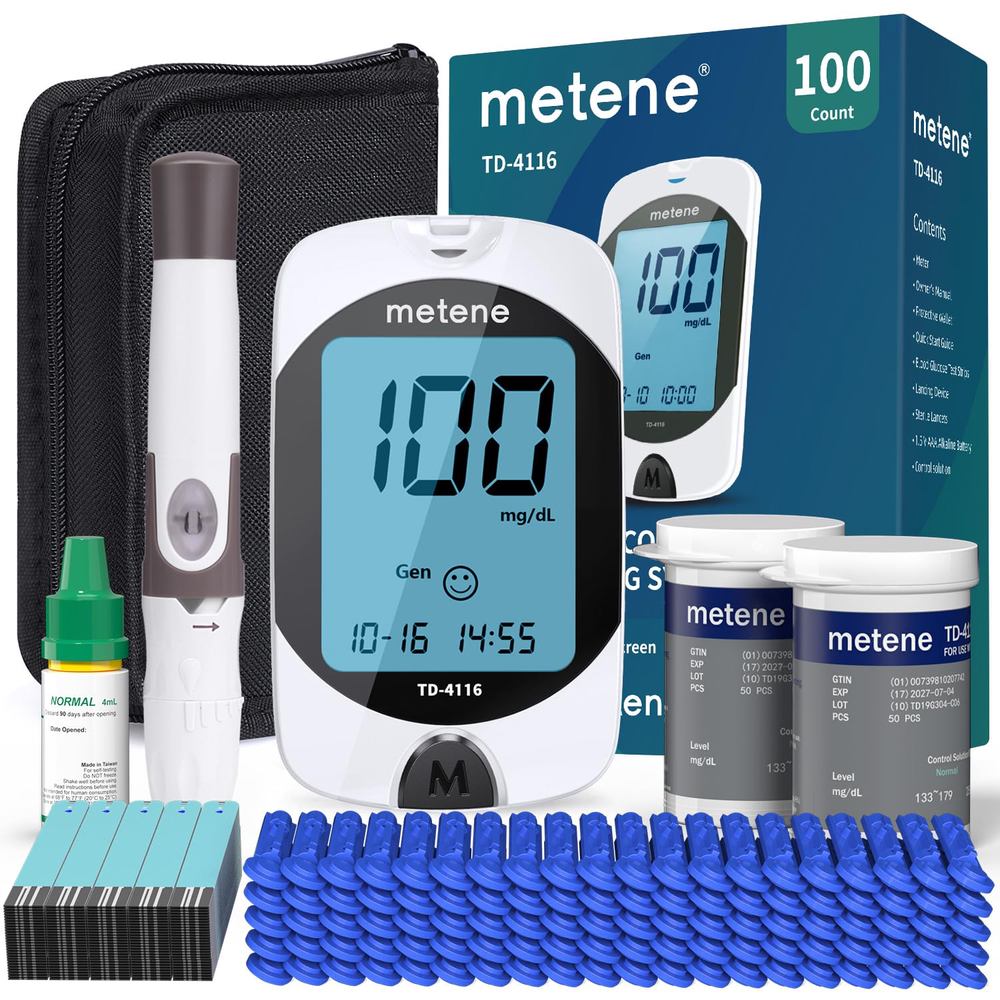
Prediabetes is a metabolic condition where blood sugar levels are higher than normal, but not yet high enough to qualify as type 2 diabetes. Many people have no idea they’re in this gray zone, and that’s partly because the early signals can be subtle—especially if you only feel them after eating. Paying attention to how your body responds to meals could be the clue that prompts you to get a simple blood test and make changes before things progress.
Here are two specific warning signs that can show up in the post-meal window, along with what they mean and why you shouldn’t ignore them.
1. An energy crash that feels like you need a nap
It’s normal to feel a little relaxed after a satisfying meal, but if you regularly experience a pronounced slump—heavy eyelids, mental fog, or the urgent need to lie down—within an hour or two of eating, your body may be struggling to manage glucose. When you eat carbohydrates, your digestive system breaks them down into glucose, which enters your bloodstream. In a healthy response, the pancreas releases just enough insulin to shuttle that glucose into your cells for energy. In prediabetes, cells become less sensitive to insulin (insulin resistance), so the pancreas overproduces insulin to compensate. That overshoot can cause blood sugar to drop too quickly, leaving you feeling drained, shaky, or irritable.
What makes this different from ordinary post-meal drowsiness
A heavy Thanksgiving dinner might make anyone sleepy, thanks to a combination of large portions, fat, and tryptophan. The kind of crash linked to prediabetes tends to happen even after moderate-sized meals that are high in refined carbohydrates—white bread, sugary drinks, pasta, or sweets. You might notice the pattern repeats regularly, and that the fatigue is accompanied by other sensations like mild headache or difficulty concentrating. If you’ve been dismissing it as “just a food coma,” consider tracking how soon it hits and what you ate beforehand.
2. A sudden return of hunger or cravings shortly after eating
Feeling hungry again an hour or two after a full meal is another potential red flag. When insulin spikes too high in response to a meal, it can drive blood sugar down below the normal range—a rebound effect sometimes called reactive hypoglycemia. Your body interprets that dip as an energy emergency, triggering hunger signals and cravings for quick-acting carbohydrates like crackers, fruit juice, or cookies. It becomes a vicious cycle: you eat, your blood sugar surges, insulin overcorrects, you crash, and you reach for another carb to feel better.
This isn’t the same as having a small appetite or needing a snack because you didn’t eat enough. It’s a physiological roller coaster that can leave you feeling out of control around food, even when you know you’ve had plenty to eat. Over time, that pattern stresses your pancreas and accelerates the progression toward type 2 diabetes.
What to do if you recognize these signs
Noticing either of these symptoms after meals is a reason to check in with your healthcare provider, not to panic. They’ll likely order a fasting blood glucose test, an A1C test (which gives an average of your blood sugar over the past two to three months), or an oral glucose tolerance test. These are standard, inexpensive screens that can confirm whether you’re in the prediabetes range—defined as an A1C between 5.7% and 6.4% or a fasting glucose of 100 to 125 mg/dL.
If you are diagnosed with prediabetes, the good news is that lifestyle changes can be remarkably effective. The landmark Diabetes Prevention Program study showed that losing just 5 to 7 percent of body weight and getting 150 minutes of moderate physical activity per week reduced the risk of progressing to type 2 diabetes by 58 percent. Even small adjustments—swapping sugary drinks for water, adding a 15-minute walk after meals, and prioritizing protein and fiber at meals—can smooth out those post-meal blood sugar swings.
When to seek medical attention
While post-meal fatigue and hunger are common experiences, you should take them more seriously if they are accompanied by other signs like frequent urination, unusual thirst, blurred vision, slow-healing cuts, or numbness in your hands or feet. That combination of symptoms may indicate that your blood sugar has been running high for some time, and you need a full evaluation. Prediabetes often has no symptoms at all, so the presence of any consistent post-meal warning sign is an opportunity to act early.
Disclaimer: This article is for educational purposes only and does not constitute medical advice. Always consult a qualified healthcare professional for diagnosis and treatment of any health condition.