
You expect a few new sun spots each summer. But when those flat brown patches start multiplying quickly or changing in ways that seem off, it is easy to feel uneasy. The question most people ask is not whether they have age spots—it is how fast is too fast?
Most age spots (solar lentigines) develop slowly over years of cumulative UV exposure. A sudden acceleration, however, can signal something beyond routine sun damage. Here are the two specific warning signs that your spots may be spreading faster than normal skin aging would predict, plus what you can do about it.
Warning sign #1: New spots appear in clusters within weeks
Standard lentigines emerge one at a time, usually on chronically exposed areas like the backs of hands, face, shoulders, and décolletage. If you notice multiple new spots showing up in a short window—say, three or four in a month—that pace is atypical.
Clustering can be a red flag because it often points to ongoing UV damage that has not been interrupted, or to a change in your skin's melanocyte activity. In some cases, it may be related to medication or hormone shifts. The key difference: a single spot that stays the same for years is benign. A crop of new spots appearing inside a few weeks warrants a closer look.
What to look for
- Several spots of similar size (usually between 0.2 and 2 cm) appearing together
- Spots located on areas that were previously clear of pigmentation
- No associated redness, peeling, or itching—just flat pigment
Quick caveat: If any new spot has an irregular border, multiple colors, or is itchy or bleeding, stop reading and see a dermatologist. That is outside the scope of normal age spots.
Warning sign #2: Existing spots darken or enlarge noticeably
Age spots that have been stable for years do not suddenly change size or shade without a reason. A spot that becomes noticeably darker over a month or two, or that expands beyond its original border, should not be dismissed as simply “getting worse with age.”
This type of change can indicate something called lentigo maligna—a slow-growing form of melanoma that can mimic a harmless age spot. It can also point to repeated sun exposure without adequate protection. Regardless of cause, visible change in an existing spot is a classic signal that the pigmentation process is no longer stable.
How to track changes at home
- Take a well-lit photo of each spot every four weeks using the same lighting and distance.
- Place a coin or ruler next to it for scale.
- Compare the images side by side. If the width increases by more than 1–2 mm or the color darkens significantly, that is acceleration.
Why some age spots accelerate faster than others
Not everyone who sees rapid spread has a medical problem. Common drivers of accelerated lentigines include:
- Inadequate sun protection: Even incidental daily exposure (commuting, sitting near a window) adds up. SPF 30+ on exposed skin every day is the baseline.
- Hormonal influences: Pregnancy, menopause, and certain birth control methods can cause melanocytes to produce more pigment.
- Phototoxic medications: Some antibiotics, diuretics, and NSAIDs make skin more sensitive to UV, triggering a rapid pigmentation response.
- Tanning bed use: Concentrated UVA exposure can induce spots much faster than natural sunlight.
If you have one or more of these factors and spots are accelerating, you may be able to slow them down by addressing the root cause. But if none of these apply, the acceleration may be a sign of something deeper.
When to see a dermatologist about fast-spreading spots
The general guideline is: any change in size, shape, color, or number that feels unusual to you deserves an exam. Fast spread alone is not diagnostic of cancer, but it is a symptom that needs professional evaluation to rule out melanoma or other skin pathology.
Dermatologists use a dermatoscope to check for pigment network irregularities. They may also perform a biopsy if the spot has concerning features. Catching problematic changes early is the entire goal of skin self-exams, and speed of spread is one of the most actionable clues.
Symptoms that require urgent attention
- A spot that bleeds, crusts, or oozes
- Redness or swelling beyond the spot’s border
- Soreness or itching at the site
- A spot that looks different from all your other spots (the “ugly duckling” sign)
Practical ways to slow further spread
While you are waiting for a dermatology appointment, there are evidence-backed steps you can take to protect the surrounding skin:
- Upgrade your sunscreen routine. Use a broad-spectrum SPF 50+ that contains zinc oxide or titanium dioxide. Reapply every two hours if you are outdoors.
- Wear UPF-rated clothing. A wide-brimmed hat and long sleeves provide physical protection that sunscreen alone cannot guarantee.
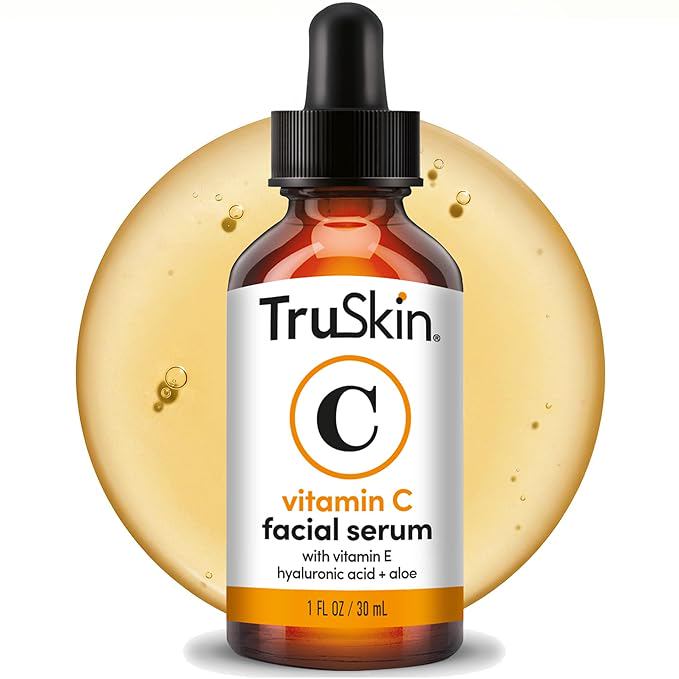
- Add topical antioxidants. Serums containing vitamin C (L-ascorbic acid), ferulic acid, or niacinamide can help stabilize melanocyte activity over time.
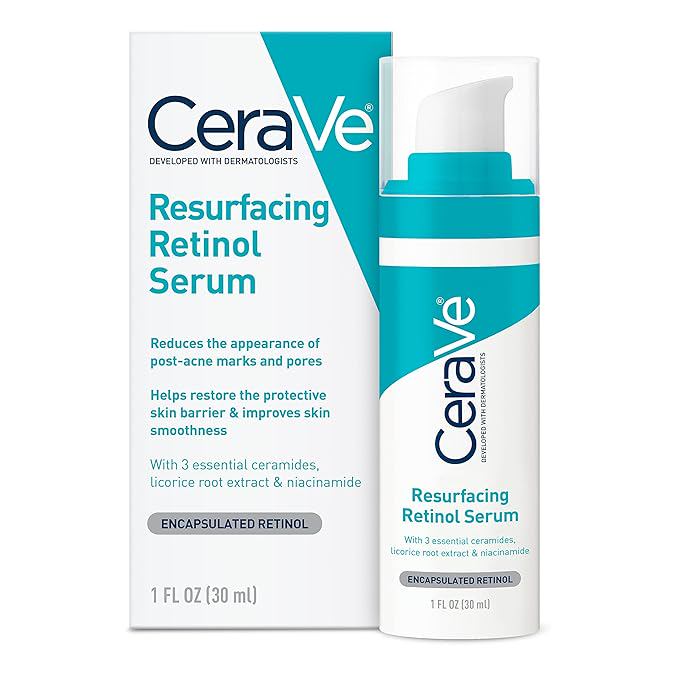
- Consider retinoids. Over-the-counter retinols or prescription retinoids can gradually fade superficial pigment, though they must be used carefully to avoid irritation.
- Avoid picking or scrubbing spots. Physical trauma can trigger more pigmentation in predisposed skin.
None of these measures are a substitute for a medical diagnosis, but they can reduce the chance of new spots forming while you address the existing ones.
Final thought
The line between normal aging and a genuine warning sign is often drawn by speed. A spot that appeared a decade ago and has not moved is low concern. A rapid cluster of new spots or a darkening change in an old one is your skin sending a message. Listen to it, document it, and share it with a professional.