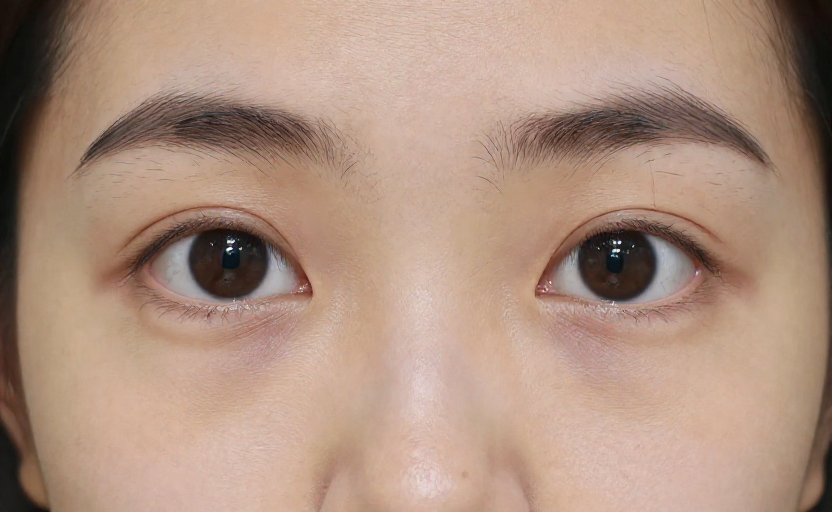
Dark circles under the eyes are often brushed off as a sign of a late night or a busy week. While fatigue can certainly play a role, many people find that even after a full night's sleep, those shadows remain. When standard fixes like more rest or a new eye cream don't work, it's worth looking deeper. There are at least two surprising symptoms that often accompany persistent dark circles—and they point to underlying causes that go beyond simple tiredness.
What Are Dark Circles Really Telling You?
Skin around the eyes is thin and delicate. When blood vessels beneath the surface become dilated or when blood flow slows, the discoloration shows through more easily. But dark circles can also be a visible clue about what's happening inside the body. Understanding the full picture can help you choose the right approach to lighten them—and feel better overall.
Symptom 1: Persistent Puffiness or Under-Eye Bags
If you wake up with swollen lids or puffy under-eye areas that stay for hours, this isn't just about sleep posture. Chronic puffiness alongside dark circles often signals poor lymphatic drainage or fluid retention. Your lymphatic system works to remove waste and excess fluid from tissues; when it's sluggish, fluid collects in the delicate eye area. This can be linked to:
- High sodium intake – A diet heavy in processed foods can cause your body to hold onto water, leading to puffiness.
- Allergies – Histamine release causes blood vessels to dilate and fluid to leak into tissues, creating both puffiness and darkening.
- Poor circulation – When blood flow is sluggish, fluid doesn't drain properly, compounding shadows.
How Allergies Play a Role
Allergic reactions—whether seasonal, to dust, or to certain foods—trigger inflammation. The thin skin under your eyes reacts quickly, showing up as swelling and a darker hue often called "allergic shiners." Treating the underlying allergy (with guidance from a healthcare professional) can often reduce both the puffiness and the discoloration.
Symptom 2: Visible Veins or a Bluish Tint
Another unexpected symptom is noticing small, bluish veins becoming more prominent under your eyes or the whole area taking on a blue or purple cast. This points to vascular causes. The skin here is so thin that it acts almost like a window onto the capillaries below. When those capillaries become fragile or congested, the blood pools and creates a dark, bluish appearance. Key contributors include:
- Iron deficiency – Low iron levels can affect blood oxygen levels, making veins appear more pronounced and the skin paler, which increases contrast.
- Excessive screen time – Staring at screens for hours without breaks can lead to eye strain and reduced blinking, which slows local circulation.
- Thinning skin due to aging – Natural collagen loss makes veins more visible.
Understanding the Iron Connection
Iron is essential for healthy red blood cells. When storage levels drop, the body may redirect blood flow, and the delicate eye area can show the strain first. If you also feel unusually tired, cold, or have brittle nails, these could be accompanying signs that warrant a simple blood test from your doctor.
Practical Steps That Address the Root Causes
Instead of reaching for another concealer or a trendy eye cream, consider strategies that target the deeper issues behind your dark circles.
- Adjust your diet – Reduce processed foods and salt. Incorporate iron-rich foods like leafy greens, lean red meat, or legumes. Pair them with vitamin C (from citrus or bell peppers) to boost absorption.
- Manage allergies – An antihistamine or allergy-proofing your bedroom (think: dust-mite covers, air purifier) can reduce chronic puffiness.
- Support circulation – The lymphatic system responds well to movement. Simple facial massage, gentle exercise, and staying hydrated can help fluid drain more efficiently.
- Protect the skin barrier – Use a moisturizer with ceramides or peptides to support the thin under-eye skin. Sunscreen is non-negotiable—UV damage hastens collagen loss and makes veins more visible.
Remember, if dark circles appear suddenly or are accompanied by significant swelling, pain, or vision changes, check with a healthcare provider to rule out underlying medical conditions.
When you view dark circles as a signal rather than just a cosmetic nuisance, you can address the real reasons behind them. By noticing whether puffiness or visible veins are part of your picture, you can tailor your approach—and often see more lasting results.