
Frizz is a universal hair complaint, but not all frizz is the same. Two very different culprits—a dry, dehydrated scalp and product buildup—can both leave your hair looking rough, but they require completely different fixes. Knowing which one you're dealing with is the first step toward smoother, healthier hair.
The problem is that the symptoms can look similar: flyaways, a lack of shine, and unruly texture. However, a closer look at your scalp and your hair's texture reveals distinct clues. Here are the two key symptoms that separate dry scalp frizz from product buildup frizz.
Symptom 1: The Scalp Feels Tight, Itchy, or Flaky (Dry Scalp Frizz)
When your scalp lacks moisture, it signals trouble. You might notice a persistent feeling of tightness, especially after washing. Itching is also common, and you may see small, white, dry flakes—not the greasy, clumpy flakes associated with dandruff. This is dry scalp. The frizz that follows is the hair shaft's response—it lacks natural oils that travel from a well-hydrated scalp, so the cuticle lifts, causing a rough, dull surface that reflects light poorly and catches moisture from the air.
Key sign: If your scalp feels parched and your hair feels brittle or straw-like near the roots, you're likely dealing with dryness-related frizz.
This type of frizz often worsens in winter, after using clarifying shampoos too frequently, or if you skip conditioner. The hair may feel rough to the touch even when it's clean.
Symptom 2: The Hair Feels Heavy, Lank, or Waxy (Product Buildup Frizz)
Product buildup is a different story. Here, the frizz isn't from a lack of moisture—it's from too much stuff sitting on the hair shaft. Heavy gels, creams, dry shampoos, and silicones can form a film that traps debris and sebum. Instead of feeling dry, the hair may feel coated, greasy at the roots, or sticky. The frizz appears because the buildup prevents moisture from penetrating, creating a rough, uneven surface where strands stick together in clumps rather than forming a smooth sheet.
You might also notice that your hair doesn't feel clean after a regular wash, or that your curls have lost their bounce. A telltale sign is that your hair looks duller than usual, even when it's wet.
Key sign: If your hair feels heavy, looks flat at the crown, or has a waxy residue on your fingers when you run them through it, buildup is likely the culprit.
How to Check for Buildup
You can do a simple clarity test at home. Take a small section of clean, dry hair and place it in a glass of water. If it floats for a long time (more than a few seconds) or doesn't sink at all, that's a strong sign of product or mineral buildup on the hair shaft. Healthy hair should absorb water and sink relatively quickly.
Why the Difference Matters for Your Routine
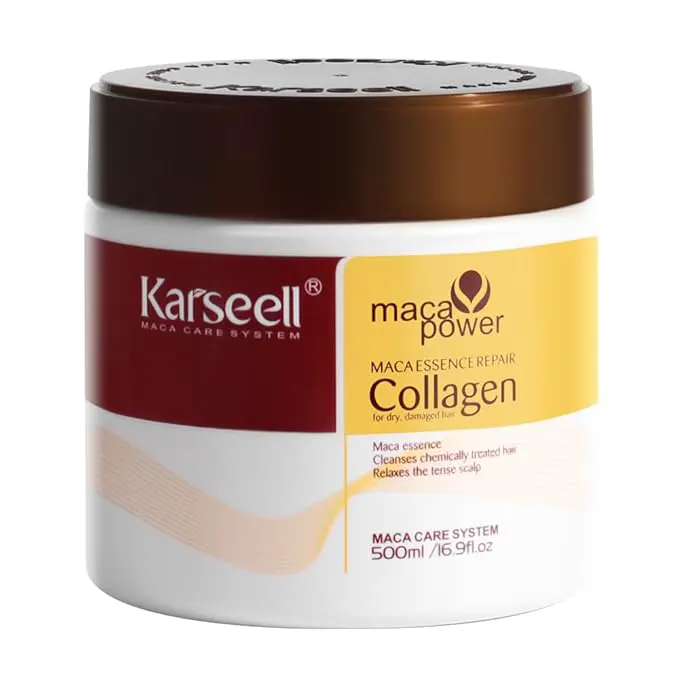
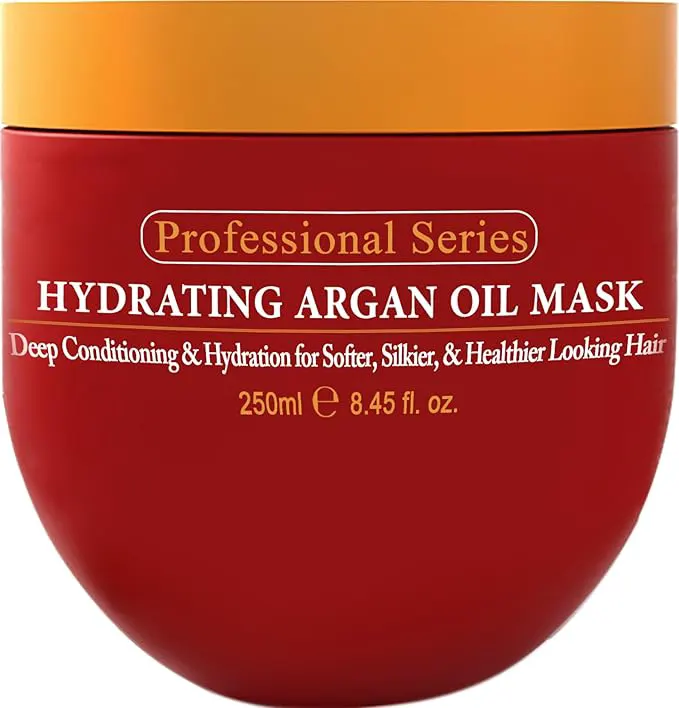
Treating dry scalp frizz means adding moisture. Reach for a gentle, sulfate-free shampoo, a rich conditioner, and a hydrating hair mask once a week. Avoid over-washing, and consider a leave-in conditioner or scalp oil to calm the dryness.
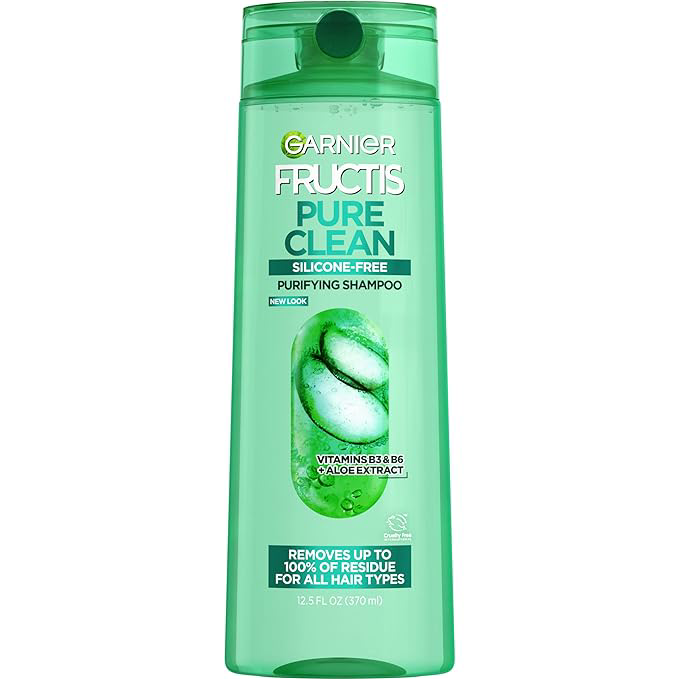
Treating product buildup frizz means cleaning the slate. Use a clarifying shampoo (once or twice a month) to dissolve residue. Avoid heavy silicones and waxes, and alternate with a gentle shampoo. A chelating shampoo can also help if you have hard water.
Applying a heavy moisturizer to buildup frizz can make it worse—it adds more coating. Using a clarifying wash on dry scalp can strip it further. Getting this one symptom right is the key to a routine that works.
The bottom line: Frizz is a signal, not a single problem. Pay attention to whether your scalp feels tight and your hair feels brittle (dryness), or whether your hair feels heavy and looks dull even after washing (buildup). Address the root cause, and your hair will respond.