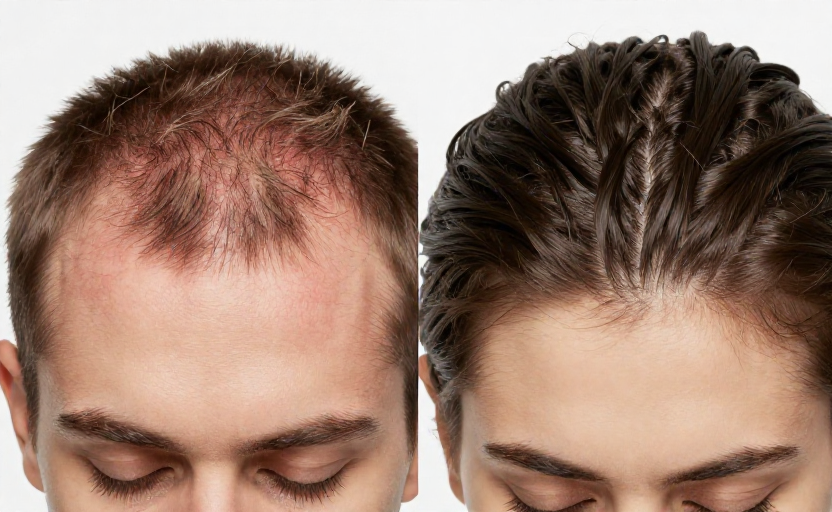
Your scalp is often the first place to signal that something is off balance. It can shift from calm to irritated without obvious warning, but two specific symptom changes usually point to a clear need: your current hair care routine just isn't working anymore. Recognizing these signs early can help you adjust before minor irritation turns into chronic discomfort.
Change #1: Persistent Itching That Lingers After Washing
Occasional itchiness happens to everyone, especially in dry weather or after using a new product. But when the itching becomes a daily companion that doesn't fade after shampooing, it's worth paying attention to. This kind of persistent itch often signals that your scalp's natural barrier is compromised. The microbiome—the delicate community of microorganisms living on your scalp—may be out of balance due to over-cleansing, product buildup, or environmental stressors.
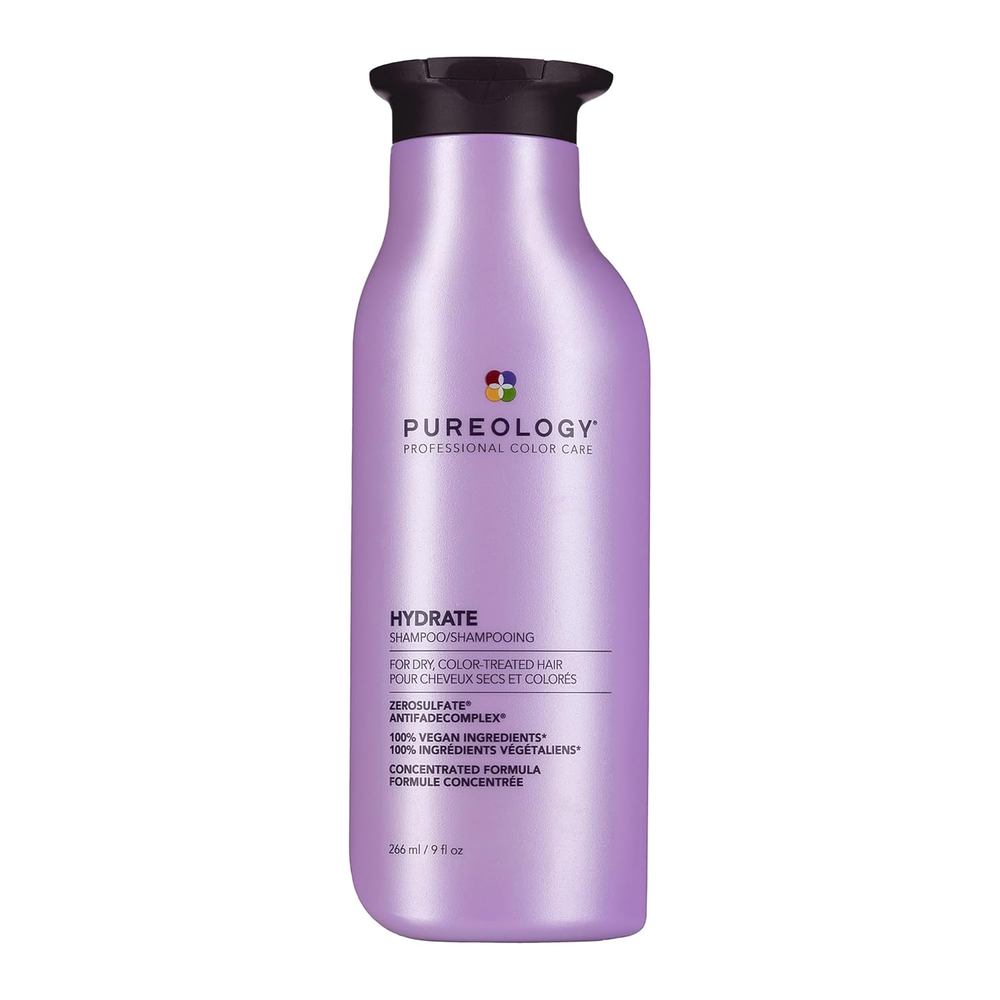
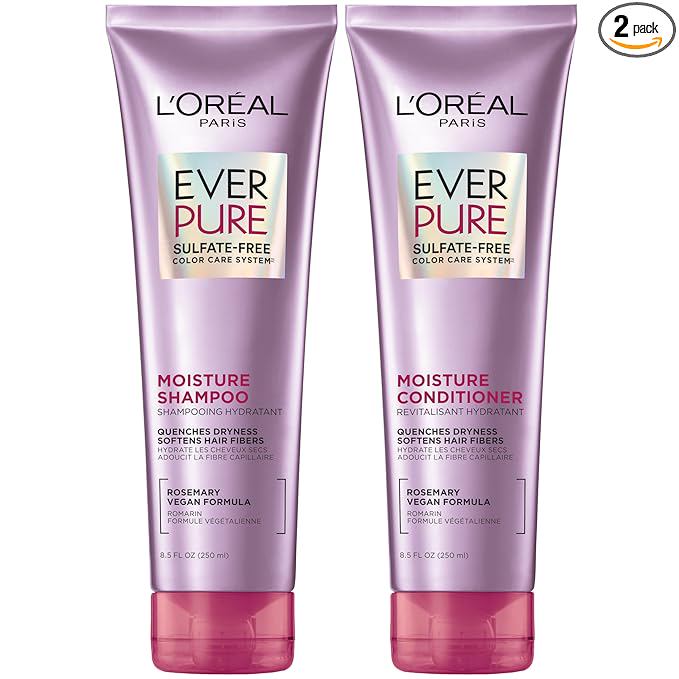
When the itch is paired with slight flaking or redness, it's a strong indicator that your routine lacks ingredients that support scalp hydration and gentle exfoliation. Many conventional shampoos strip away natural oils, leaving the skin tight and reactive. Switching to a sulfate-free cleanser with soothing components like aloe vera, niacinamide, or tea tree oil can help restore calm.
A good rule of thumb: if your scalp still itches 30 minutes after showering, your current cleanser may be too harsh.
Change #2: Increased Oiliness or Dryness That Isn't Seasonal
Your scalp's oil production naturally fluctuates with the seasons—more humidity means more sebum, while winter air dries things out. But when oiliness or dryness becomes a consistent problem regardless of weather, your routine may be the culprit. Over-washing can trigger rebound oil production, while under-washing allows sebum and dead skin cells to accumulate, clogging follicles and weighing hair down.
Dryness that feels tight, flaky, or itchy, even in humid months, suggests your scalp needs more moisture and barrier support. Ingredients like glycerin, squalane, and ceramides help retain hydration without heaviness. On the flip side, if your scalp feels greasy by midday despite using a clarifying shampoo, you might need a gentler approach that doesn't strip oils so aggressively that your sebaceous glands overcompensate.
How to Build a New Scalp Routine
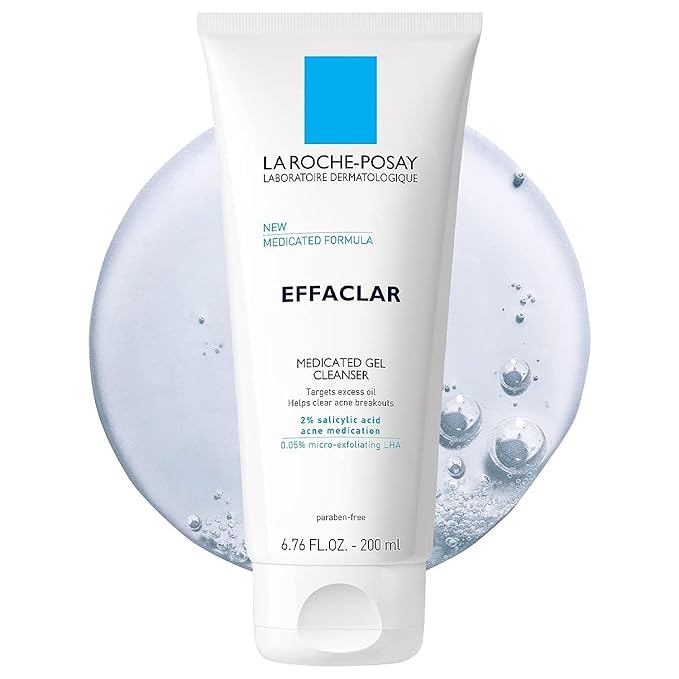
Once you've identified one or both of these symptom changes, the next step isn't to overhaul everything at once. Start by swapping just your shampoo and conditioner to a formula designed for scalp health. Look for products labeled "pH balanced" and free of sulfates and parabens. If you use dry shampoo or styling products regularly, consider adding a weekly scalp scrub or a gentle salicylic acid treatment to lift buildup.
Pay attention to how your scalp feels after each wash for two weeks. Improvement in itching, oil regulation, or flaking means you're on the right track. If symptoms persist, a dermatologist can rule out conditions like seborrheic dermatitis or psoriasis, which may require medicated treatments.
Your scalp's health directly affects your hair's strength, shine, and growth. By listening to these two symptom changes and adjusting your routine accordingly, you can prevent small issues from becoming bigger problems.