
Even the most well-intentioned skincare routine can backfire. You might be layering products with care, using serums and moisturizers that promise glow, yet your skin feels tight, looks red, or breaks out in tiny bumps. The culprit isn't always what you're applying—it's often how your skin is reacting to it. Nighttime irritation can be subtle, masquerading as dryness or congestion, and many people don't connect the dots until the damage is done.
Here are two overlooked signs that your nightly ritual may be doing more harm than good.
1. Your skin feels tight or stingy after cleansing
A slight tightness after washing your face is often brushed off as a sign that your cleanser is working. In reality, that sensation frequently indicates that your skin's protective barrier has been compromised. When the barrier is stripped—often by harsh surfactants in foaming cleansers, over-exfoliation, or using too-hot water—the skin loses the natural oils it needs to stay resilient.
This feeling of tightness is a low-level inflammatory response. You might not see immediate redness, but the discomfort signals that the stratum corneum is losing hydration faster than it can replenish. Over time, this can lead to increased sensitivity, flakiness, and even breakouts as your skin tries to compensate by producing more oil.
If your face feels taut after cleansing at night, your current cleanser may be too aggressive. Consider switching to a gentle, non-foaming cream or milk cleanser that respects the lipid barrier.
2. You wake up with unexplained redness or bumps
Morning is when the truth reveals itself. If you consistently notice patchy redness, tiny flesh-colored bumps, or rough texture upon waking, it's likely that something in your nighttime routine is irritating your skin while you sleep. Many active ingredients—retinoids, vitamin C serums, AHAs, and BHAs—are powerful tools, but they can trigger a delayed reaction that sets in hours after application.
This is especially common when you layer too many actives at once. Your skin works differently during sleep: blood flow increases, cell turnover ramps up, and products penetrate deeper. That same serum that felt fine during the day may cause a cumulative irritation by morning. The result is a subtle, persistent inflammation that doesn't burn or peel dramatically, but leaves your skin looking blotchy and uneven.
A quick check: Stop all active treatments for three nights and use only a gentle cleanser and a basic moisturizer. If the morning redness improves, your routine was the trigger.
Other factors that mimic irritation
It's easy to blame your products, but sometimes the environment plays a role. If you sleep with a heater on, the dry air can pull moisture from your skin overnight, making it feel tight by morning. Switching to a humidifier in your bedroom can help you tell the difference between product irritation and simple dryness.
Also consider what's touching your face while you sleep: unwashed pillowcases, fabric softeners with strong fragrances, or even your partner's beard can cause contact dermatitis that looks exactly like a bad skincare reaction.
What to do when you spot the signs
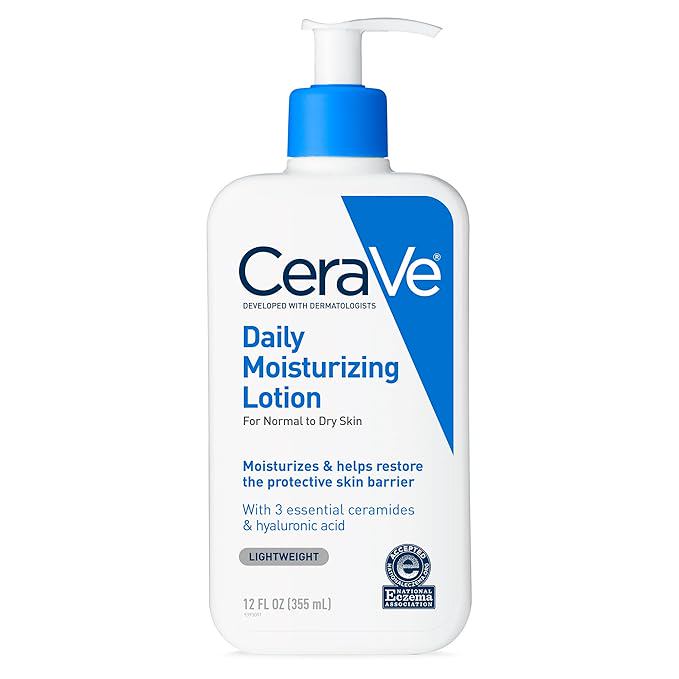
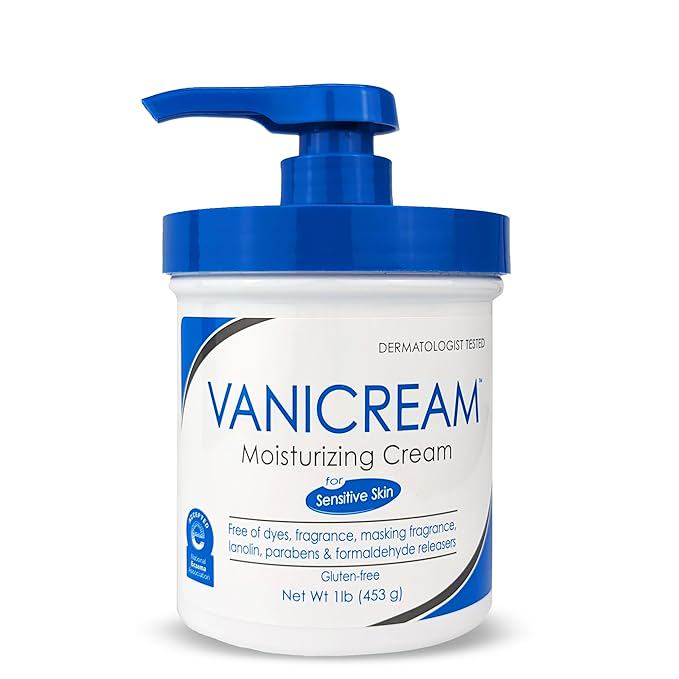
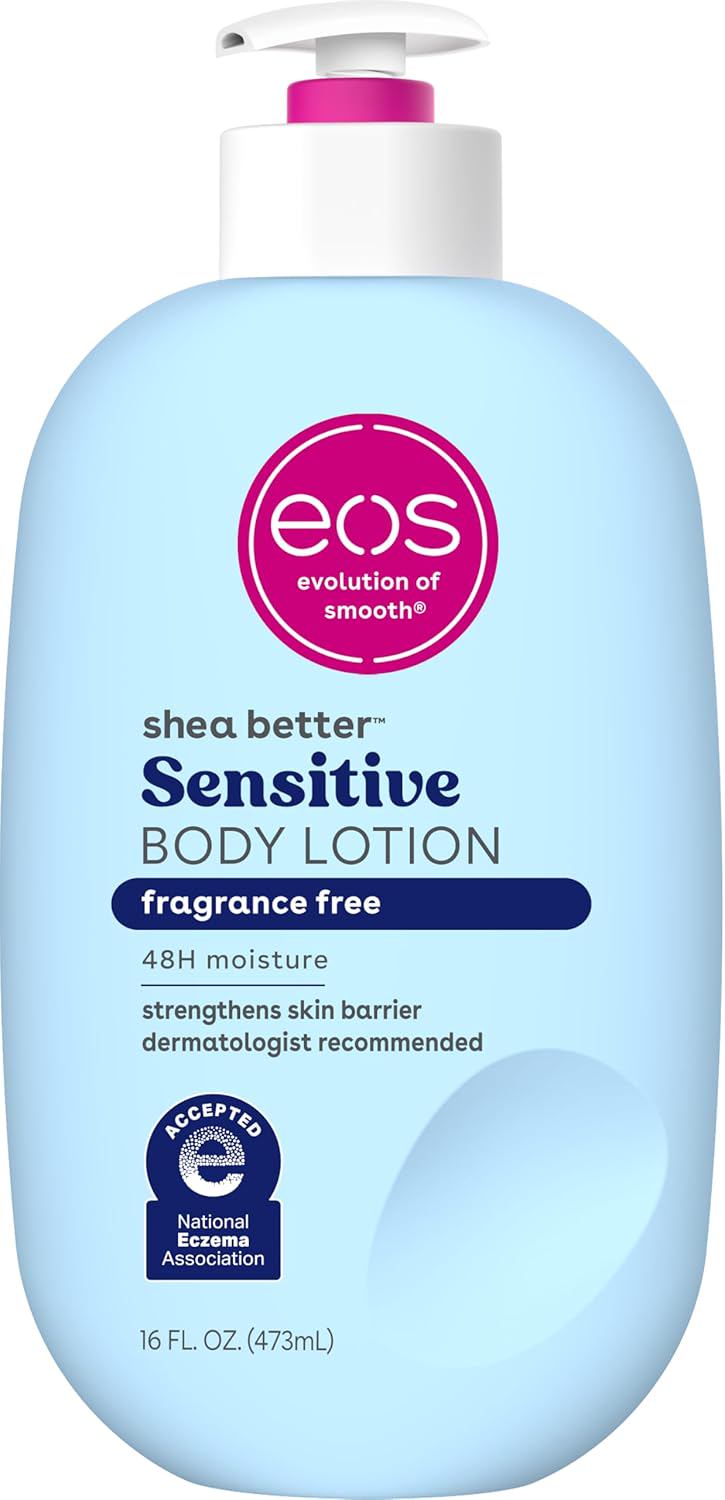
If you suspect nightly irritation, give your skin a break. Simplify your evening routine to three steps: a mild cleanser, a hydrating toner (no alcohol), and a fragrance-free moisturizer with ceramides or squalane. Introduce actives one at a time, waiting at least a week between additions.
Patch test new products on your neck or behind your ear for three consecutive nights before applying them to your face. And remember: healthy skin doesn't tingle, burn, or feel tight. Those aren't signs of efficacy—they're signs of distress.