
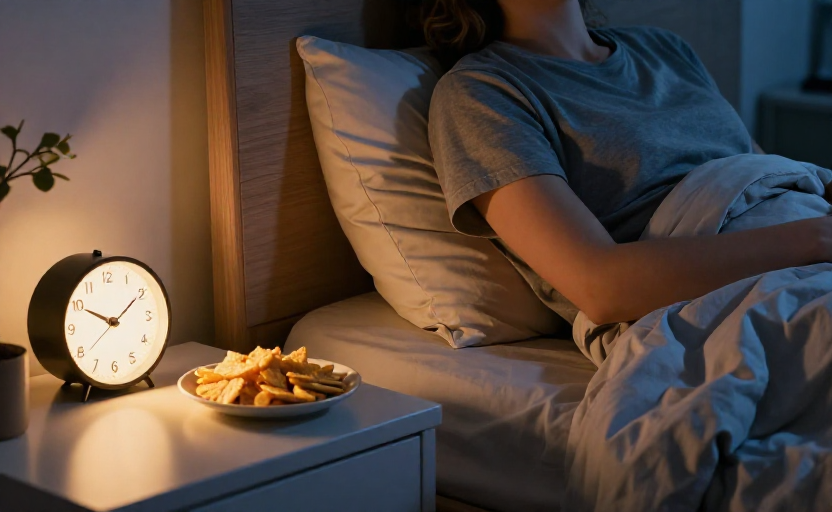
You’ve done everything right for better sleep—dimmed the lights, put away the phone, maybe even tried a wind-down routine. Yet you wake up feeling as if you never truly rested. The culprit might be hiding in your kitchen, specifically in whatever you reach for after dinner. The connection between late-night eating and sleep quality is often subtle, and many people overlook it. Here are two telltale signs that your night-time snacks are robbing you of deep rest.
You wake up frequently during the night
Waking up once or twice to shift positions is normal, but if you find yourself stirring multiple times—especially after the first few hours—a late-night snack could be the reason. Certain foods can trigger a mild inflammatory response or spike your blood sugar, which disrupts the body's natural progression into deep sleep and REM cycles. Even if you fall asleep easily, your digestive system may still be working hours later, sending subtle signals that keep you from staying under.
A snack high in sugar or refined carbs can cause a blood-sugar rollercoaster. You crash hard at first, then your body releases stress hormones like cortisol to compensate, pulling you out of restorative sleep.
This pattern often goes unnoticed because you don't fully wake up—you just drift into lighter sleep stages. Over time, your sleep architecture suffers, and you miss out on the physical repair and memory consolidation that happen during deep rest. If you regularly wake up feeling unrefreshed despite getting seven to eight hours, pay attention to what you ate within two hours of bedtime.
You feel hot or restless in the middle of the night
Another subtle signal is a sense of internal heat or physical restlessness around 2 or 3 a.m. Spicy foods, caffeine (yes, even from chocolate or certain teas), and large portions can raise your core body temperature. Your body naturally cools down as you prepare for sleep, and any disruption to that process can interfere with your ability to stay in deep sleep. You might toss off the covers, wake up sweaty, or feel a vague sense of agitation that makes it hard to settle back down.
This is particularly common with snacks that combine fat and sugar—like ice cream, cookies, or processed crackers. They digest slowly and can trigger a mild thermogenic effect, meaning your body produces extra heat as it processes the food. Over time, this nightly heat spike fragments your sleep and reduces overall restfulness.
What to look for in your night-time snacks
Not all snacks are created equal when it comes to sleep. The worst offenders tend to be high in added sugar, refined flour, or unhealthy fats. Even seemingly healthy options like granola bars or dried fruit can be problematic if they spike blood sugar. On the other hand, a small snack that combines protein with a complex carbohydrate—think a slice of turkey with a few almonds or a small bowl of oatmeal—can actually support stable blood sugar and promote sleep without disturbing your rest.
- Sugar and refined carbs (cookies, white bread, sugary cereal) can spike insulin and disrupt sleep cycles.
- Spicy or acidic foods (hot sauce, citrus, tomatoes) can cause heartburn or raise body temperature.
- Caffeine in disguise (dark chocolate, some teas) can keep your nervous system active.
- Large portions, even of healthy foods, can overload digestion and raise core temperature.
How to adjust without giving up snacks entirely
The goal isn't to eliminate all evening eating—it's to choose snacks that work with your body's natural sleep rhythm. Aim to finish any substantial food at least two hours before bed. If you need something closer to bedtime, keep it small, around 150 calories or less. A handful of walnuts, a small banana, or warm milk with a pinch of nutmeg can satisfy cravings without sabotaging your sleep. Pay attention to how you feel in the morning—if you wake up groggy or unrested, experiment with changing your snack choices for a few nights. The results can speak for themselves.
Remember that individual responses vary. If you consistently have trouble staying asleep despite adjusting your eating habits, it's worth consulting a healthcare professional to rule out other factors like sleep apnea or hormonal changes.