
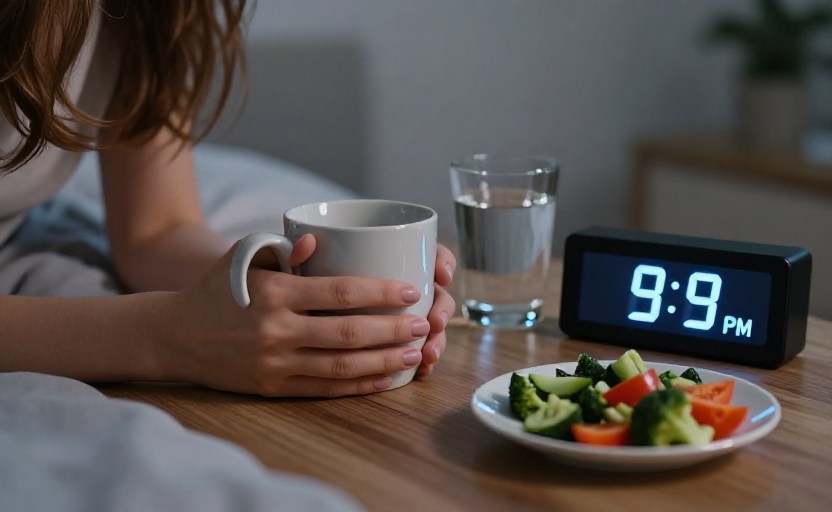
You might be doing everything right—drinking water throughout the day, eating your vegetables, and getting to bed at a decent hour. Yet you wake up feeling parched, your skin looks dull, and that afternoon brain fog hits earlier and harder than it should. The culprit might not be how much you drink during the day, but what happens during your evening routine.
Proper rehydration isn't just about gulping water. It's about how your body retains and uses that fluid, especially after a day of accumulated stress. Two subtle habits—often overlooked—could be silently sabotaging your body's ability to rehydrate overnight.
What Daily Stress Does to Your Fluid Balance
When you're under stress, your adrenal glands release cortisol. Chronically elevated cortisol can affect your body's production of antidiuretic hormone (ADH), which tells your kidneys to hold onto water. Over time, this hormone disruption can lead to what feels like constant thirst or a need to urinate more frequently—even when you haven't had much to drink.
This is where a seemingly innocent evening routine can make things worse. You might reach for a cup of herbal tea or a glass of wine to unwind, but certain choices interfere with the very mechanisms your body needs to restore hydration overnight.
Subtle Sign #1: You Rely on Caffeine or Alcohol in the Evening
A recent survey found that nearly half of Americans include a caffeinated or alcoholic beverage in their nightly wind-down. While both can help you mentally shift gears, they can also act as diuretics—substances that increase urine production.
Think about it: you drink a cup of black tea or a glass of wine, enjoy the relaxation, and then get up multiple times during the night. Each trip to the bathroom pulls fluid out of your system. By morning, you're starting the day slightly dehydrated, and that deficit compounds with every stressful meeting, coffee run, and skipped water break.
Instead of replacing lost fluids, your evening drink may be actively depleting them. A better approach is to keep alcohol to a minimum (or skip it on weeknights) and choose naturally caffeine-free alternatives like a mild chamomile or a warm lemon water—which support, rather than hinder, overnight hydration.
Subtle Sign #2: You Eat a Large, Salty Meal Close to Bedtime
A heavy dinner—especially one loaded with sodium—can be just as disruptive. High sodium intake makes your body retain water temporarily, but it also triggers thirst and can pull water from your cells. This leads to a confusing cycle: you feel puffy and thirsty at the same time, and your kidneys go into overdrive trying to balance the salt.
Research from the American Heart Association shows that the average American consumes about 3,400 mg of sodium per day—far above the recommended 2,300 mg. When you eat a salty meal two or three hours before sleep, your body struggles to flush the excess. That nighttime bathroom break is your kidneys trying to restore balance. Meanwhile, your cells remain dehydrated because the water hasn't been properly distributed.
A gentler evening meal—say, roasted vegetables with a lean protein and a simple olive oil dressing—avoids this sodium spike. Pair it with a glass of water an hour before bed, and you'll support a restful night and a properly hydrated morning.
How to Reclaim Your Evening Routine for Better Hydration
Once you spot these subtle signs, the fix isn't complicated. You don't need a full detox or a rigid schedule—just a few thoughtful swaps.
- Replace the nightcap with a hydrating ritual. Try a mug of warm water with a squeeze of lemon or a pinch of high-quality sea salt. This simple electrolyte drink can help your body hold onto fluid.
- Move your last meal earlier. Aim to finish eating at least three hours before you plan to sleep. This gives your kidneys time to process sodium without disrupting your rest.
- Consider a nightly magnesium supplement. Magnesium supports both relaxation and proper fluid balance. A small dose (like 200–400 mg of magnesium glycinate) can help you sleep better and rehydrate more efficiently.
- Check your sleep environment. A warm room or dry air can increase nocturnal water loss through sweat and respiration. Keep your bedroom cool and, if needed, use a humidifier to add moisture back into the air.
The Bigger Picture: Rehydration as a Recovery Tool
Hydration isn't just about quenching thirst. It's a fundamental part of recovery—physical, mental, and emotional. When you're properly hydrated, your blood flows more easily, your brain functions more clearly, and your body can flush out the stress hormones that built up during the day.
Those two subtle signs—evening caffeine/alcohol and salty late meals—may seem minor, but they can create a pattern of chronic low-grade dehydration that amplifies the effects of daily stress. By shifting your evening routine just a few degrees, you give your body what it truly needs: time to rest, repair, and rehydrate properly.