
The eyes may be the windows to the soul, but they are also one of the first places your face shows what is happening beneath the surface. While many people focus on crow’s feet or dark circles, there are quieter, more subtle changes around the eyes that can signal a decline in collagen—the structural protein that keeps skin firm, plump, and resilient. You might not connect these specific changes with collagen loss at first, but once you know what to look for, the clues become harder to miss.
These two signs often develop gradually, which is why they tend to slip under the radar. Recognizing them early gives you the chance to support your skin’s matrix before the changes become more pronounced. Here is what to look for and why it matters.
The eyelid crease is getting deeper or more hollow
If you have noticed that your upper eyelids appear slightly more hollow or that the natural crease along the lid is becoming more pronounced, you are seeing the effect of reduced collagen density. The skin around the eyes is the thinnest on your body—roughly 0.5 millimeters thick. When collagen fibers begin to break down due to aging, sun exposure, or lifestyle factors, that thin skin loses its underlying support.
A deepening of the eyelid crease is often mistaken for simple tiredness or aging, but it is really a structural change in the dermis.
As the collagen network weakens, the skin cannot hold its shape as well. The result is a subtle hollowing effect, especially along the upper lid where the bone structure is closest to the surface. This change can also make the eyes appear more sunken, even if your sleep and hydration habits are solid. For some people, the crease becomes more defined on one side first, which can create a slight asymmetry that was not there before.
It is important to distinguish this from normal age-related fat redistribution. While fat loss around the eyes can also cause hollowing, the collagen component specifically affects how the skin drapes over the underlying structures. If the skin itself looks thinner, more translucent, or more lax at the crease line, collagen is likely the primary culprit.
Fine lines appear under the eye when you smile (and then linger)
The second sign is easy to write off as ordinary expression lines. You smile, you get small crinkles under the lower lashes, you stop smiling, they disappear—except lately, they do not disappear as quickly, or they leave a faint trace even when your face is neutral. This lingering effect is a strong indicator that the dermal support structure is compromised.
In younger, collagen-rich skin, the elastin and collagen fibers work like a trampoline. They stretch to accommodate movement and snap back into place when the movement stops. When collagen levels drop, that trampoline effect weakens. The skin starts to behave more like a well-used rubber band—it still stretches, but it returns to its resting position a little more slowly and a little less completely.
These are not the same as deep static wrinkles, which are already visible at rest. The sign we are talking about here is more nuanced: a set of very fine, shallow lines that only reveal themselves during facial expressions and then fade slowly. They might look like tiny parallel creases or a faint map of delicate lines just below the lash line. They are often dismissed as dehydration lines, but if they persist even after moisturizing and drinking enough water, collagen loss is the more likely explanation.
Why the eye area shows collagen loss first
The skin around the eyes has fewer sebaceous glands, less subcutaneous fat, and a naturally thinner dermis compared to the rest of your face and body. That makes it a bellwether for systemic changes in collagen production. Starting in your mid-to-late twenties, natural collagen production drops by roughly one percent each year. This process accelerates with certain lifestyle factors.
- UV exposure — ultraviolet radiation breaks down collagen fibers directly. Even incidental sun exposure without protection around the eyes adds up over time.
- Sleep position — pressing your face into a pillow night after night can create mechanical stress that accelerates collagen breakdown in the delicate eye area.
- Rubbing your eyes — the repetitive tugging motion strains the already-thin skin and can hasten the breakdown of collagen and elastin fibers.
- Dietary factors — high sugar intake can lead to glycation, a process where sugar molecules bind to collagen and make it stiff and brittle.
Understanding why these changes appear where they do helps you focus your efforts on prevention rather than playing catch-up later. The eye area will never be as thick as the skin on your cheeks or forehead, but you can absolutely influence how well it ages.
What you can do about it
Collagen cannot be directly replaced through topical creams in the same way your body makes it internally, but you can certainly support the process. The most evidence-backed approach involves a combination of protection, stimulation, and nutrition.
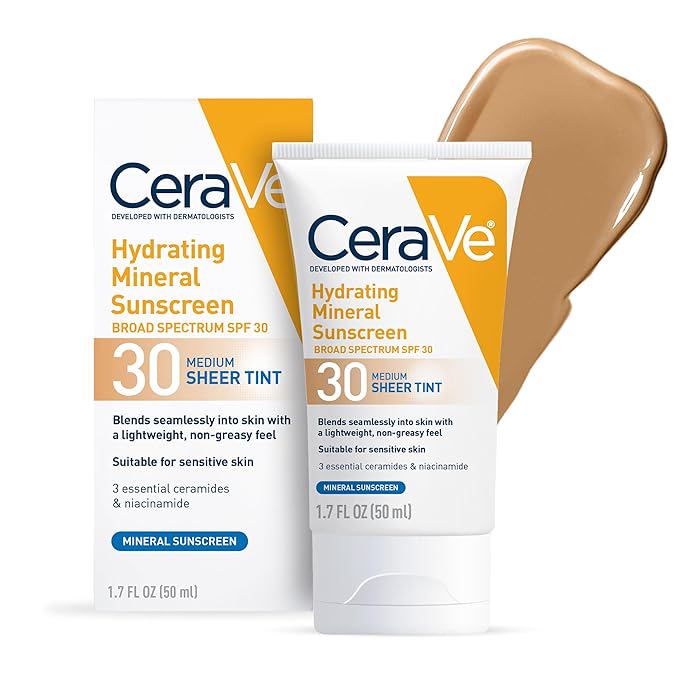
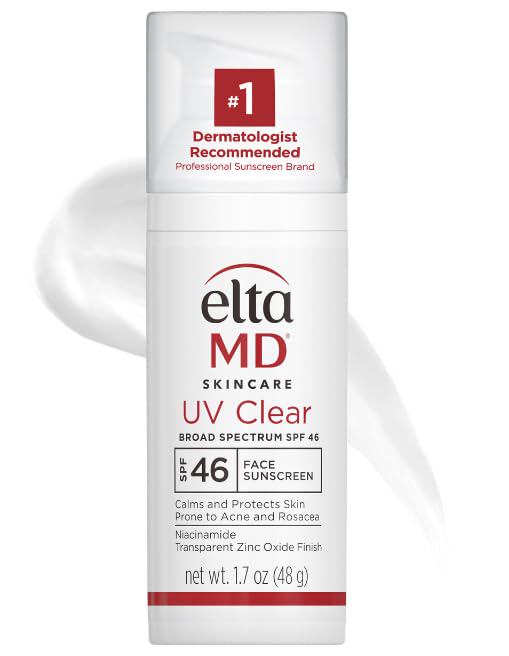
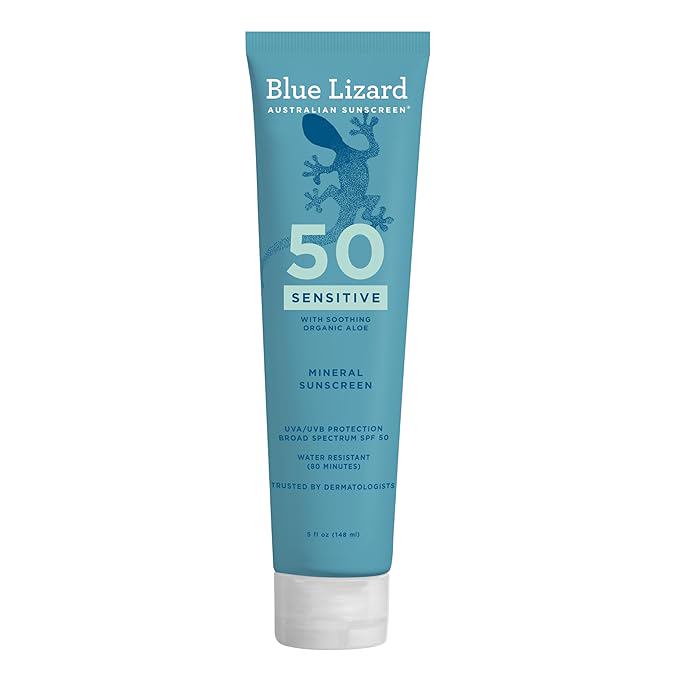
Protect what you have. Daily sunscreen around the eyes is non-negotiable. Use a mineral-based SPF 30 or higher that is formulated for the eye area, or wear UV-blocking sunglasses regularly. This is the single most effective step to prevent further collagen breakdown.
Use targeted ingredients. Retinoids—whether over-the-counter retinol or prescription-strength—have the strongest research supporting their ability to stimulate collagen synthesis. Peptides and vitamin C also play supportive roles in signaling collagen production and protecting existing fibers from oxidative damage. Start slowly with any active ingredient near the eyes, as the skin is far more reactive than the rest of the face.
Support from within. While the supplement market is crowded, specific collagen peptides (hydrolyzed collagen) have shown promise in clinical trials for improving skin elasticity and hydration when taken consistently for at least eight to twelve weeks. Vitamin C is a necessary cofactor for collagen synthesis, so ensuring adequate intake through diet or supplementation is equally important.
These two subtle signs—a deepening eyelid crease and lingering expression lines under the eyes—are early indicators that your skin’s collagen matrix is shifting. They are not cause for alarm, but they are worth paying attention to. Catching them early means you have the widest window for intervention, whether that means adjusting your skincare routine, being more diligent about sun protection, or looking into professional treatments like microneedling or laser therapy with a board-certified dermatologist.
The skin around your eyes tells a story. It is worth listening to it before the volume gets louder.