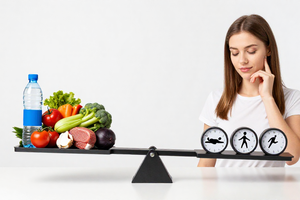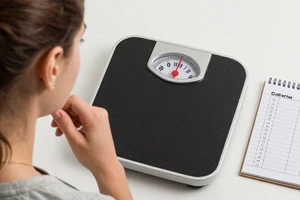

Dropping pounds fast can feel like a win, but not all weight loss is created equal. If the number on the scale is going down but your energy is dragging, your strength is fading, or your shape is changing in ways you don’t like, you might be losing muscle instead of fat. Muscle is metabolically active tissue — it helps you burn calories even at rest. When you lose it, your metabolism slows, and keeping weight off becomes harder.
Here are two telltale signs that your current routine might be eating into your muscle mass, along with what to do about it.
Sign #1: Your strength is dropping — not just your weight
If you used to lift a certain weight at the gym or complete a set of pushups without breaking a sweat, and now you’re struggling, that’s a red flag. Muscle loss often shows up as a measurable decline in strength before you see it in the mirror. When the body is in a calorie deficit — especially if you’re cutting calories too aggressively or skimping on protein — it can break down muscle tissue for energy.
This is different from the normal fatigue you feel after a hard workout. We’re talking about a consistent, week-over-week drop in performance. Your reps dwindle. Your usual jog feels heavier. If your body is telling you it can’t do what it used to, listen.
A quick reality check: If you’re losing more than 1–2 pounds per week, some of that loss is likely muscle.
Sign #2: You feel tired and run down, even after rest days
Muscle isn’t just for show — it’s a reservoir of energy and recovery power. When you lose muscle, your body’s ability to repair itself and maintain energy levels takes a hit. If you’re sleeping enough but still waking up groggy, or you feel mentally foggy and irritable, that can be a sign your body is breaking down its own protein stores to keep basic functions going.
Low energy that persists beyond a tough workout week often points to inadequate nutrition to support muscle retention. Your body needs enough calories, protein, and carbohydrates to fuel exercise and recovery. When those are lacking, muscle tissue gets sacrificed.
How to protect your muscle while losing fat
The good news is you don’t have to choose between fat loss and muscle. You can preserve — even build — muscle while dropping body fat if you approach it smartly.
Prioritize protein at every meal
Aim to include a source of protein — eggs, Greek yogurt, chicken, fish, tofu, beans — in each meal and snack. Protein provides the amino acids your muscles need to repair and stay strong. Spread it out across the day rather than loading up at dinner.
Keep strength training in your routine
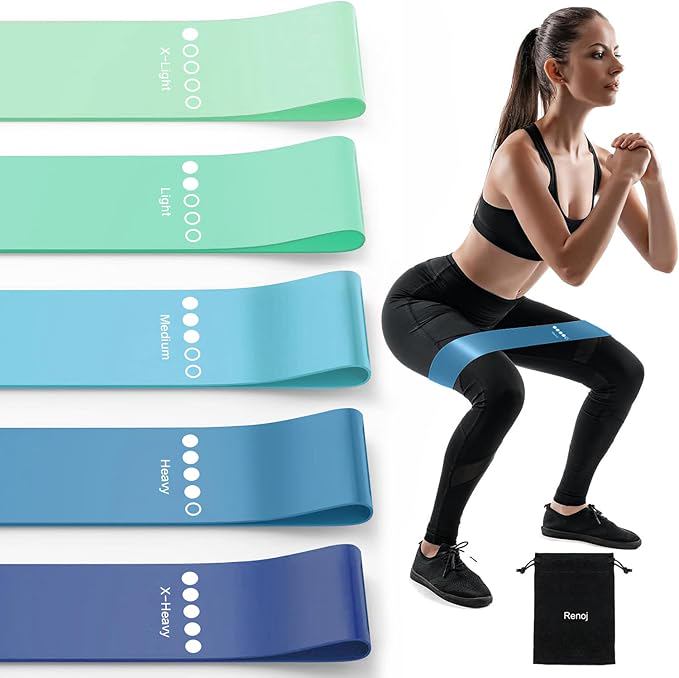
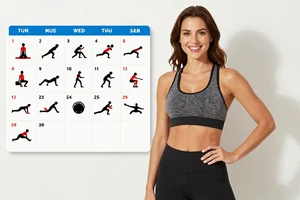
Cardio alone can burn fat, but it doesn’t send a strong signal to your body to hold onto muscle. Resistance training — lifting weights, bodyweight exercises like pushups and squats, or resistance band work — tells your body, “We need this muscle, keep it.” Even two to three sessions per week can make a difference.
Avoid extreme calorie cuts
Severely restricting calories (eating under 1200 for most women or 1500 for most men, for example) almost guarantees muscle loss. Aim for a modest deficit of 300–500 calories below maintenance, which supports steady fat loss without cannibalizing muscle.
Don’t skip carbs entirely
Carbs are your body’s primary fuel for exercise. If you cut them too low, your workouts suffer, and your body may turn to muscle for energy. Focus on whole-food sources like oats, sweet potatoes, quinoa, and fruit — not processed sugars.
Bottom line: The scale doesn’t tell the whole story. If you’re losing weight but feeling weaker and more tired, it’s time to adjust your approach. Focus on nourishing your body, lifting heavy things, and letting fat loss happen at a sustainable pace. Your muscles (and your metabolism) will thank you.