Choosing a vegetarian diet is a powerful step for your health and the planet. But sometimes, amidst the colorful plates of vegetables, grains, and legumes, a crucial piece can get overlooked: protein. It’s not about eating mountains of tofu at every meal, but about a consistent, mindful approach to this essential nutrient. When your intake dips too low, your body sends clear signals. Recognizing them early is the key to feeling your vibrant best.
Protein is the building block of life. It repairs tissues, builds enzymes and hormones, and supports a strong immune system. For vegetarians, getting enough requires a bit more intention than simply removing meat, but it’s far from complicated. It’s about knowing what to look for and making small, sustainable tweaks to your daily eating patterns.
How do you know if you’re not getting enough protein?
Your body is an excellent communicator. A lack of adequate protein often shows up in subtle but persistent ways. Two of the most common signs are a nagging sense of fatigue and a feeling of weakness, especially during or after physical activity you used to handle with ease.
1. Persistent fatigue and low energy
You’re sleeping enough, but you still feel like you’re running on empty by mid-afternoon. This kind of fatigue isn’t just about being tired; it’s a deep-seated lack of energy that makes even simple tasks feel like a chore. Protein helps stabilize blood sugar by slowing the absorption of carbohydrates. Without that steadying influence, energy levels can spike and crash, leaving you feeling drained.
Think of protein as the slow-burning log on your metabolic fire, providing sustained warmth and energy long after the kindling of simple carbs has burned out.
2. Muscle weakness and slow recovery
Notice your muscles feeling weaker, or taking much longer to recover after a workout? Maybe carrying groceries feels harder, or you’re unusually sore for days after a gym session. Protein is fundamental for repairing and maintaining muscle tissue. When intake is insufficient, your body can’t effectively rebuild these tissues, leading to weakness, prolonged soreness, and a frustrating plateau in strength.
Other signs can include frequent hunger soon after meals, brittle hair and nails, or getting sick more often. If you’re experiencing several of these, it’s worth taking a closer look at your plate.
Simple, sustainable fixes for your vegetarian diet
The good news is that correcting a protein shortfall is straightforward and doesn’t require a complete diet overhaul. It’s about strategic additions and smart combinations. Here are practical ways to boost your intake effortlessly.
Prioritize protein at every meal
Instead of thinking of protein as just the main event at dinner, distribute it throughout your day. Aim to include a source in every meal and snack. This provides a constant supply of amino acids to your body and helps manage hunger and energy.
- Breakfast: Swap plain oatmeal for one stirred with a scoop of nut butter or a serving of Greek yogurt. Add chia seeds or hemp hearts to your smoothie.
- Lunch: Turn a simple salad into a satisfying meal by adding a cup of chickpeas, lentils, or a serving of quinoa.
- Snacks: Reach for a handful of almonds, edamame, or a small cup of cottage cheese instead of a purely carbohydrate-based snack.
Master the art of protein pairing
Most plant proteins are “incomplete,” meaning they lack one or more of the nine essential amino acids our bodies can’t make. The solution is simple: combine complementary proteins throughout the day. You don’t need to eat them at the exact same meal.
Classic, easy pairings include:
- Beans with rice or tortillas
- Hummus (chickpeas) with whole-wheat pita
- Lentil soup with a slice of whole-grain bread
- Peanut butter on whole-grain toast
Incorporate versatile, high-protein staples
Keep a few powerhouse ingredients on hand to easily elevate any meal.
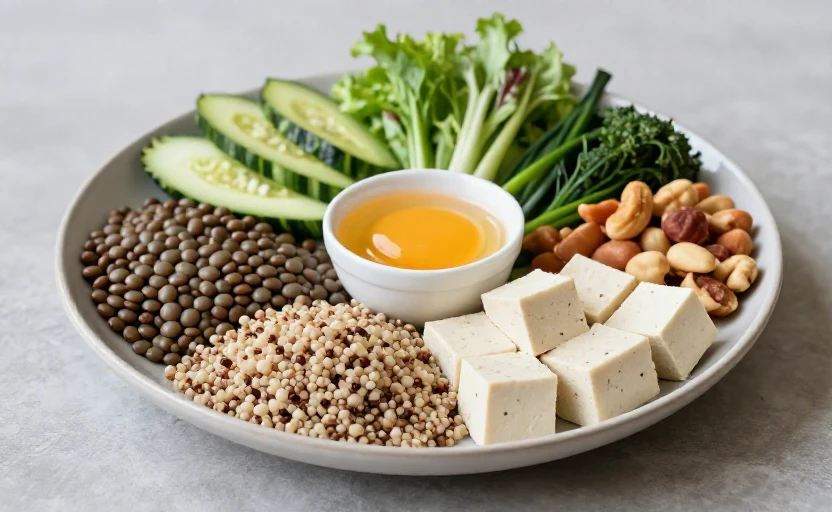
- Lentils: Quick-cooking and perfect for soups, stews, salads, and even vegetarian “meat” sauces for pasta.
- Tofu and Tempeh: Excellent sponges for flavor. Try baking, scrambling, or blending tofu into creamy dressings. Tempeh has a firmer, nuttier texture great for stir-fries.
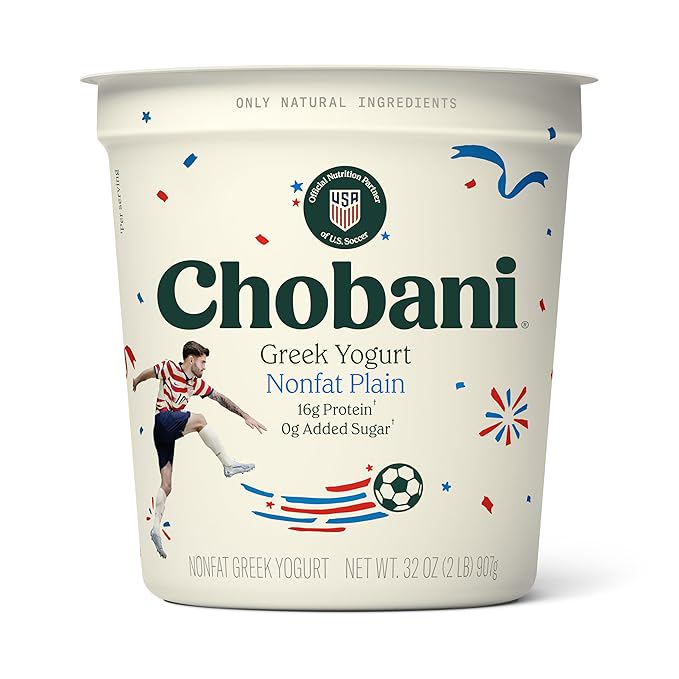
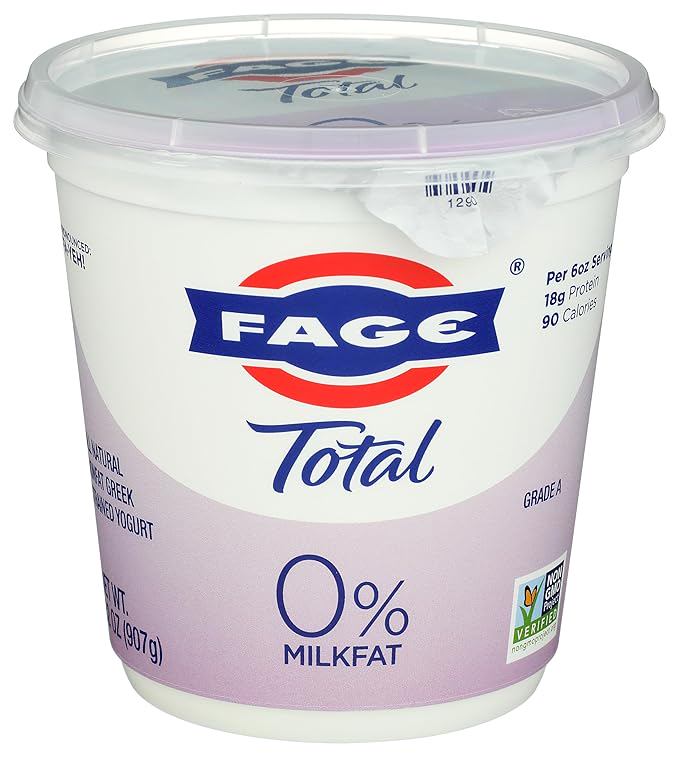
- Greek Yogurt or Skyr: Their protein content is significantly higher than regular yogurt. Use them as a base for breakfast bowls, dips, or as a sour cream substitute.
- Quinoa: A complete protein all on its own. Use it as a base for grain bowls, in place of rice, or even in breakfast porridge.
Remember, variety is your friend. Rotating through different protein sources not only prevents boredom but also ensures you get a wide spectrum of other nutrients.
A note on balance and listening to your body
While focusing on protein, don’t neglect the other pillars of your vegetarian diet: a rainbow of vegetables, healthy fats, and complex carbohydrates. They all work together. If you’ve made consistent changes but still feel off, consider speaking with a registered dietitian or your doctor. They can help you review your overall diet and rule out any other potential causes for your symptoms.
Transitioning to or maintaining a vegetarian lifestyle is a journey. By tuning into your body’s signals and making these mindful adjustments, you can ensure your diet is fully supporting the energy and strength you need to thrive.