
You’ve swapped your morning toast for a gluten-free muffin or chosen a bowl of certified oats, hoping it will power you through until lunch. But by 10:30 a.m., your stomach is rumbling, your energy is dipping, and you’re already thinking about a snack. If this sounds familiar, you’re not alone. A gluten-free breakfast can sometimes leave you feeling unsatisfied, not because gluten-free itself is the problem, but because of what might be missing from your plate.
Let’s look at two common signs that your gluten-free breakfast isn’t providing the staying power you need, and what you can do about it.
Sign 1: You’re Hungry Again Within an Hour or Two
This is the most direct signal. If your breakfast feels like a distant memory shortly after you’ve finished it, the issue often comes down to macronutrient balance—specifically, a lack of protein, healthy fats, or fiber.
Many conventional gluten-free breakfast items, like certain cereals, breads, or pastries, are made with refined gluten-free flours (like white rice flour or tapioca starch). These can be digested quickly, causing a rapid rise and fall in blood sugar. Without other nutrients to slow that process, hunger returns fast.
A truly satisfying breakfast combines nutrients that digest at different rates.
To build a more sustaining meal, think beyond just replacing gluten. Consider adding:
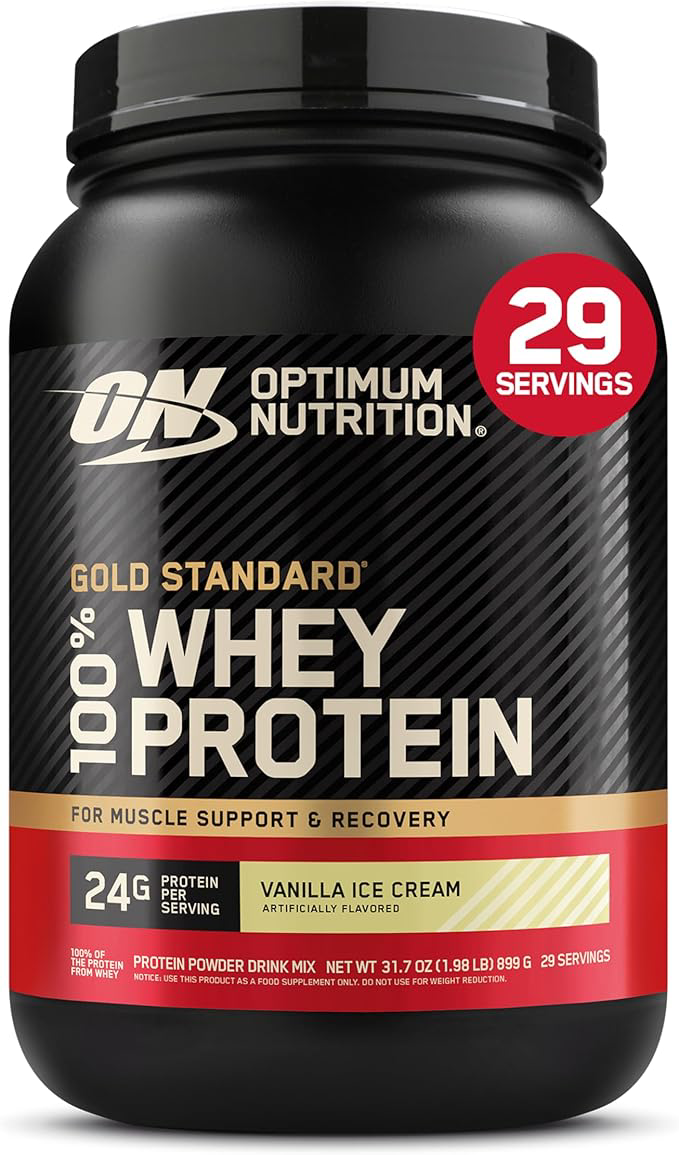
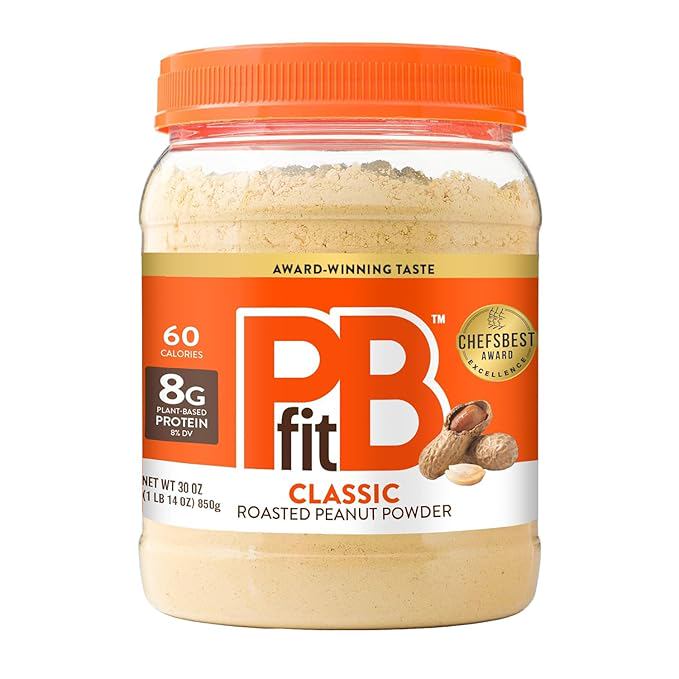
- Protein: Eggs, Greek yogurt (check for gluten-free certification if needed), cottage cheese, a scoop of nut butter, or a plant-based protein powder blended into a smoothie.
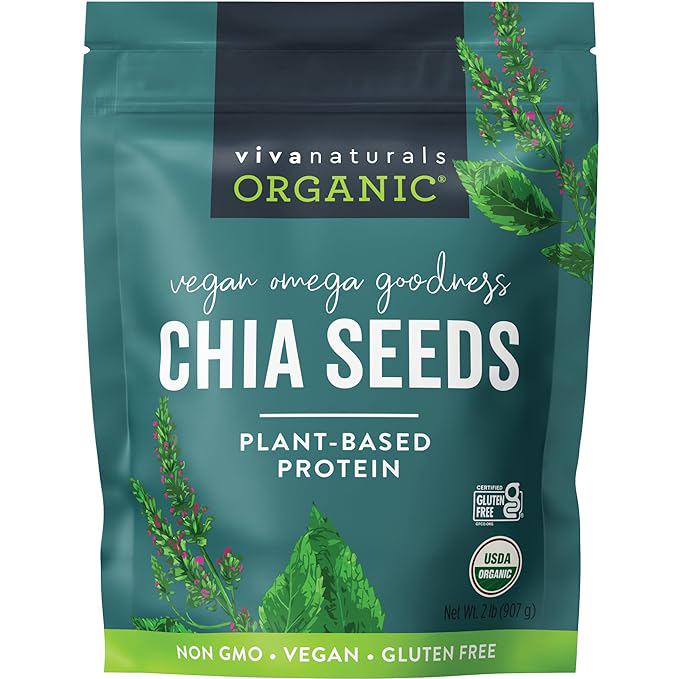
- Healthy Fats: Avocado, nuts, seeds (like chia, flax, or hemp), or a drizzle of olive oil on savory dishes.
- Fiber: This is crucial. Opt for whole-food gluten-free grains like oats (certified gluten-free), quinoa, or buckwheat. Don’t forget non-starchy vegetables like spinach, peppers, or mushrooms, which add volume and fiber with few calories.
Sign 2: You Experience a Mid-Morning Energy Crash
Hunger isn’t the only clue. A noticeable drop in energy, focus, or mood mid-morning can also point to a breakfast that’s too reliant on simple carbohydrates.
When a meal is high in refined carbs and sugars—even gluten-free ones—it can lead to a spike in blood sugar followed by a sharp drop. This crash is what leaves you feeling sluggish, foggy, and reaching for more quick fuel.
Gluten-free doesn’t automatically mean low-glycemic. Many gluten-free packaged foods add extra sugar or use refined flours to improve texture and taste.
How to Create Steadier Energy
Focus on minimizing added sugars and pairing any natural carbohydrates (like fruit) with protein or fat. For example:
- Instead of a plain gluten-free fruit muffin, have a smaller piece alongside two hard-boiled eggs.
- If you love smoothies, blend spinach, berries, a healthy fat like avocado, and a protein source like yogurt or protein powder, rather than just fruit and juice.
- Choose certified gluten-free old-fashioned oats over highly processed gluten-free cereal. Top them with nuts and seeds for a slower energy release.
Building a Better, More Filling Gluten-Free Breakfast
The goal isn’t to complicate your morning but to shift your framework. Think of your plate in terms of components that work together.
Here are a few balanced ideas:
- Savory Oatmeal: Cook certified gluten-free oats with broth or water. Top with a fried egg, sautéed greens, and a sprinkle of seeds.
- Power Bowl: Start with a base of quinoa or roasted sweet potato. Add black beans, salsa, avocado, and a dollop of plain yogurt.
- Simple Plate: Two scrambled eggs with a side of sautéed spinach and mushrooms, plus a small serving of sliced avocado.
- Updated Smoothie: Blend unsweetened almond milk, a handful of spinach, half a banana, a tablespoon of almond butter, and a scoop of plain protein powder.
It’s also helpful to pay attention to how you feel after eating. Keep a brief mental note: Did that breakfast keep you satisfied for 3-4 hours? Did your energy remain stable? This feedback is your best guide for tailoring choices to your body’s needs.
A Note on Portion Sizes and Hydration
Sometimes, the issue is simply not eating enough. Gluten-free alternatives can sometimes be less dense or smaller in volume than their wheat-based counterparts, so you might unintentionally be consuming fewer calories. Ensure your breakfast portion is adequate for your needs.
Also, don’t overlook hydration. Thirst can sometimes masquerade as hunger. Starting your day with a glass of water and staying hydrated can help you better interpret your body’s true hunger signals.
Ultimately, a gluten-free breakfast that keeps you full and energized is entirely achievable. It’s about moving from just removing gluten to intentionally adding the proteins, fats, and fibers that create lasting satisfaction. Listen to your body’s signals—they’re telling you exactly what it needs to feel its best all morning long.