You might assume that a daily moisturizer with SPF 15 has you covered. Or that a gray sky means you can skip protection altogether. But UV damage works on a slow, cumulative clock—and two common habits are quietly undoing your skin's repair work, making fine lines deeper and more stubborn than they need to be.
Here is what those mistakes look like in real life, and how to close the gap without overhauling your entire morning.
Mistake No. 1: Treating SPF as a one-and-done application
The single biggest error I see is applying sunscreen once in the morning and assuming it lasts all day. UV exposure is cumulative, and even a high-SPF product begins to break down after about two hours of direct sunlight. If you drive with the windows down, sit near a window at work, or step out for a lunch errand, that single morning layer is no longer providing uniform coverage by early afternoon.
This matters because UVA rays—the ones that penetrate clouds and glass—are the primary driver of collagen breakdown. When collagen frays, the skin loses structural support, and fine lines around the eyes, mouth, and forehead become more pronounced. The damage isn't visible immediately; it accumulates silently over months and years.
What to do instead: If you are spending more than 20 minutes outside between 10 a.m. and 4 p.m., reapply a broad-spectrum SPF 30 or higher at least once. For days at a desk, a powder SPF or a setting spray with zinc oxide can be a practical way to top off without disturbing makeup.
Mistake No. 2: Relying on moisturizer SPF as your primary defense
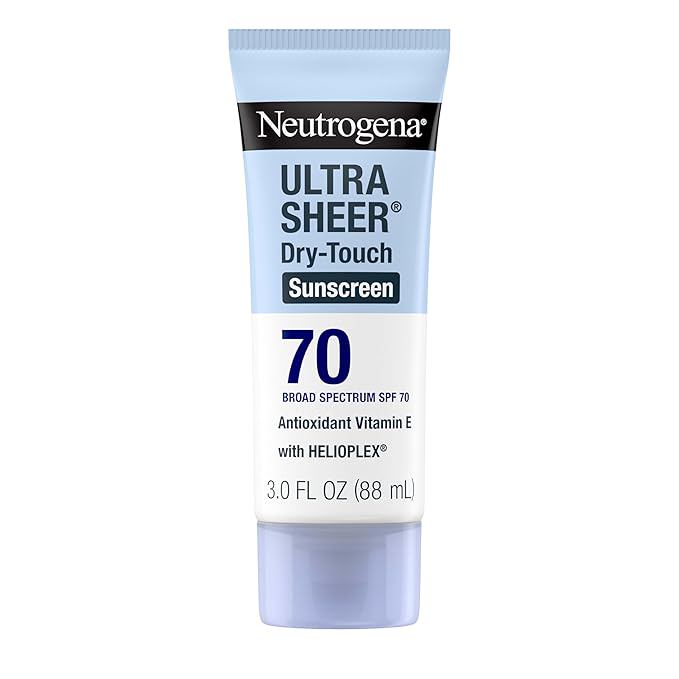
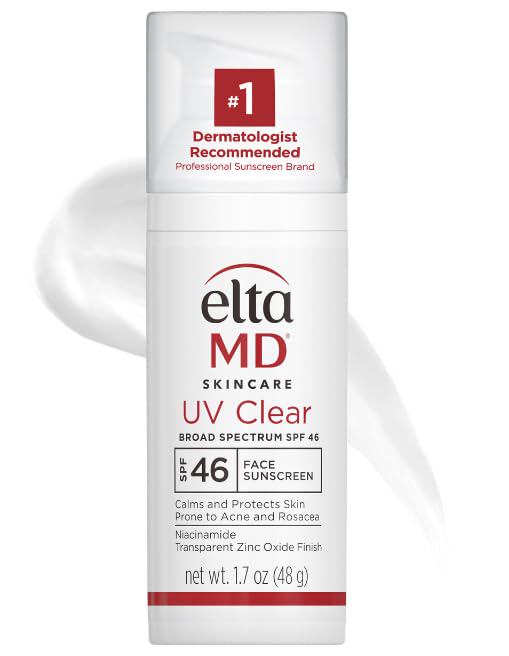
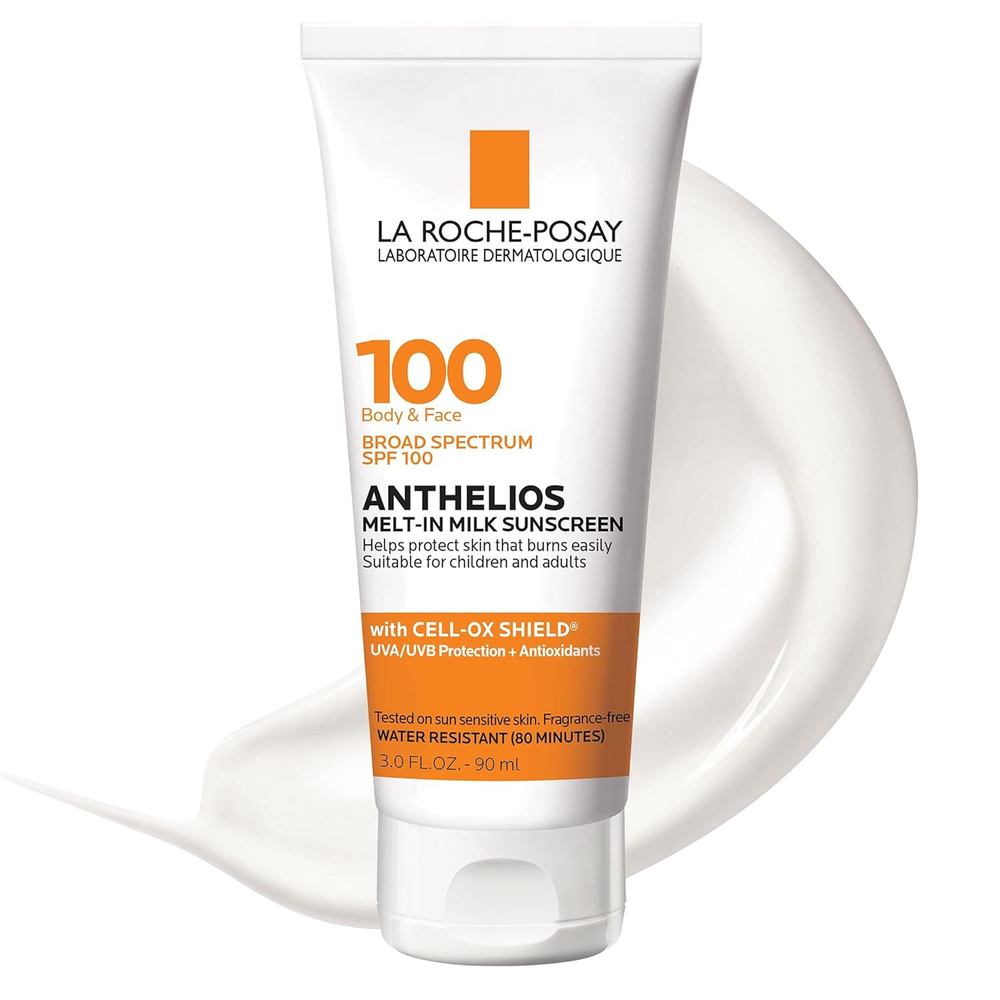
This one trips up even meticulous skincare enthusiasts. A day cream or tinted moisturizer with SPF 15 or 20 feels like a smart multitasker—and it is better than nothing—but it rarely delivers the level of protection your skin actually needs to prevent photoaging. Most people do not apply enough moisturizer to reach the labeled SPF. You need roughly a nickel-sized dollop for your face alone—about half a teaspoon—just to hit the number on the bottle. Most of us use a quarter of that.
The result is a thin, uneven film that leaves large areas—especially the temples, jawline, and sides of the nose—underprotected. Over time, those missed zones develop more pronounced fine lines and a crepe-like texture that is harder to reverse.
How to fix it without wasting product
- Use a standalone sunscreen after your moisturizer, not instead of it. A dedicated formula is designed to form an even film, and it spreads more reliably at the correct thickness.
- Look for “broad spectrum” on the label. This ensures protection against both UVA and UVB rays.
- If you prefer a moisturizer with SPF for morning convenience, layer a sunscreen on top of it—not as an alternative. That extra step takes 30 seconds and makes a measurable difference over decades.
Why UV damage makes fine lines worse over time
Think of UV exposure as a constant, low-grade irritation that triggers inflammation in the dermis. That inflammation activates enzymes called matrix metalloproteinases, which break down collagen and elastin fibers. Once those fibers are degraded, the skin cannot fully repair them. The result is a gradual loss of bounce and volume, which turns dynamic expression lines (the ones you see when you smile) into static lines that stick around all day.
Fine lines around the eyes are especially vulnerable because the skin there is thin and produces less oil. It has fewer natural defenses, so the same amount of UV exposure causes more damage per square millimeter. That is why the crow's-foot area is often the first place to show consistent signs of photoaging.
Three simple shifts that protect your progress
- Reapply strategically. Set a phone alert for two hours into your outdoor time. A small sunscreen stick in your bag makes reapplication quick and less messy.
- Check your product's UV filters. Mineral filters (zinc oxide, titanium dioxide) start working immediately and are less likely to irritate sensitive skin. Chemical filters (avobenzone, octinoxate) need about 15 minutes to absorb before they are effective.
- Use physical barriers when possible. A wide-brimmed hat, UV-protective sunglasses, and window tinting in your car reduce the total UV load on your skin even if you forget to reapply. Think of these as your backup layer.
The goal is not perfection—it is consistency. Most people are already using some form of sun protection. By closing the two routine gaps described here, you give your skin a real chance to maintain the collagen it has and slow the deepening of those fine lines.