
You finish a long day of back-to-back video calls, your eyes feel gritty, and a dull ache has settled at the base of your skull. It’s easy to dismiss this as just another tiring day, but what if your body is trying to tell you something more specific? The connection between prolonged screen use and mental strain isn't just in your head—it's written in the physical language of your body. Recognizing these signals is the first step toward reclaiming a sense of calm.
When we talk about screen-induced stress, we often focus on the mental clutter: the anxiety from endless notifications, the pressure of an always-on inbox. Yet chronic stress, the kind fueled by constant digital engagement, doesn't stay confined to your thoughts. It manifests in tangible, physical ways. Your posture shifts, your breathing becomes shallow, and a host of subtle tensions take root. Learning to read these bodily signs allows you to intervene before that low-grade stress escalates into burnout.
Sign 1: The Screen-Time Squint and Its Aftermath
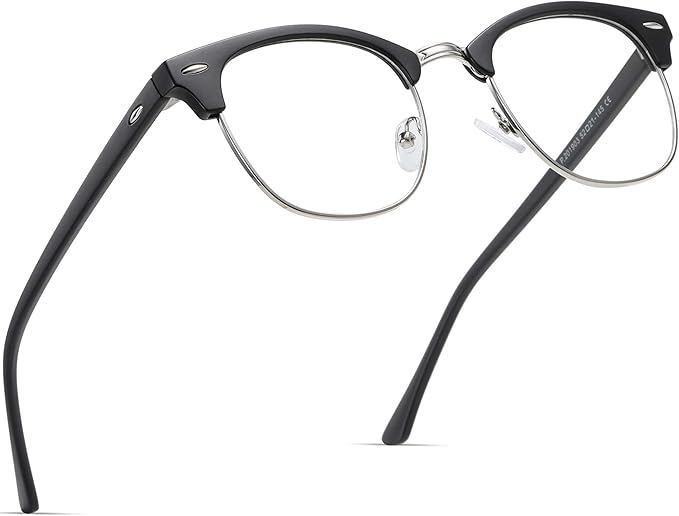
One of the most direct physical signs is centered around your eyes and the muscles that support them. Staring at a fixed distance for hours—especially at a bright, blue-light-emitting surface—forces your ocular muscles into a sustained state of contraction. This isn't the occasional blink-and-refocus of looking around a room; it's a locked, static strain.
You might notice it as a tightening around your temples or a persistent ache behind your eyes. This often evolves into tension headaches, typically felt across the forehead or at the temples. It’s your body’s protest against the unrelenting visual demand. This squint isn't just about brightness; it's also a subconscious response to cognitive overload, as if you're physically bracing against the flood of information.
Your eyes are not designed for marathon focus on a single, glowing plane. The strain you feel is a legitimate physiological response.
Beyond the ache, pay attention to other ocular signals: dry, irritated eyes from reduced blinking, blurred vision when you finally look away, or increased sensitivity to light. These aren't mere inconveniences. They are direct feedback that your visual system is overworked, a primary pathway through which screen time translates into physical stress.
Sign 2: The Hunched Posture of Digital Defense
The second major sign involves your posture, particularly in your neck, shoulders, and upper back. It often starts subtly: shoulders creeping toward your ears, your head jutting forward to get closer to the screen, your spine slowly curling into a C-shape. This is sometimes called “tech neck” or “text neck,” and it’s a posture of both focus and defense.
This forward head posture places enormous strain on your cervical spine. For every inch your head moves forward from its neutral alignment, the effective weight on your neck muscles and spine increases significantly. The muscles in the back of your neck and your upper back (like the trapezius) must work overtime to hold you up, leading to knots, stiffness, and chronic pain.
This posture is physically stressful, but it’s also physiologically linked to your stress response. A hunched, closed-off position can actually feed feelings of anxiety and helplessness, while also restricting deep, diaphragmatic breathing. You tend to take shallower breaths, which can heighten feelings of stress and panic, creating a vicious cycle where physical form amplifies mental strain.
- Check your position right now: Are your shoulders relaxed and down, or are they tensed up near your ears?
- Notice your head: Is it balanced over your spine, or is your chin jutting forward toward the screen?
- Feel your breath: Is it full and deep into your belly, or shallow and high in your chest?
Why These Signs Matter Beyond Simple Discomfort
Ignoring the screen-time squint and the digital hunch does more than leave you with a sore neck and tired eyes. When left unaddressed, these physical states can perpetuate a chronic stress cycle. Muscle tension can trigger headaches and migraines. Poor posture can lead to compressed nerves and reduced circulation. Shallow breathing keeps your nervous system in a subtle but constant state of alert.
This physical stress load makes it harder to mentally detach and recover from work or social media. You carry the physical residue of the digital world with you long after you log off, which can erode sleep quality, reduce your tolerance for other stressors, and impact your overall sense of well-being. Your body remains in a low-grade “fight or flight” mode, even when you're trying to relax.
Practical Steps to Reset and Reclaim Calm
The goal isn't to eliminate screens—that's rarely practical—but to break the physical patterns of stress they encourage. The interventions are simple, but they require consistent practice.
First, address the visual strain. Follow the 20-20-20 rule: every 20 minutes, look at something at least 20 feet away for 20 seconds. This gives your focusing muscles a crucial break. Consciously blink more often to moisten your eyes. Adjust your screen's brightness to match the ambient light in the room, and consider using a blue light filter in the evening.
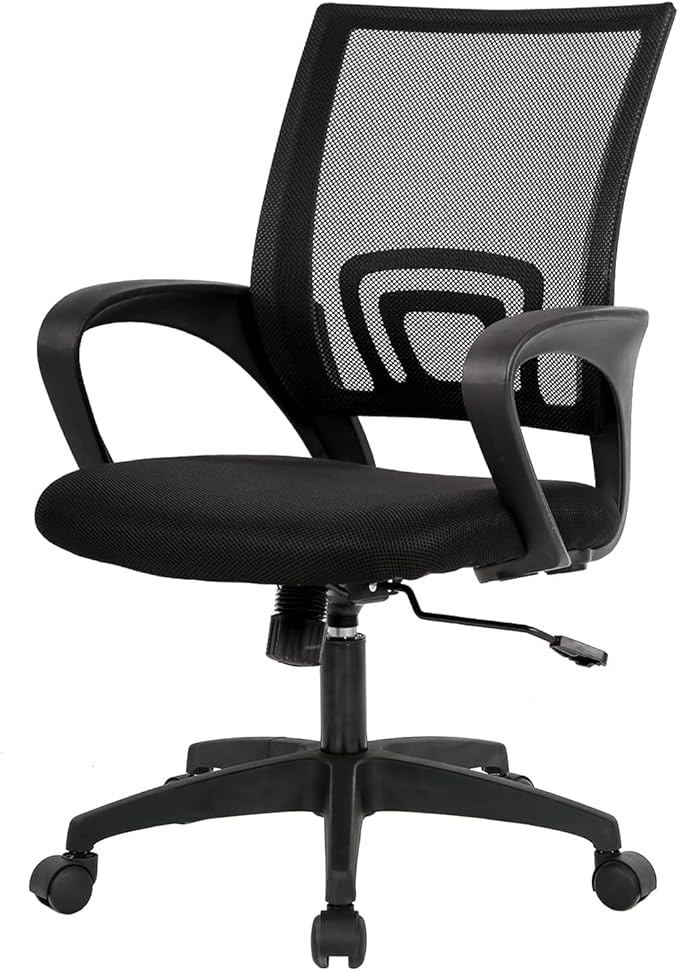
Second, reset your posture. Set reminders to check in with your body. Gently roll your shoulders back and down. Draw your head back so your ears align over your shoulders. Ensure your workstation supports you: your screen should be at eye level so you're not looking down or craning your neck.
Incorporate micro-movements throughout your day. Neck tilts, shoulder rolls, and chest-opening stretches counteract the hunch. Most importantly, reconnect with your breath. Taking five slow, deep breaths—focusing on a long exhale—can directly signal your nervous system to shift out of stress mode.
Your body is a faithful messenger. The tension behind your eyes and the weight on your shoulders are more than just fatigue; they are clear indicators that your screen habits are creating an unhealthy physical burden. By learning to recognize these signs and responding with small, compassionate resets, you can manage the physical cost of digital life. It’s about creating a dialogue with your body, where you listen to its signals and grant it the breaks it needs to find balance again.