We often think of stress as a mental or emotional state—a feeling of being overwhelmed, anxious, or rushed. But stress, particularly the chronic kind that builds from the relentless pace of daily life, has a profound physical language. It speaks through your body long before you might consciously acknowledge feeling "stressed out." When your daily activity level tips from productively busy into a state of unhealthy, sustained pressure, your body will send signals. Learning to recognize these physical signs is the first step toward recalibrating your pace and protecting your well-being.
What does "unhealthy stress" from daily activity actually mean?
Not all stress is bad. Short-term, manageable stress can be motivating. Unhealthy stress, however, is the kind that becomes a constant background hum. It's the stress that doesn't switch off because your obligations—work, family, social, personal—create a treadmill you feel you can't step off. This state places your nervous system in a prolonged state of high alert, which begins to wear down your physical health in specific, tangible ways.
The first sign: A body that won't fully relax
One of the clearest physical indicators is a persistent state of muscular tension that you may have started to tune out. This isn't just about feeling stiff after a workout; it's a low-grade, ever-present tightness that has become your new normal.
You might notice it in your jaw, often clenched tight, especially during sleep or focused work. You may catch yourself with your shoulders hunched up toward your ears, only to consciously drop them, finding they creep back up minutes later. This tension can manifest as frequent tension headaches that start at the base of your skull, or as a stiff, aching neck.
Your body is literally bracing for impact, even when there's no immediate threat—a classic sign of chronic stress.
This isn't just discomfort. Chronic muscle tension can lead to reduced circulation, trigger points of pain, and can even affect your posture and breathing patterns, creating a feedback loop that signals more stress to your brain.
How to check in with your body
Take a quiet moment to scan from head to toe. Are your eyebrows furrowed? Is your tongue pressed against the roof of your mouth? Are your fists subtly clenched? This pervasive tightness is your body's plea for a release valve.
The second sign: A sleep cycle that feels broken
The second major physical sign revolves around sleep, but it's more nuanced than simple insomnia. Unhealthy stress from non-stop activity creates dysregulation in your sleep-wake cycle, often in contradictory ways.
On one hand, you may feel perpetually tired, dragging through afternoons with brain fog. Yet, when your head hits the pillow, your mind races, replaying the day's tasks or rehearsing tomorrow's. You might fall asleep quickly out of exhaustion but wake up at 3 a.m., alert and anxious, unable to drift back off. This is your nervous system stuck in "on" mode, unable to complete the full, restorative sleep cycle your body desperately needs.
Alternatively, you might sleep for a solid eight hours but wake up feeling just as unrefreshed as when you went to bed. This non-restorative sleep is a hallmark of a system overwhelmed by stress hormones like cortisol, which can disrupt the deeper stages of sleep where physical and mental repair occurs.
Why these two signs are connected
The muscle tension and the disrupted sleep are not separate issues; they fuel each other. A body full of tension cannot easily settle into deep, restful sleep. Poor sleep, in turn, lowers your pain threshold and reduces your capacity to manage stress the next day, making you more prone to muscular tightness. It's a draining cycle that starts with an unsustainable daily pace.
Moving from recognition to recalibration
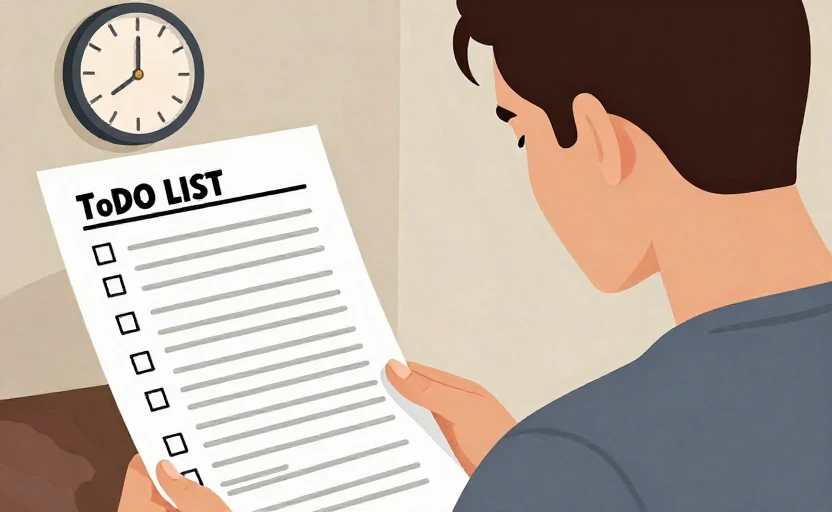
Spotting these signs isn't about adding "manage stress" as another daunting item on your to-do list. It's about gentle, sustainable shifts that signal safety to your nervous system.
Start with your breath. Several times a day, pause for just three slow, deep breaths, focusing on lengthening the exhale. This directly cues your body to dial down the stress response. For the physical tension, incorporate brief, frequent stretches—roll your shoulders, gently tilt your neck, stretch your arms overhead. The goal isn't a full yoga session; it's frequent micro-resets.
To support sleep, create a clear buffer zone between your last task and bedtime. This could be 30 minutes of reading (not on a screen), listening to calm music, or a simple skincare routine. The ritual tells your brain the productive part of the day is over.
Most importantly, audit your daily activity level. Are there obligations you can delegate, postpone, or reframe? Is every hour accounted for, leaving no space for simple downtime? Building even small pockets of unscheduled time is not lazy; it's essential maintenance for a healthy human system.
Your body's signals are valuable data. That stubborn tension and elusive rest aren't personal failures; they are intelligent warnings that your current pace is costing you. By learning their language, you can begin to make the adjustments that allow for a healthier, more sustainable rhythm.