
You might be doing everything "right" — using a nightly retinol, protecting your SPF during the day, drinking your water — yet still catching a crinkling line by 11 a.m. that you swear wasn't there at dawn. It can feel maddening, but in many cases the culprit isn't what you're doing wrong later. It's how you start the day.
After working with dermatologists and estheticians over the years, I keep noticing two patterns in the morning routine that directly affect how quickly fine lines settle in and how visible they become by afternoon. These mistakes are common, fixable, and rarely discussed in the same breath as anti-aging. Let’s get into them.
Mistake #1: Washing Your Face Like It's Still Nighttime
It sounds counterintuitive — of course you wash your face in the morning. But the way you wash it matters. Many people wake up and reach for the same foaming cleanser they use at night to remove makeup, sunscreen, and the day’s grime. That isn't necessary in the morning, and for many skin types, it can backfire.
During sleep, your skin does not accumulate sebum and environmental debris the same way it does during the day. It has also been working overnight to repair its barrier. When you strip that barrier with an aggressive wash first thing, you remove natural moisturizing factors (NMFs) and ceramides that help skin look plump and smooth. The immediate result is a slightly dry, tight-feeling surface that reflects light unevenly — which makes any fine line look deeper than it actually is.
The quick fix: Switch to a gentle, non-foaming cleanser or simply rinse with lukewarm water if you have normal-to-dry or sensitive skin. Save the deep cleanse for the evening.
I've tested this switch myself: skipping foaming washes in the morning left my skin calmer by 10 a.m., and I noticed the dent under my eyes looked less etched in. Esthetician friends explain it as giving the skin a full twelve minutes to rebalance its pH after washing. With a nourishing morning cleanse, those lines simply don't set in as quickly under makeup or moisturizer.
Mistake #2: Skipping (or Misordering) Hydration Layers
The second mistake is subtler but equally impactful: applying thick moisturizer directly to dry skin without any water-based product underneath, or layering active ingredients that dehydrate fine lines further.
Think about it this way: a barrier that hasn't had water first can be resistant to creams. Many of us wake up, apply a vitamin C serum (great for anti-aging), follow with a rich moisturizer, and then sunscreen. It sounds textbook correct. However, if the skin lacks underlying hydration — because you used a strong cleanser or live in dry air — the serum can sit on the surface, the moisturizer can trap no water beneath, and fine lines get emphasized by midday settling and powder or foundation settling into them.
What to try instead
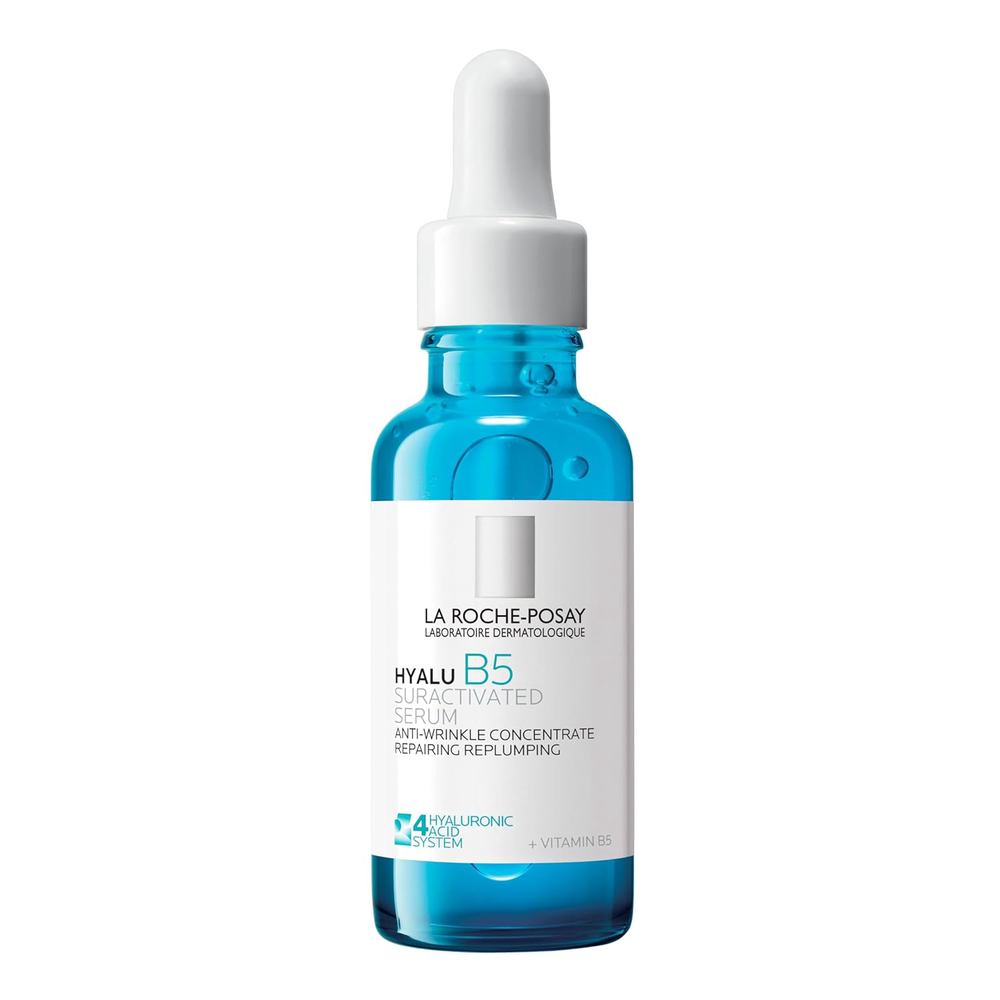
Add a simple hydrating toner or a few drops of a humectant serum (glycerin or hyaluronic acid formulas are widely available) on damp skin after your cold-water rinse and before your antioxidant serum. Pat it in gently. The key is applying any humectant onto skin that's still slightly moist — this ensures water is drawn into the deeper layers rather than pulled from your skin's barrier into the air. Follow with your moisturizer while the face is still a bit tacky. The order sounds small, but it changes how lines look during the entire day.
If you are using vitamin C in the morning (and many anti-aging regimens do), applying it after a hydrating layer means it penetrates more evenly and causes less transient tingling or irritation, which can also cause puffiness lines later. One dermatologist I spoke to calls this the "damp canvas principle." A slightly damp canvas holds paint better; a slightly damp face holds line-smoothing ingredients better.
How these mistakes add up across the day
Neither of these errors creates a wrinkle overnight. But each one creates surface conditions that make fine lines more visible as the day progresses. The morning foam strips the barrier, the missing hydration layer leaves lines to settle deeper, and by four in the afternoon your moisturizer and makeup are sliding off dehydrated patches. The cumulative effect by week three is a chronic look of tiredness around the eyes and forehead.
- UV exposure gets worse. A compromised barrier means UV damage can accelerate collagen breakdown more easily over time.
- Makeup settles into creases. Dry foundation and concealer settle into every line, making them appear twice as deep.
- You perceive yourself as aging faster. The visual feedback can push someone toward more aggressive products that only compound the issue.
The good news: both fixes take less than ninety seconds in your morning routine and don't require buying expensive gear. Just a gentler start to cleansing and a water-based moment before your treatment products.
One more thing about sleep posture
I can't leave this topic without mentioning a non-routine factor that amplifies the morning mistakes above: sleep creases. If you sleep on your side with your face pressed into a pillow, you wake up with temporary lines that look like wrinkles. Without proper morning hydration and barrier support, those lines stick around longer. A silk or satin pillowcase helps reduce friction, but more importantly, the routine changes we just discussed help those sleep lines fade faster once you're upright.
So to review: treat your morning skin as a living organ, not a slate to be scrubbed. Use a water layer before your actives, and be mindful of how cleansing feels — tightness in the morning means you're already losing the anti-aging battle for that day. Fine lines don't have to be your eight a.m. reality.