You wake up for the third time, your pajamas soaked, the sheets tangled. You throw off the duvet, then thirty minutes later you're shivering. Night sweats during perimenopause feel like a cruel trick—your body turning your own bed into an enemy. Most women assume these episodes are just a symptom to endure, or that the only solution is a colder room or a different blanket. But the reality is more nuanced—and much more manageable.
After editing hundreds of pieces on midlife health and speaking with specialists in sleep medicine and endocrinology, I have watched women make two specific mistakes over and over when trying to manage perimenopause night sweats. Correcting these two errors is often the difference between months of disrupted sleep and a reasonably restful night.
Mistake #1: Ignoring the core temperature thermostat
The most common error is assuming night sweats are a surface-level problem—something you can fix with a fan, an ice pack, or lighter sheets. Those measures can help a little, but they miss the underlying driver: your hypothalamus is malfunctioning.
During perimenopause, estrogen levels begin to fluctuate and decline in an irregular, unpredictable pattern. The hypothalamus, the part of your brain that regulates body temperature, is highly sensitive to estrogen. When estrogen drops, the hypothalamus can misread your core temperature. It thinks you are dangerously overheated when you are not. In response, it triggers a massive cooling event: blood vessels dilate, sweat glands activate, and your heart may race. That is the night sweat.
Because the trigger is internal (a misfiring thermostat, not a warm bedroom), external cooling often fails to stop the episode. You can place an ice pack on your neck, but the hypothalamus will keep ordering the flush until the hormonal signal settles. The first mistake, then, is treating night sweats as an environmental problem when they are fundamentally a neuro-hormonal one.
What to do instead
The most evidence-based first-line approach is to address the estrogen instability itself. That does not automatically mean prescription hormone therapy—though for many women that is a safe, effective option worth discussing with a clinician. There are also non-hormonal strategies that target the hypothalamic pathway directly. Certain selective serotonin reuptake inhibitors (SSRIs) and gabapentin have data showing they reduce hot flash and night sweat frequency by acting on the brain's thermoregulatory center. Lifestyle habits like regular aerobic exercise, maintaining a stable body weight, and avoiding alcohol (which dilates blood vessels and can trigger flushes) are also meaningful levers.
The point is: night sweats are not a passive symptom. They are an active signaling event from a confused thermostat. When you treat them like a purely external heat problem, you waste energy on fans and fans alone.
Mistake #2: Flooding your system with sugar and caffeine before bed
Even women who know the first mistake often trip over the second. They understand that night sweats are hormonal, so they focus on supplements or doctor visits—but they continue a daily diet that actively destabilizes their internal temperature regulation.
The two biggest dietary offenders for night sweats are sugar and caffeine. Both provoke a stress response in the body that can lower the threshold for a hot flash or night sweat.
High-glycemic carbohydrates (desserts, white bread, sugary drinks) cause a rapid spike in blood glucose, followed by a sharp drop. That blood sugar rollercoaster stimulates the adrenal glands to release cortisol and adrenaline. Adrenaline is a thermogenic compound—it raises your core temperature and can directly trigger a sweat episode. Many women report that a late-night dessert or a glass of wine correlates with a bad night. The science backs this up. One large study found that women with diets high in added sugars and refined grains reported more frequent and more severe hot flashes and night sweats.
Caffeine acts similarly. It stimulates the central nervous system, increases heart rate, and can elevate core body temperature. For women whose thermoregulatory system is already hypersensitive, that afternoon coffee or evening soda can push them over the edge a few hours later, when its effects on the nervous system are still active.
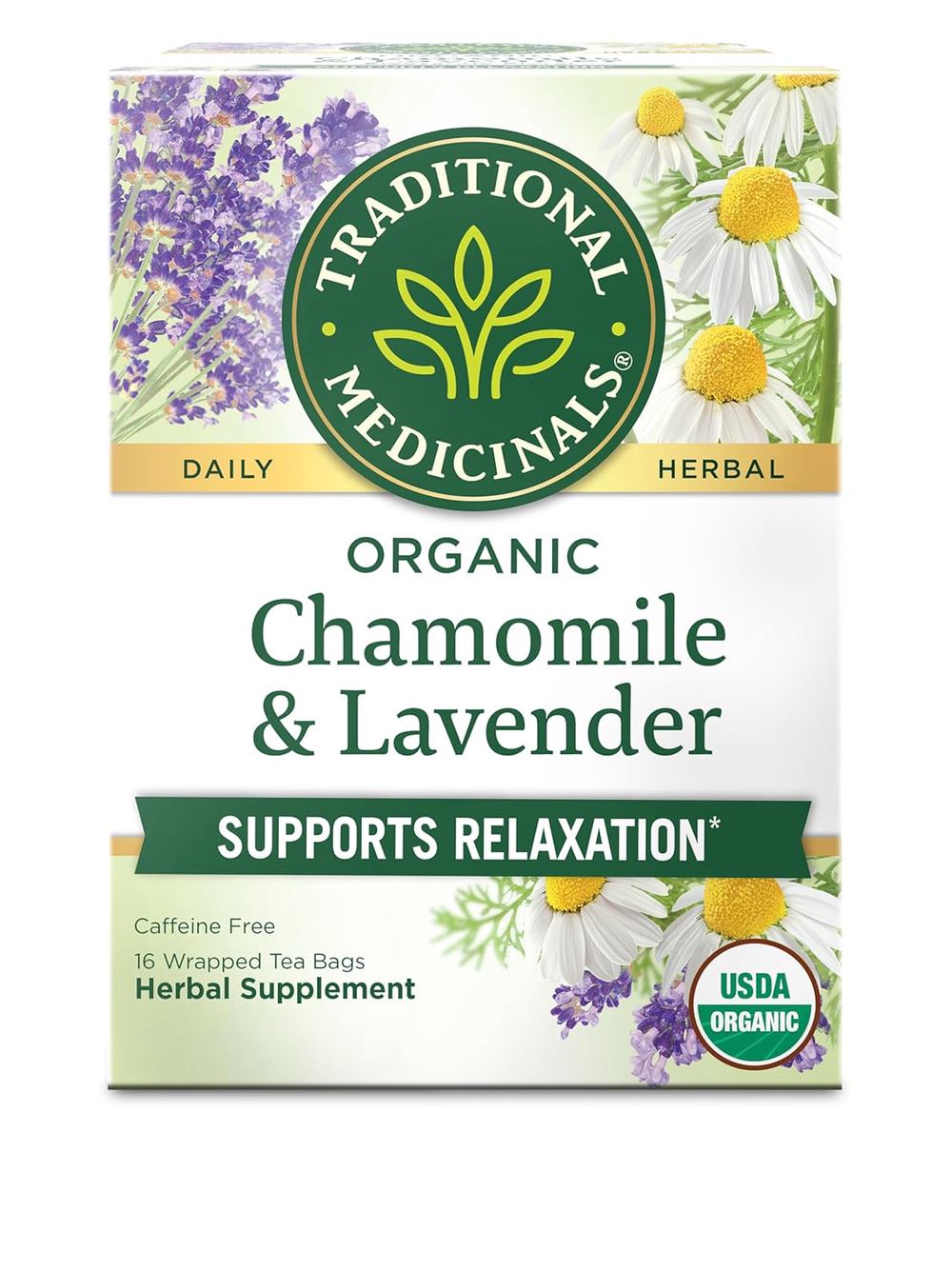
One simple shift: try replacing your after-dinner tea or coffee with a warm herbal blend (like chamomile or peppermint) and notice whether your next night sweat frequency changes within a week.
What to adjust
You do not need a draconian diet. But shifting your last meal of the day toward protein, healthy fats, and low-glycemic vegetables—and cutting off caffeine by early afternoon—can dramatically reduce the number of night sweats you experience. Your confused hypothalamus will have fewer chemical triggers to misinterpret.
Practical checklist for tonight
- Dress in thin, breathable layers. Not because it solves the problem, but because it makes the aftermath less disruptive. A moisture-wicking pajama top you can remove quickly beats a thick cotton nightgown.
- Check your caffeine clock. Finish your last caffeinated drink by 2:00 PM. This gives your body six to eight hours to clear most of it before bedtime.
- Eliminate late-night sugar. If you crave something after dinner, choose a small handful of almonds or a piece of cheese. Avoid fruit juice, cookies, or ice cream within three hours of sleep.
- Consider a bedroom environment around 65°F (18°C). While not a cure, a cooler room means the episode, if it happens, will be less intense and your recovery sleep will come faster.
- Talk to your healthcare provider about your options. Hormone therapy, low-dose antidepressants, or gabapentin are all valid conversations—do not assume you have to suffer through this phase.
Night sweats are one of the most common and most disruptive symptoms of perimenopause. But they are not a hopeless mystery. The two biggest mistakes—treating them as purely environmental and ignoring the dietary triggers of sugar and caffeine—are entirely fixable. When you stop fighting the wrong battle, your body can often find its way back to cooler, calmer sleep.