Retinoids are widely considered the gold standard in nighttime skincare, praised for their ability to smooth fine lines, even out skin tone, and boost collagen production. But even the most dedicated user can run into trouble—redness, peeling, and irritation that make the treatment feel more like a punishment than a routine. While some sensitivity is expected during the adjustment period, dermatologists point out that two lifestyle habits in particular can make retinoid use unnecessarily difficult for your skin.
First, a quick refresher on how retinoids work
Retinoids—including over-the-counter retinol and prescription-strength tretinoin—work by accelerating skin cell turnover. They essentially tell your skin to shed old, dull cells faster and generate new ones. This process, while effective for anti-aging and acne, also leaves the skin more vulnerable to outside stressors, especially UV rays. That’s why you’ll hear every dermatologist insist on nighttime-only use and rigorous sun protection the next day. But photophobia isn’t the only risk; two common lifestyle patterns can interfere with how well your skin tolerates these powerful ingredients.
Lifestyle factor 1: Too much sun exposure (and not enough protection)
It’s not just about forgetting your sunscreen. The real issue is a pattern of cumulative sun exposure that makes your skin more reactive to retinoids. When your skin barrier is already stressed from UV damage—even if you don’t see a sunburn—it’s less equipped to handle the exfoliating action of a retinoid. This can result in prolonged redness, stinging, or a feeling that your skin is “purging” far beyond the normal six-week adjustment window.
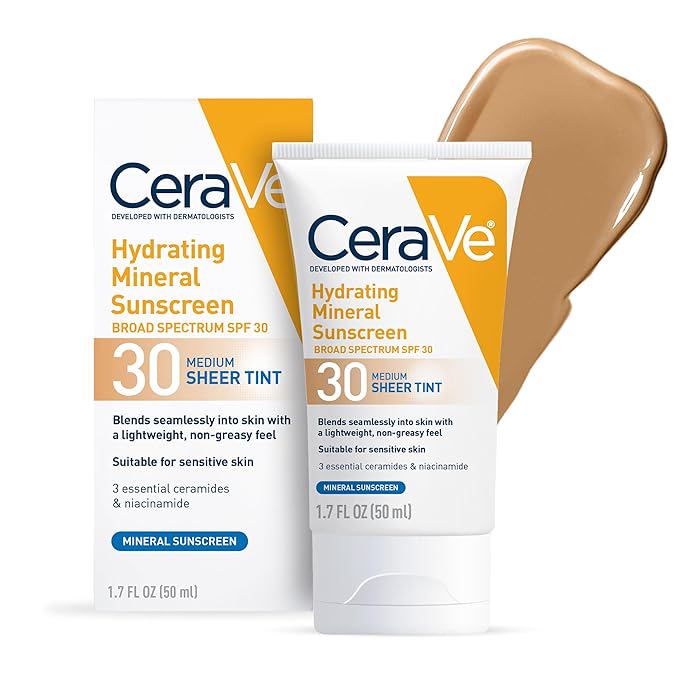
What to do: If you spend time outdoors, combine a broad-spectrum SPF 30 or higher with physical barriers like hats and sunglasses. This isn’t about avoiding the sun entirely, but about giving your skin a fighting chance to repair itself overnight.
Lifestyle factor 2: Layering the wrong products at night
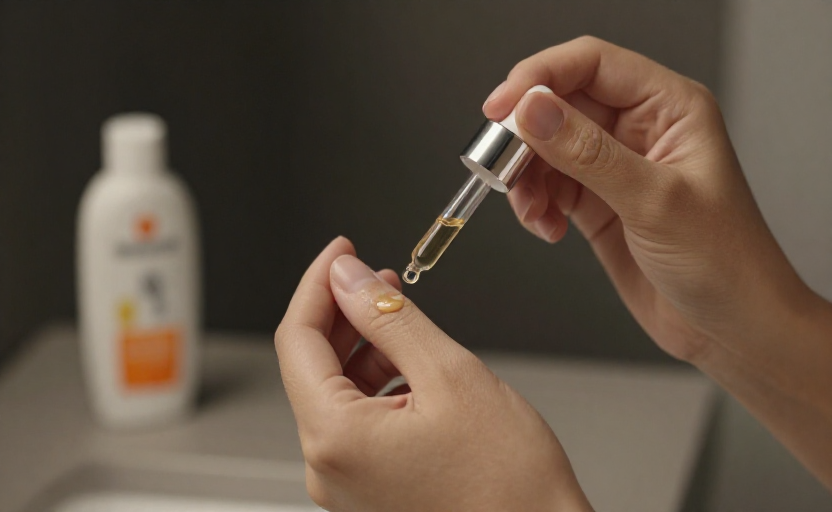
Retinoids work best when applied to clean, dry skin—and they do not play well with every ingredient in your vanity. Two common culprits are exfoliating acids (AHAs and BHAs) and certain essential oils. The source material highlights that essential oils can contain compounds like methoxy psoralen, which can induce irritation when your skin is later exposed to UV rays, heat, or sweat. Using an AHA or BHA in the same routine as a retinoid is a recipe for over-exfoliation, leading to a compromised moisture barrier and painful sensitivity.
Even simple moisturizers can be problematic if they contain fragrance or alcohol, which can magnify the drying effects of retinoids. The goal is to support your skin barrier, not strip it further.
What a safer nighttime routine looks like
- Start with a gentle cleanser. Avoid anything foaming or sulfate-heavy, which can dry out skin before you even apply a retinoid.
- Apply retinoid to bone-dry skin. Wait at least 20 minutes after washing to let the skin fully dry. This reduces the chance of irritation from deep product penetration.
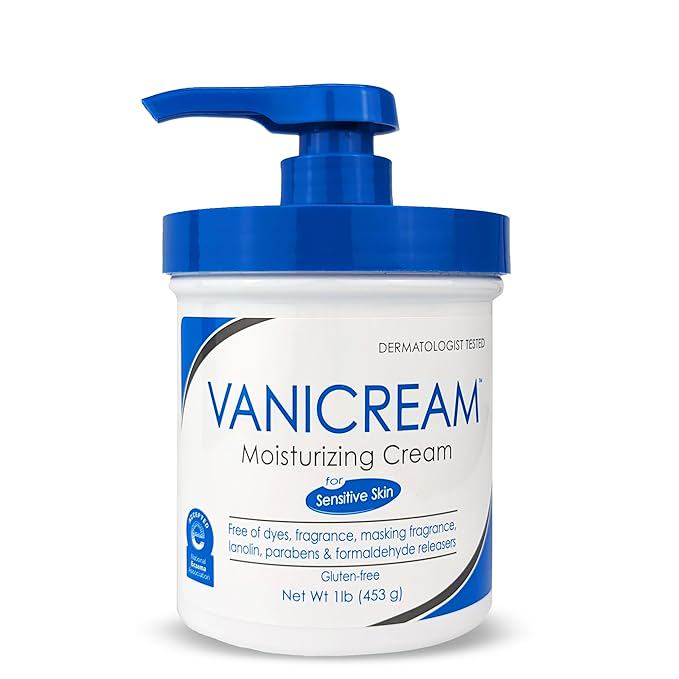
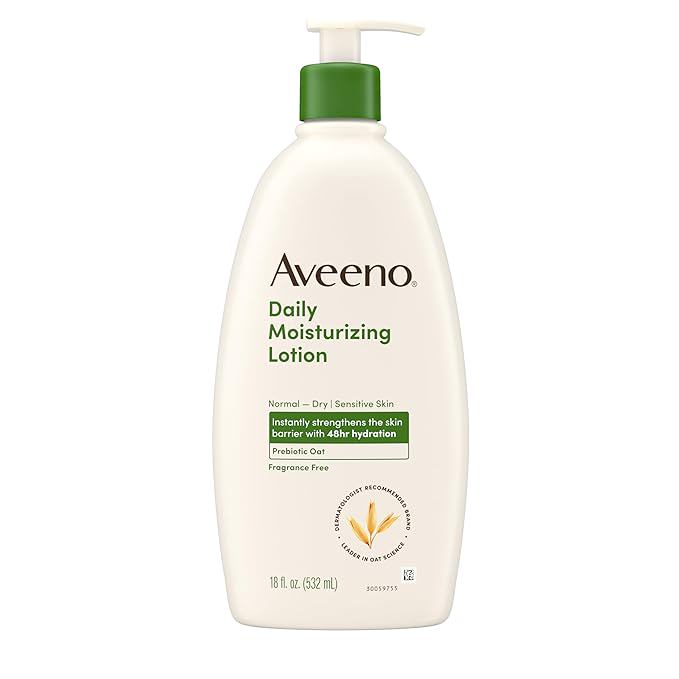
- Layer a moisturizer afterward. Look for oil-free, fragrance-free formulas with ceramides or niacinamide to help restore the barrier.
- Skip acid exfoliants on retinoid nights. If you use chemical exfoliants, do them on a separate night (or in the AM) to avoid overdoing it.
- Be cautious with essential oils. While natural oils can be nourishing, their photosensitizing compounds make them better suited for daytime use or for nights you skip retinoids entirely.
Why nighttime is still the right time
Despite these challenges, nighttime remains the ideal window for retinoid use. During sleep, your skin’s repair processes are at their peak. Cell turnover naturally accelerates, and your skin is free from daytime stressors like pollution and UV rays. Giving retinoids the full night to work—without interruption from sweat, makeup, or sunlight—allows them to do what they do best: stimulate collagen and speed up cellular renewal.
Celebrity dermatologist Dr. Nivedita Dadu sums it up well: “At different times of the day, our skin produces more sebum. This happens most in the morning. So it’s best to use these ingredients at night, when the skin is rejuvenating itself, and the cell turnover rate is at its highest.”
The key is to work with your skin, not against it. If you protect it from the sun and keep your nighttime layers simple, your retinoid routine will deliver results without the drama.