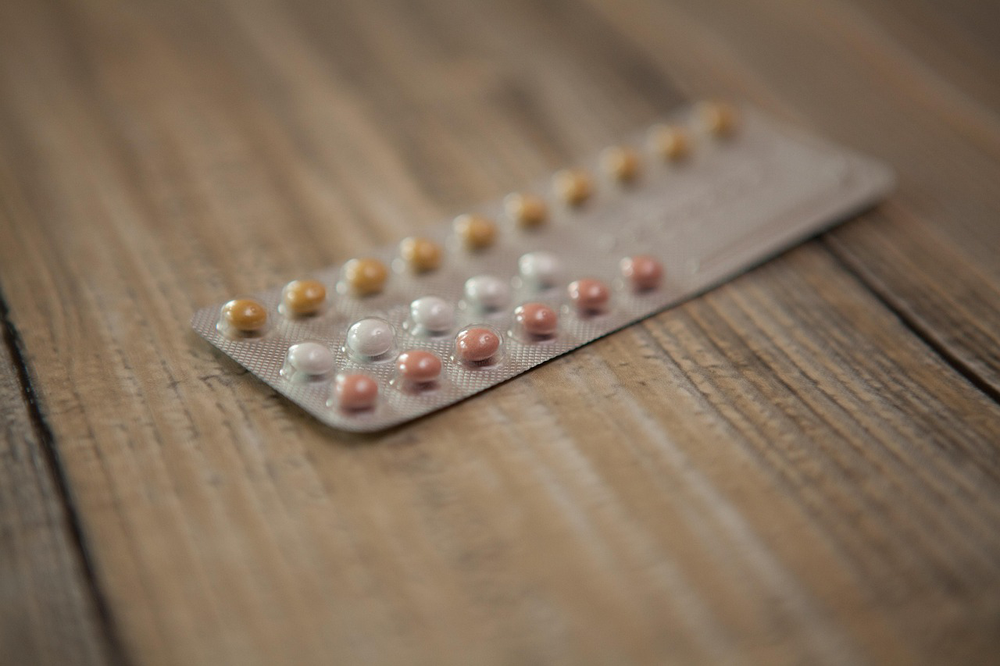
When you stop taking birth control, it’s normal to wonder when your cycle will return to its natural rhythm. For most people, ovulation resumes within a few weeks. But for some, it takes longer—and certain lifestyle habits may be partly responsible. While the body’s hormonal adjustment period is individual, two habits in particular are worth examining if your period hasn’t returned as expected. Here’s what the research and clinical experience suggest about factors that can delay ovulation after birth control.
How birth control affects your natural cycle
Hormonal birth control—whether the pill, patch, ring, or hormonal IUD—works by suppressing ovulation. It does this by delivering synthetic hormones that tell your ovaries to pause their usual egg-release cycle. When you stop using these methods, your brain and ovaries essentially need to “wake up” and re-establish communication. This process, called the hypothalamic-pituitary-ovarian axis, can take time to recalibrate. Some women ovulate within a month; others may wait three months or longer. The return of your period is usually a sign that ovulation has occurred, but not always—anovulatory cycles (cycles without ovulation) can happen during the transition.
Habit #1: Chronic calorie restriction or undereating
One overlooked factor that can delay ovulation after stopping birth control is insufficient energy intake. Your reproductive system is sensitive to energy availability. When you consistently eat too few calories—whether intentionally for weight loss or unintentionally due to a busy lifestyle—your body may interpret this as a stress signal. In response, it may downregulate or pause ovulation to conserve energy for essential functions.
This is sometimes referred to as functional hypothalamic amenorrhea, though you don’t need to have a formal diagnosis for the effect to matter. Even mild, chronic undereating can delay the return of ovulation. If you’ve been eating less than your body needs—especially with high physical activity levels—your cycle may take longer to normalize after birth control. The fix is not complicated, but it requires consistency: eating enough calories from nutrient-dense foods, including healthy fats, complex carbohydrates, and adequate protein. Fat in particular plays a role in hormone production, so very low-fat diets can be counterproductive when you’re trying to restore ovulation.
Habit #2: High, unmanaged stress levels
The second habit that can stall ovulation is chronic stress—specifically, the kind of stress that keeps your cortisol levels elevated day after day. Cortisol and reproductive hormones are linked through the HPA axis. When cortisol stays high, it can suppress the release of gonadotropin-releasing hormone (GnRH), which in turn reduces luteinizing hormone (LH) and follicle-stimulating hormone (FSH)—the two hormones that trigger ovulation.
This isn’t about the occasional stressful day. It’s about ongoing stress that doesn’t get a chance to resolve. If you’re juggling work, life transitions, sleep deprivation, or emotional stressors without adequate recovery, your body may delay ovulation as a protective mechanism. After coming off hormonal birth control, this effect can be magnified because your body is already adjusting to lower synthetic hormone levels. Managing stress isn’t just good for your mood—it may directly support the return of a normal ovulatory cycle. Practices like consistent sleep, gentle movement, and intentional downtime can help.
Other factors that influence ovulation after birth control
Beyond these two habits, a few other elements can play a role in how quickly your cycle returns. Body weight is one—both being significantly underweight and overweight can affect hormone balance. Polycystic ovary syndrome (PCOS) is another common reason for delayed ovulation after birth control, since the pill often masks the underlying condition. Thyroid issues and high prolactin levels can also interfere. If your period hasn’t returned within three months of stopping birth control, it’s worth checking in with a healthcare provider to rule out these possibilities.
What you can do to support ovulation naturally
If you’re trying to conceive or simply want your cycle to return to normal, small changes can make a meaningful difference. Prioritize eating enough food, especially at breakfast and after exercise. Incorporate healthy fats like avocado, nuts, seeds, and olive oil. Find a stress management routine that works for you—whether that’s short walks, breathwork, therapy, or simply saying no to extra obligations. Sleep at least seven hours per night. And give yourself permission to be patient: for many women, the post-pill transition takes a few months, and that’s within the range of normal.
Keep an eye on other cycle signs, too. Cervical mucus changes—like the appearance of egg-white discharge—can indicate that ovulation is approaching even before your first period returns. Basal body temperature tracking can also help confirm ovulation after it happens. These tools can give you useful data, but they’re not a substitute for medical advice if things seem stalled.
When to see a doctor
If it’s been more than three to six months since you stopped birth control and you haven’t had a period, or if you have irregular cycles with no clear ovulation signs, it’s a good idea to consult a healthcare provider. They can run basic blood work to check hormone levels, thyroid function, and prolactin. They can also help determine whether the delay is related to lifestyle habits or an underlying condition. The goal is not to alarm you—most people do ovulate on their own—but to help you identify what might be slowing the process so you can take targeted steps.