
After years of relying on hormonal birth control, it’s natural to wonder when your body will find its own rhythm again. For many, the return of a regular menstrual cycle can take a few weeks or several months. The science is clear: while the pill doesn’t cause long-term infertility, the transition time varies. Below are two expert-backed approaches to support your body’s natural hormonal reset, backed by current medical understanding of how ovulation resumes.
Tip 1: Replenish Key Nutrients That Birth Control Depletes
Hormonal contraceptives are known to lower levels of certain vitamins and minerals, including folate, magnesium, zinc, and B vitamins. These nutrients play direct roles in hormone synthesis and egg quality. A randomized controlled trial in the European Journal of Contraception & Reproductive Health Care found that women on oral contraceptives had significantly lower serum folate levels than non-users, which can impact ovulation readiness.
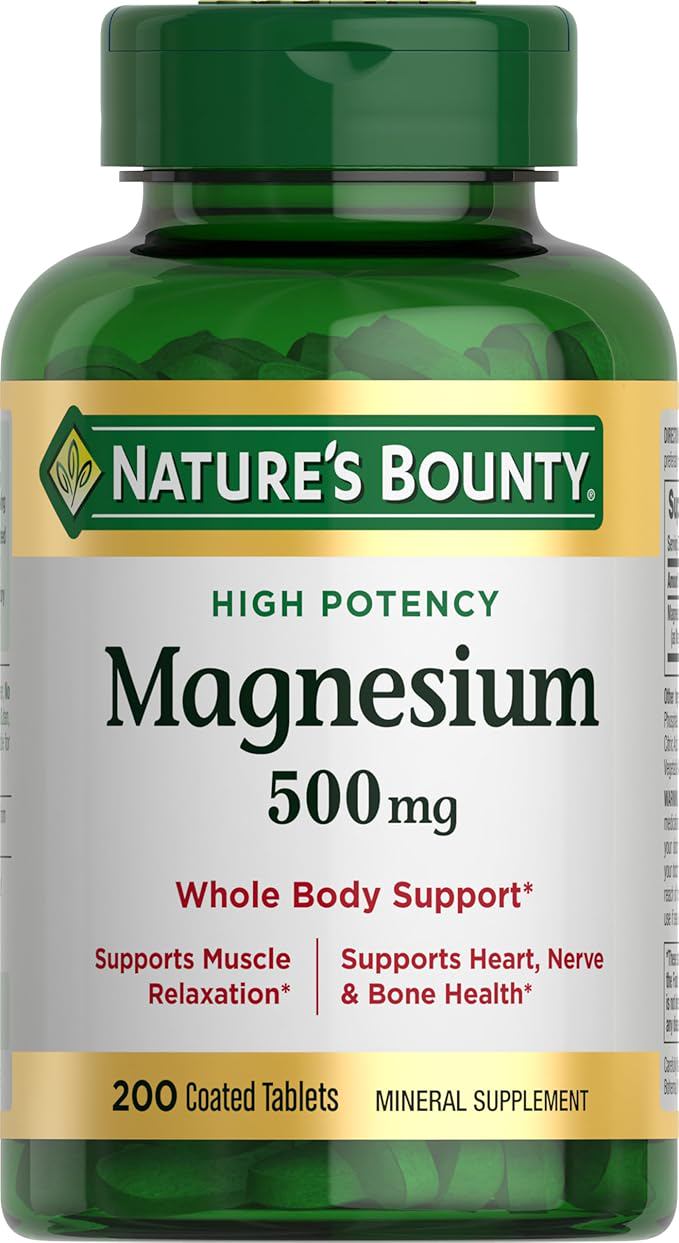
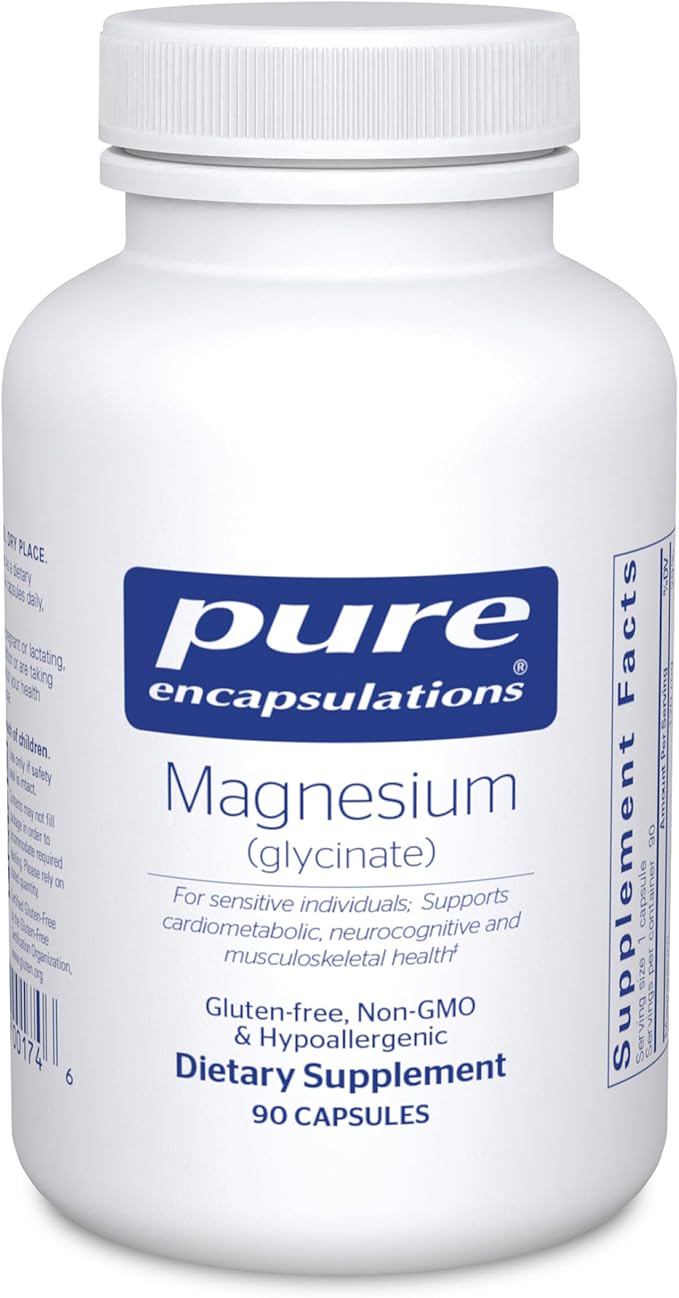
To support a faster return to cycling, focus on a nutrient-dense diet. Foods such as leafy greens (for folate), pumpkin seeds (for zinc), and dark chocolate (for magnesium) can help restore depleted stores. A 2020 review in Nutrients highlighted that magnesium supplementation may improve menstrual regularity in women with ovulatory dysfunction. While supplements can be useful, whole-food sources are typically better absorbed.
Consider a high-quality prenatal vitamin or a multivitamin designed for post-birth-control recovery, but always consult your healthcare provider before starting any new supplement regimen.
Tip 2: Track Your Fertile Signs to Catch the First Ovulation
The first sign that your cycle is returning is often a shift in cervical mucus or a temperature rise. Research in Fertility and Sterility shows that ovulation typically returns within 30–90 days after stopping combination pills, but the first cycle may be anovulatory (no egg released). Tracking with a basal body thermometer or a fertility-awareness app helps you identify your fertile window.
A 2021 study of 1,000 women using a fertility-tracking app found that 60% had their first ovulation within 45 days of stopping the pill. Those who tracked cervical mucus or urine luteinizing hormone (LH) strips predicted ovulation with 93% accuracy. This insight is valuable: it lets you know your body is actually ovulating, not just bleeding.
Regular tracking also helps you spot irregularities early. If you haven’t had a period in 90 days after stopping birth control (a condition called post-pill amenorrhea), it’s time to see a gynecologist. The same goes for cycles shorter than 21 days or longer than 35 days once established, as these can indicate underlying issues like polycystic ovary syndrome (PCOS) or hypothalamic amenorrhea.
What Influences How Quickly Your Cycle Returns?
Several factors affect the timeline. The type of birth control matters: injectable contraceptives like Depo-Provera can delay return for up to 12 months, while combination pills typically resolve faster. Age is another key factor—women over 35 may have a slightly longer return to ovulation due to natural ovarian aging. A 2019 prospective cohort in Human Reproduction found that women who had regular cycles before starting birth control tended to resume normal cycles 2–3 weeks sooner than those with pre-existing irregularities.
Stress, weight changes, and exercise patterns also play a role. Cortisol (the stress hormone) can suppress the hypothalamic-pituitary-ovarian axis, delaying ovulation. If you’ve recently stopped birth control, maintaining a moderate exercise routine (not overtraining) and prioritizing sleep can help hormonal balance.
When to Seek Medical Guidance
Most women will see their period return within three months. However, if you’re trying to conceive and haven’t ovulated by month three, or if you have painful cycles, heavy bleeding, or signs of hormonal imbalance (acne, hair loss, unusual hair growth), a medical evaluation is warranted. Blood tests for follicle-stimulating hormone (FSH), luteinizing hormone (LH), and thyroid-stimulating hormone (TSH) can reveal underlying issues that may predate birth control use.
Remember: the absence of a withdrawal bleed (the “period” you had while on the pill) doesn’t mean something is broken. The pill’s scheduled bleeding is not a true menstrual cycle—it’s a drug-induced withdrawal bleed. Your body is essentially learning to dance again on its own. With good nutrition and careful tracking, you can support that process naturally.