
When life gets hectic, exercise is often the first thing to drop off the schedule. But missing a week—or even two—of your usual workouts doesn't have to undo all your progress. Research in exercise physiology shows that the body retains fitness adaptations longer than many people assume, and there are specific, evidence-based ways to protect those gains during busy periods.
Below are two expert-backed strategies that help you maintain cardiovascular fitness, muscle strength, and metabolic health even when you cannot stick to your normal routine.
Strategy 1: Reduce Volume, Not Intensity
The most common mistake during a busy week is to skip workouts entirely or to replace them with very light activity. Instead, exercise scientists suggest keeping the intensity high while cutting the total volume.
What this looks like in practice: If you normally run for 45 minutes at a moderate pace, switch to a 20-minute interval session where you run hard for one minute, then recover for two. If you lift weights, keep the same loads you would use on a normal day, but perform fewer sets—two instead of four, for example.
A 2018 study in the Journal of Strength and Conditioning Research found that participants who reduced their training volume by two-thirds but maintained intensity experienced minimal losses in strength and muscle size over eight weeks. The key variable is effort: your muscles and cardiovascular system need to be challenged, even if the total work is less.
Coach's tip: For strength training, focus on compound movements (squats, deadlifts, push-ups, rows) rather than isolation exercises. These recruit more muscle fibers and provide a greater training stimulus in less time.
Strategy 2: Use Micro-Sessions to Maintain Neuromuscular Patterns
Another research-supported approach is breaking your workout into very short, high-effort sessions scattered throughout the day. This method works especially well for people whose workdays are unpredictable and fragmented.
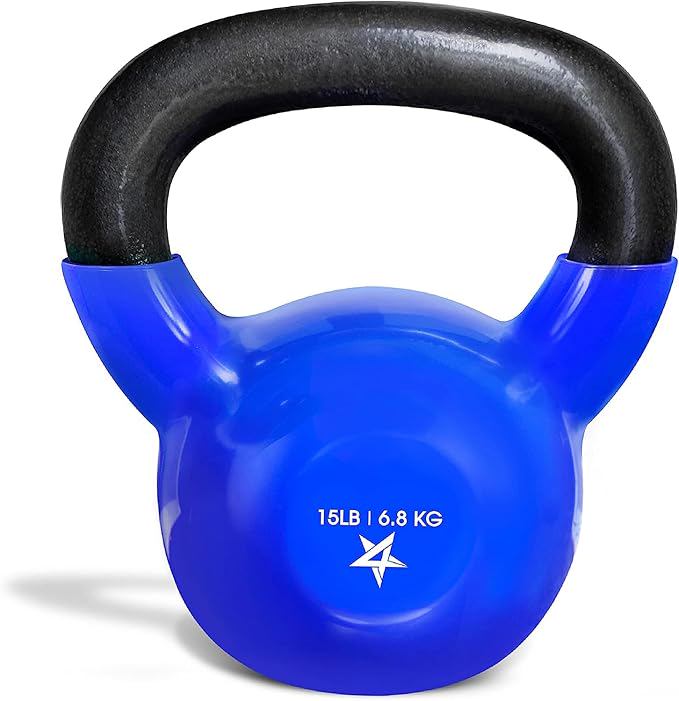
How to apply this: Instead of aiming for a 45-minute gym visit, do three or four sessions of 5 to 10 minutes each. A 5-minute set of burpees, squat jumps, or kettlebell swings in the morning; a 7-minute brisk walk up stairs midday; and a 10-minute bodyweight circuit in the evening can cumulatively preserve aerobic capacity and muscle engagement.
A 2019 review in Sports Medicine noted that short, high-intensity exercise sessions improve mitochondrial function and insulin sensitivity comparably to longer sessions, provided the intensity is sufficient. The brain and nervous system also retain movement patterns more effectively when they are reinforced regularly, even briefly.
Science note: The neuromuscular system adapts to repeated signals. A quick daily dose of explosive or heavy movement helps maintain the neural pathways that govern strength and coordination.
How to Choose Between These Strategies
Both strategies are effective, but they fit different circumstances. If your schedule is tight but predictable—say you have 20 minutes free each morning—reducing volume while keeping intensity is straightforward. If your day is chaotic with no guaranteed block of time, micro-sessions allow you to accumulate training minutes organically.
The common thread is that intensity, not duration, is the primary driver of maintenance. This inverts the common belief that you need long workouts to stay fit. In reality, a brief, hard effort signals the body to preserve its current adaptations far better than a long, easy session.
What About Complete Rest Weeks?
Planned rest weeks—sometimes called deload weeks—are a legitimate training tool, especially for athletes who have been training intensely for months. However, for the average person trying to stay healthy during a busy period, total inactivity for a week or two can cause noticeable declines in cardiorespiratory fitness (about 2% to 5% per week) and slight losses in strength. The strategies above are designed to prevent that regression.
Additional Practical Tips for Busy Weeks
- Schedule micro-sessions like meetings. Add 6-minute calendar blocks for movement—treat them as non-negotiable.
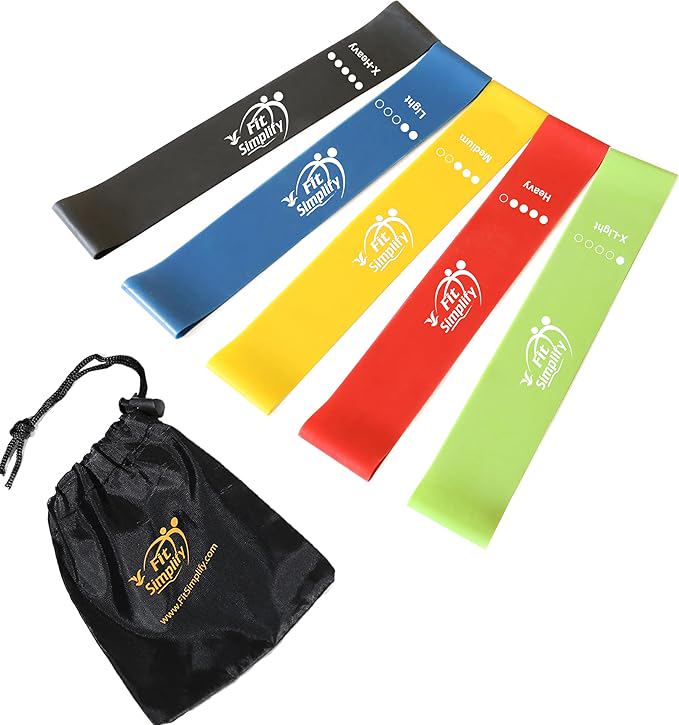
- Keep equipment accessible. A resistance band or a single kettlebell near your desk makes impromptu sessions easier.
- Use the “two-day rule.” Never go more than two days without some form of high-effort movement. This prevents detraining from taking hold.
- Track effort, not time. Use a rating of perceived exertion (RPE) scale. Aim for an 7–9 out of 10 on effort, regardless of session length.
Maintaining fitness during busy weeks is not about perfection—it is about strategic consistency. By focusing on intensity and frequency rather than duration, you protect the cardiovascular, muscular, and metabolic gains you have worked to achieve.