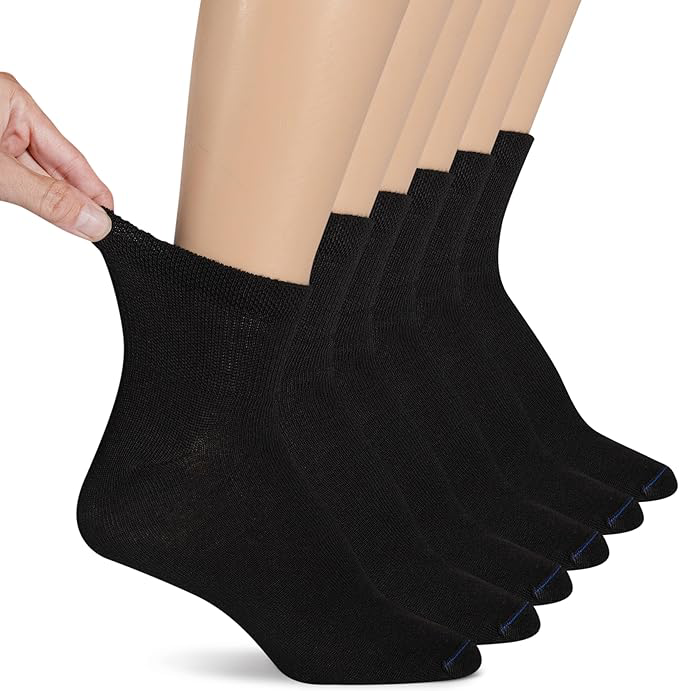

Living with diabetes means paying close attention to your feet. Nerve damage and reduced blood flow can turn small issues—like a blister or a tiny cut—into serious complications, including infections that may lead to amputation. The good news? Most diabetic foot problems are preventable with the right daily habits and clinical care. Here are two expert-backed strategies that can help you keep your feet healthy and safe.
1. Perform a Daily Foot Inspection
The single most effective step you can take is checking your feet every day. Because diabetic neuropathy can numb sensation, you might not feel a pebble in your shoe, a hot spot, or a developing sore. Make it a non-negotible part of your morning or evening routine.
- Look for: cuts, blisters, redness, swelling, calluses, or any discoloration. Check between your toes and under the arches—it helps to use a mirror on the floor.
- Feel for: temperature changes (one foot noticeably warmer), tenderness, or moisture breaks. Sliding a cotton ball or your fingers along the skin can reveal rough patches you might miss by sight alone.
- Check your gear: Before putting on socks and shoes, shake out the insoles and run a hand inside to find any debris, loose stitching, or worn spots that could rub against your skin.
If you have trouble bending or see poorly, ask a family member or caregiver to help. Early detection is critical. At the first sign of a break in the skin or suspicious redness, wash the area gently with mild soap and water, apply an antibiotic ointment (as your doctor recommends), and cover with a sterile bandage. Do not try to pop blisters or cut calluses yourself—leave that to a professional.
2. Establish a Consistent Foot-Care Routine
Daily inspection only works if you also keep your feet in good overall condition. Build a simple, consistent routine into your day:
Wash and Dry Thoroughly
Use warm (not hot) water and a gentle, moisturizing soap. Soak for no more than 5–10 minutes—prolonged soaking can dry out skin. After washing, pat your feet dry with a soft towel, paying extra attention to the spaces between toes, where moisture can invite fungal infections. Gently towel-dry the whole foot, then use a blow-dryer on a low, cool setting if you need to ensure the areas between toes are completely dry.
Moisturize, but Skip the Toe Crevices
Apply a diabetes-friendly lotion or cream to the tops and bottoms of your feet, avoiding the skin between the toes. This helps prevent cracks and fissures that can become entry points for bacteria. Look for products with ingredients like lanolin, shea butter, or dimethicone, and avoid any with fragrances or alcohol that can be drying.
Trim Nails the Right Way
Cut toenails straight across, never curved into the corners, to reduce the risk of ingrown nails. File any sharp edges gently. If your nails are thick or you have vision problems, visit a podiatrist for nail care rather than attempting it yourself. Podiatrists can also perform routine trimming and debridement safely.
Quick tip: Schedule a professional foot exam at least once a year—more often if you have existing neuropathy, calluses, or a history of ulcers. Your healthcare provider can assess circulation and sensation using a monofilament test or tuning fork.
When to Seek Medical Help
Call your doctor or podiatrist immediately if you notice:
- Any open sore, ulcer, or blister that does not start to heal within 48 hours
- Redness, warmth, or swelling that spreads
- Drainage or foul odor from a wound
- Sudden pain, discoloration (blue or black patches), or a feeling that the foot is increasingly cold
- A fever above 100.4°F accompanied by foot symptoms
Many diabetic foot complications can be reversed or halted if caught early. Managing your blood glucose levels, not smoking, and keeping your blood pressure and cholesterol in check all support healthy circulation and nerve function. Foot care is not a luxury when you have diabetes—it is an essential part of your health maintenance plan.
By making daily inspection and a consistent care routine a priority, you dramatically reduce your risk of infection, ulceration, and amputation. Your feet carry you through life—give them the attention they deserve.