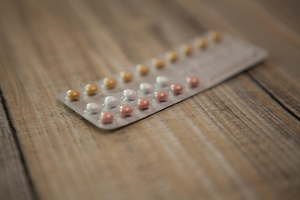

When you decide it's time for another baby—or to start your family after using birth control—every little choice can feel loaded. You might be tracking cycles, checking cervical mucus, and rethinking your morning coffee. But amidst all the focus on timing and ovulation, what you drink each day can play a surprisingly direct role in how quickly your body reestablishes a fertile rhythm.
Here's the short version: two common beverages can interfere with hormonal balance and ovulation after you stop contraception. Knowing which ones to cut back on—and what to reach for instead—gives you a simple, actionable edge during this transitional window.
Why post-birth-control fertility is different
Coming off hormonal birth control—whether it's the pill, IUD, implant, or shot—means your body needs to resume its natural menstrual cycle. For some women, ovulation returns within a few weeks. For others, it takes several months. During this reset period, your hormones are already in flux. The last thing you want is to consume something that throws them further off balance.
That's where these two drinks come in. They're not forbidden, but they're worth limiting when you're actively trying to conceive.
Drink #1: High-caffeine coffee and energy drinks
Caffeine is a central nervous system stimulant, and in moderate amounts it's generally safe. But when you're trying to conceive after birth control, the research leans toward caution. Studies have linked high caffeine intake—roughly 300 mg per day or more, which is about two to three cups of coffee—to longer time-to-pregnancy and an increased risk of ovulatory infertility.
Why does it matter now? Coming off birth control, your hypothalamus-pituitary-ovarian axis is rebooting. Caffeine can elevate cortisol and adrenaline, which may suppress the release of gonadotropin-releasing hormone (GnRH). Lower GnRH means less stimulation for follicle development and ovulation. In plain language: too much caffeine can delay your first natural ovulation.
How much is okay?
Most fertility specialists suggest keeping caffeine under 200 mg per day when trying to conceive—that's about one 12-ounce cup of coffee or two small cups of tea. Switch to decaf, half-caff, or herbal teas after that first cup.
"One cup of coffee in the morning is fine for most women. It's the second, third, or the energy drink at 3 p.m. that starts to interfere." — Fertility nutrition guideline
Energy drinks are a double hit
Energy drinks don't just deliver caffeine—they pack sugar, B-vitamins, and herbal stimulants like guarana. The sugar spike can worsen insulin resistance, which itself disrupts ovulation. If you're trying to conceive, skip energy drinks entirely and get your energy from balanced meals and sufficient sleep.
Drink #2: Regular alcohol (especially more than one drink per day)
Alcohol is the second drink to watch. It's not that a single glass of wine with dinner will sabotage your chances—but consistent drinking, or heavy episodic drinking, can interfere with ovulation in several ways.
How alcohol affects your cycle post-birth control
Alcohol can raise estrogen and testosterone levels while lowering progesterone. Since your body is already adjusting hormone levels after stopping contraception, this extra push can throw off the luteal phase—the time between ovulation and your next period. A short luteal phase (less than 10 days) makes implantation harder.
Additionally, alcohol dehydrates your body, dries up cervical mucus, and stresses your liver. Your liver is responsible for metabolizing excess hormones. When it's busy processing alcohol, it's less efficient at clearing old estrogen, which can contribute to estrogen dominance—a pattern linked to irregular cycles and anovulation.
"One drink a day is considered low risk for most women. But 'low risk' and 'optimal for fertility' are not the same thing."
What about one glass of red wine?
Some research suggests that moderate red wine consumption (no more than one glass a day) may not harm fertility as much as beer or liquor, possibly due to resveratrol. Still, the safest approach when you're trying to conceive: limit alcohol to occasional (not daily) drinking, or skip it altogether during your fertile window.
What to drink instead when you're trying to conceive
Staying hydrated supports healthy cervical mucus, which is essential for sperm transport and survival. Here are the best drinks to support your post-birth-control fertility:
- Water — Aim for 8 to 10 cups a day. Add lemon, cucumber, or mint for flavor.
- Herbal teas — Rooibos, ginger, peppermint, and red raspberry leaf are safe and hydrating. (Check with your doctor for pregnancy-safe herbs if you suspect you may already be pregnant.)
- Decaf green or black tea — You still get a little caffeine, plus antioxidants, without the overload.
- Full-fat milk or unsweetened oat milk — Full-fat dairy has been linked to improved fertility compared with skim milk in some studies.
- Coconut water — A good natural electrolyte drink without added sugar.
Frequently asked questions
Does caffeine from tea count the same as coffee when trying to conceive?
Yes, caffeine is caffeine regardless of the source. An 8-ounce cup of black tea has about 40–50 mg of caffeine, and green tea has roughly 30 mg. Keep your total daily caffeine under 200 mg from all sources—coffee, tea, soda, chocolate, and energy drinks included.
How long after stopping birth control should I wait before trying to conceive?
There's no medical reason to wait more than one normal cycle after stopping most forms of birth control. For the pill, patch, or ring, ovulation can occur within days. For Depo-Provera, it may take 6–12 months for cycles to regulate. You can start trying as soon as you feel ready—your doctor may suggest tracking ovulation with kits or temperature charting to identify your first fertile window.
Can I have an occasional glass of wine while trying to conceive?
An occasional glass is unlikely to cause problems for most women. But if you have a history of irregular cycles, endometriosis, or fertility challenges, cutting alcohol entirely during the preconception phase is a prudent choice. Even one drink can temporarily affect hormone levels, and it's hard to predict how your body will respond post-hormonal contraception.
What about decaf coffee—does it count as a drink to avoid?
Decaf coffee contains a small amount of caffeine (about 2–5 mg per cup), which is negligible for fertility purposes. It's a fine alternative if you enjoy the taste and ritual of coffee. Just be mindful of added sugar or creamers that could affect blood sugar balance.
The bottom line
When you're trying to conceive after birth control, your body is working hard to restore its natural rhythm. High caffeine intake and regular alcohol consumption are two drinks that can subtly disrupt that process. Cutting back on both—and replacing them with water, herbal tea, or low-caffeine options—supports ovulation, balanced hormones, and healthy cervical mucus.
This isn't about perfection. It's about giving yourself the best foundation as you transition from contraception to conception.