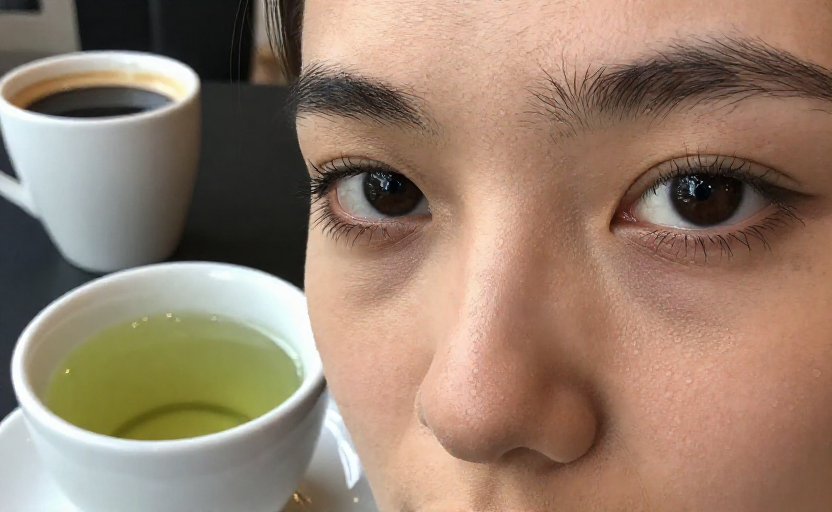
Dark circles under your eyes can feel stubborn and stubbornly resistant to sleep and concealer. While genetics and aging play a role, your daily diet—especially what you sip—can either brighten the under-eye area or make shadows worse. Two common drinks stand out for their opposite effects: one may help reduce puffiness and discoloration, while the other can dehydrate skin and make dark circles more pronounced.
Let's examine the science behind each, along with simple adjustments you can make for a more rested appearance.
What causes dark circles in the first place?
Before dialing in on drinks, it helps to understand why under-eye circles appear. The skin beneath the eyes is the thinnest on your body—nearly translucent. When blood vessels dilate or leak, the blue-red discoloration shows through easily. Fluid also tends to pool under the eyes overnight, creating puffiness that casts shadows. Lack of sleep, allergies, and natural collagen loss with age all play a role, but hydration and circulation are major controllable factors.
The drink that can make dark circles worse
Coffee, soda, black tea, and energy drinks all contain caffeine—a diuretic that signals your kidneys to flush out more water. Even moderate caffeine intake can tip your body into mild dehydration. When your skin lacks water, it becomes thinner, less plump, and more transparent, making underlying blood vessels more visible. Dehydration also slows the turnover of dead skin cells, leaving the under-eye area looking dull and crepey.
A single 8-ounce cup of coffee can increase urine output for several hours. If your only fluid intake comes from caffeinated beverages, your under-eye circles may be linked to chronic, low-level dehydration.
If you're already prone to dark circles—perhaps due to allergies or a family history of thin under-eye skin—caffeine can make the contrast between lighter skin and dark discoloration more obvious. You don't necessarily have to quit coffee entirely, but pairing each cup with an equal amount of water helps offset the dehydrating effect.
Does the time of day matter?
Drinking caffeine late in the afternoon or evening can disrupt sleep quality. Poor sleep leads to more fluid retention and blood vessel congestion under the eyes, creating both puffiness and shadows. For healthy under-eye circulation, try to finish your last caffeinated drink by early afternoon.
The drink that can help reduce dark circles
Green tea—especially when consumed regularly—offers two distinct benefits for under-eye health. First, it hydrates the body without the diuretic effect of caffeine-rich drinks (green tea contains less caffeine than coffee, and many people tolerate it well). Second, green tea is rich in catechins, specifically epigallocatechin gallate (EGCG), a potent antioxidant that helps strengthen capillary walls.
Stronger, less leaky blood vessels in the under-eye area mean less visible blue and purple discoloration. The anti-inflammatory properties of EGCG can also reduce puffiness by calming minor fluid retention. Some research suggests that the combination of hydration and bioflavonoids in green tea may modestly improve skin elasticity over time.
Other hydrating options that support under-eye skin
Water with lemon, herbal infusions (chamomile, rooibos, peppermint), and coconut water all count toward your daily fluid goals without the drawbacks of caffeine. For a targeted boost, look for drinks containing vitamin C or silica—both are important for collagen production, which helps keep under-eye skin thick and resilient.
How much fluid do you need for healthy under-eye skin?
General recommendations hover around 8 to 12 cups per day, but your individual needs depend on activity level, climate, and diet. A quick check: if your urine is pale yellow and you don't feel thirsty between meals, you're likely well hydrated. Under-eye circles that improve after a few days of consistent hydration are a good sign that dehydration was a contributing factor.
Beyond drinks: supporting factors
While swapping a second cup of coffee for green tea can make a noticeable difference, keep these other factors in mind:
- Sleep position: Sleeping on your back with an extra pillow discourages fluid from pooling under your eyes.
- Salt intake: High-sodium foods increase water retention and puffiness—try to keep processed snacks to a minimum.
- Allergy management: Histamines dilate blood vessels and promote dark circles. If seasonal allergies are a trigger, addressing them can help.
- Sunscreen: Daily SPF prevents collagen breakdown that thins under-eye skin.
If you're concerned about persistent dark circles that don't respond to hydration, sleep changes, or diet, talk with a dermatologist. Sometimes an underlying condition—like iron deficiency or thyroid imbalance—is the root cause.