When hair starts thinning or breaking, most of us scramble for the right shampoo, serum, or supplement. But what if the real culprit is sitting in your hand right now? Two everyday drinks — often consumed without a second thought — can quietly aggravate scalp irritation and make hair strands more prone to breakage. Understanding how these beverages affect your scalp health is the first step toward stronger, calmer hair.
How Diet Reaches Your Scalp
Your scalp is skin, and like the rest of your skin, it responds to what you put into your body. Certain drinks can trigger inflammation, dehydrate tissues, or disrupt the balance of oils and microbes on your scalp. Over time, this can show up as itchiness, flaking, redness, or hair that snaps more easily.
Sugary Drinks and Scalp Inflammation
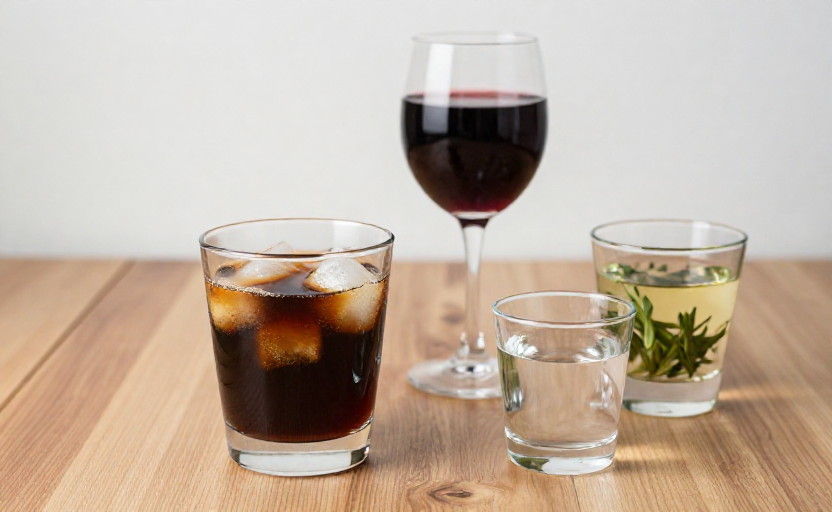
High-sugar beverages — think sodas, sweetened juices, and energy drinks — cause a rapid spike in blood glucose. This triggers a process called glycation, where sugar molecules attach to proteins in your skin and hair. Glycation damages collagen and elastin, weakening the hair shaft and making it brittle. It also promotes systemic inflammation, which can show up on the scalp as redness, itching, or acne-like bumps.
Scalp acne and irritation can be a direct signal that your body is struggling to process excess sugar.
Caffeinated and Alcoholic Beverages
Both caffeine and alcohol are diuretics. They increase urine output, which can leave your body — and your scalp — slightly dehydrated. A dehydrated scalp produces less protective sebum, leading to dryness, flaking, and a weakened barrier. When the scalp barrier is compromised, it becomes more reactive to environmental triggers, stinging shampoos, and even weather changes.
For people already prone to conditions like seborrheic dermatitis or scalp psoriasis, alcohol can be a specific trigger. Some studies suggest that alcohol consumption alters the scalp's microbiome, allowing yeast and bacteria that cause dandruff and irritation to overgrow.
Why Hair Breakage Follows
Hair breakage isn't always about what you apply topically. When the scalp is inflamed or dehydrated, the hair follicles receive less nutrient-rich blood flow. This starves the growing hair strand of the amino acids and minerals it needs to stay strong. The result: a thinner, weaker shaft that snaps under normal brushing or styling.
- Sugar-induced glycation stiffens the hair fiber, reducing its elasticity. Hair that cannot stretch will snap.
- Dehydration from diuretics makes the hair cortex brittle. Split ends and mid-shaft breaks become more common.
- Inflammation disrupts the hair growth cycle, leading to more hairs in the shedding phase.
What You Can Do Instead
You don't have to give up every treat. The key is awareness and balance. If you notice persistent scalp irritation or unexplained hair breakage, try reducing your intake of sugary and dehydrating drinks for a few weeks. Replace them with water, herbal teas, or unsweetened electrolyte drinks.
Pay attention to how your scalp feels after a high-sugar day versus a low-sugar day. Many people find that their itchiness diminishes and their hair feels stronger once they cut back on sodas and cocktails.
Support Your Scalp from the Inside
Beyond cutting problem drinks, add in nutrients that support skin and hair hydration. Omega-3 fatty acids, found in fatty fish or a quality fish oil supplement, help reduce inflammation. Vitamin C supports collagen production, which keeps the hair shaft resilient. And don't underestimate plain water — staying hydrated helps every cell in your body, including your scalp cells.
A calm scalp is the foundation for strong, growing hair.
If you have a diagnosed scalp condition like seborrheic dermatitis or psoriasis, talk to your dermatologist about how your diet — including beverages — might be affecting your flare-ups. Everyone's triggers are different, but sugary drinks and alcohol are common starting points worth examining.