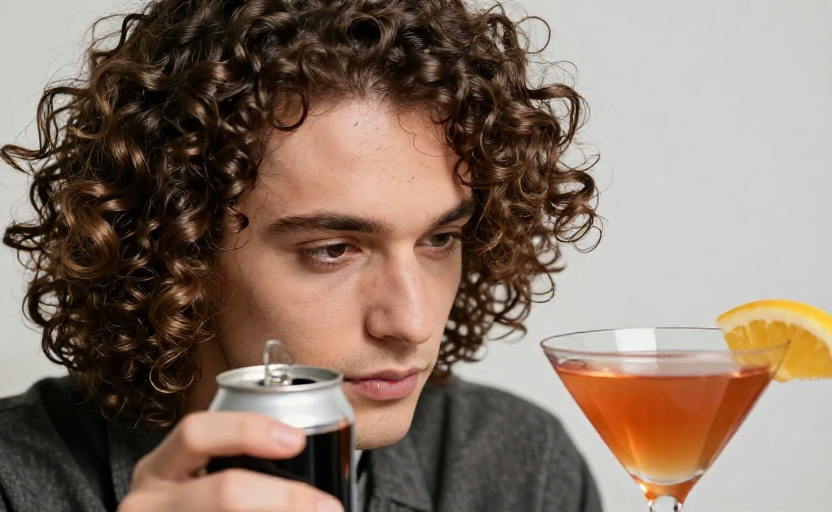
Curly hair already demands more care than straight textures, especially when it comes to the scalp. The twists and coils make it harder for natural oils to travel down the hair shaft, so the scalp has to work overtime. Now imagine adding a daily drink that throws that delicate balance off entirely. For many people with curly hair, two common beverages are directly linked to increased flaking, itchiness, and dandruff-like shedding.
The link between what you consume and what shows up on your scalp is real. Here is a closer look at the two main drinks that can trigger scalp flaking in curly hair types—and what you can reach for instead.
Why curly scalps react differently
Curly hair follicles produce sebum, but the曲線 structure makes it difficult for that oil to spread. This often leaves the scalp dry at the roots while the ends stay parched. When you introduce dehydrating or inflammatory beverages, the scalp’s microbiome can shift, leading to irritation, dead skin cell buildup, and visible flakes. The goal isn’t to eliminate everything you enjoy, but to understand which drinks are most likely to disturb your scalp’s natural rhythm.
1. Sugary sodas and sweetened beverages
High-sugar drinks—think regular soda, sweetened iced tea, fruit punches, and energy drinks with added sugar—are among the top culprits for scalp flaking in curly hair. Excess sugar in the bloodstream can promote inflammation throughout the body, including the scalp. For people prone to seborrheic dermatitis or general dryness, this inflammatory response can exacerbate flaking.
Sugar also feeds yeast and bacteria. Malassezia, a yeast that naturally lives on most scalps, thrives on sugar. When you consume sugary drinks, you may inadvertently encourage this yeast to overgrow, which can lead to more dandruff and itching. Curly-haired individuals often already have a drier scalp environment, so the yeast overgrowth hits harder.
Try swapping one daily soda for sparkling water with a splash of lemon or cucumber. It gives you the fizz without the sugar spike.
2. Alcohol, especially cocktails with high sugar content
Alcohol is a diuretic, meaning it pushes water out of your system. For curly hair, dehydration shows up fast on the scalp. When your body is even mildly dehydrated, the skin on your scalp can become dry, tight, and flaky. Alcoholic drinks—beer, wine, and especially sugary cocktails—compound the problem by combining dehydration with a sugar load.
Beer and wine also contain gluten and other compounds that some people find inflammatory. For those with curly hair who already have a sensitive scalp, even moderate alcohol intake can trigger visible flakes within 24 to 48 hours. If you notice your scalp feels itchier or more flaky after a night out, alcohol may be the reason.
If you do choose to drink, pairing alcohol with a full glass of water for each serving can help offset some of the dehydrating effects. Also, opting for drier wines or spirits with a sugar-free mixer reduces the double punch of sugar plus alcohol.
How to tell if a drink is affecting your scalp
Pay attention to timing. If you notice flaking or itching that appears within a day or two of consuming a particular beverage, try eliminating it for two weeks and observe the difference. Many people with curly hair find that reducing sugary sodas and alcohol noticeably calms scalp irritation and reduces flakes without changing their hair care routine at all.
What to drink for a healthier curly scalp
Water is the number one scalp-supporting drink. It hydrates from the inside out and helps maintain the skin barrier that keeps flakes at bay. Herbal teas like chamomile, peppermint, or rooibos are good alternatives that offer hydration without inflammation. Coconut water, in moderation, can also provide electrolytes that support skin health.
Green tea contains antioxidants that may help reduce scalp inflammation if you drink it regularly. Some people find that bone broth supports hair health due to its collagen content, though evidence is mixed. The main takeaway: prioritize low-sugar, hydrating beverages and notice how your scalp responds.
When to see a professional
Occasional flaking that responds to cutting out certain drinks is usually manageable with lifestyle changes. But if you have persistent flaking, redness, or intense itching even after adjusting your diet, it might be time to see a dermatologist. Conditions like seborrheic dermatitis, psoriasis, or contact allergies may require medicated treatments beyond dietary changes. A professional can help you distinguish between diet-triggered flaking and a chronic skin condition.
Small adjustments in what you drink can make a real difference for your curly hair scalp. You don’t have to cut out every treat, but being mindful of sugary sodas and alcohol can reduce flaking and support a healthier, happier scalp year-round.