We often think of hydration as something that quenches our thirst or plumps our skin, but its benefits run much deeper—literally, to the roots of our hair. A well-hydrated body supports every system, including the delicate ecosystem of your scalp. While topical treatments have their place, true scalp health often starts from within, influenced by what we consume daily.
When your body is adequately hydrated, it can efficiently deliver essential nutrients to your hair follicles, support the scalp's natural barrier function, and maintain the supple, healthy environment hair needs to grow. Dehydration, on the other hand, can leave the scalp dry, tight, and flaky, potentially creating a less-than-ideal foundation for hair. Let’s explore two foundational drinks that can help support your scalp’s hydration from the inside out.
Water: The Obvious (and Most Powerful) Choice
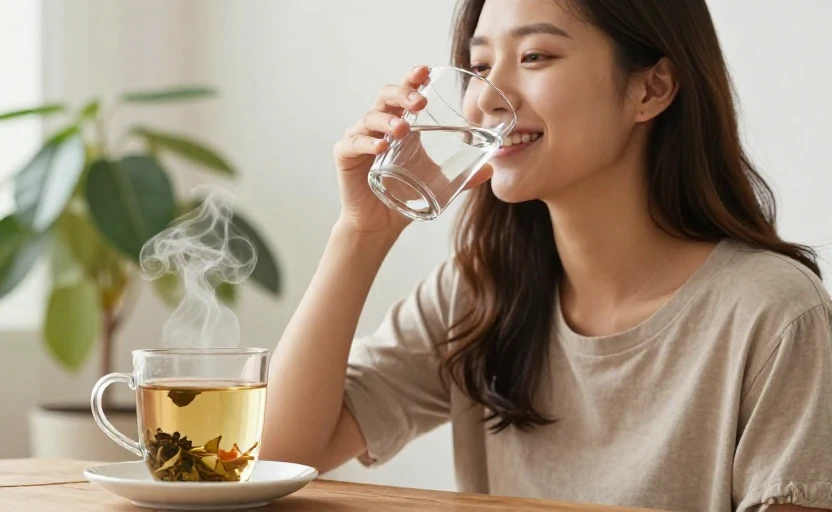
It might seem too simple, but plain water is the single most effective hydrator for your entire body, your scalp included. Think of water as the primary transport system. It carries oxygen and vital nutrients via your bloodstream to your hair follicles, which are among the most metabolically active cells in your body.
Without sufficient water, this delivery system can become sluggish. The scalp tissue itself can become dry and less resilient, which may contribute to issues like increased sensitivity or dandruff. While drinking water won’t directly “moisturize” your hair strands—which are made of dead cells—it fundamentally supports the living part of the hair: the follicle embedded in your scalp.
Aim to sip water consistently throughout the day, not just in large, infrequent gulps. This helps maintain steady hydration levels.
How much is enough? While the old “eight glasses a day” is a decent benchmark, needs vary based on activity level, climate, and diet. A good sign you’re on track is pale yellow urine. If you struggle with plain water, try these ideas:
- Keep a reusable bottle at your desk or in your bag as a visual reminder.
- Infuse it with slices of cucumber, lemon, mint, or berries for a subtle flavor.
- Incorporate more water-rich foods like watermelon, celery, and oranges into your meals.
Herbal Infusions: Hydration with Added Benefits
For a hydrating boost that goes beyond plain water, certain herbal teas are excellent choices. They contribute to your daily fluid intake while offering plant compounds that may support overall wellness, which in turn reflects on your scalp health.
It’s crucial to choose caffeine-free herbal varieties, as caffeine can have a mild diuretic effect. Two standout options are nettle tea and horsetail tea, often highlighted in traditional wellness practices for hair.
Nettle Tea
Nettle leaf is rich in minerals like silica, magnesium, and calcium, along with vitamins and antioxidants. These nutrients play roles in various bodily functions, including circulation and inflammation response. By supporting general nutrient status and hydration, nettle tea can be a supportive part of a holistic approach to hair wellness.
Horsetail Tea
Horsetail is one of the richest plant sources of silica, a mineral that is a component of collagen and believed to contribute to the strength and integrity of connective tissues. While more research is needed, its historical use and mineral content make it a popular herbal choice for those looking to support hair, skin, and nail health through nutrition.
Always consult with a healthcare provider before adding new herbal teas to your routine, especially if you are pregnant, nursing, or on medication.
What This Approach Can and Cannot Do
Focusing on internal hydration is a supportive, foundational practice. It helps create an optimal internal environment for all your body’s processes, including those that govern scalp and hair health. You might notice your scalp feels less dry or itchy, and your overall hair may appear more supple and have better elasticity.
However, it’s essential to have realistic expectations. Internal hydration is not a standalone treatment for medical hair loss conditions, such as androgenetic alopecia (female or male pattern hair loss), alopecia areata, or hair loss due to significant nutrient deficiencies, thyroid disorders, or hormonal imbalances. These conditions have specific underlying causes that require professional medical diagnosis and treatment.
Think of drinking for scalp hydration as akin to watering the soil in a garden. It’s a non-negotiable, critical step for overall plant health, but it won’t fix problems with the seeds themselves or specific plant diseases. For persistent, concerning, or sudden hair loss, consulting a dermatologist or trichologist is the most important step.
A Holistic View of Scalp Care
While what you drink is fundamental, it works best as part of a broader approach. A diet rich in vitamins, minerals, and healthy fats supports follicle health. Gentle scalp massage can stimulate circulation. And managing stress levels is critical, as chronic stress can negatively impact the hair growth cycle.
Your scalp’s health is a reflection of your overall well-being. By choosing hydrating, nutrient-supportive drinks and pairing them with a balanced lifestyle, you’re nurturing your hair from the root up, creating the best possible conditions for it to thrive.