
Avoiding certain foods is a well-known strategy for managing skin inflammation, but what if you could actually add foods to your diet to calm redness and puffiness? It turns out that strategic substitutions can deliver anti-inflammatory benefits without leaving you feeling deprived. Below are two food swaps that dietitians often recommend to people looking for a calmer, less reactive complexion.
Swap sugary breakfast cereals for a bowl of oats with berries
A bowl of brightly colored breakfast cereal might be convenient, but most options are packed with refined sugars and lacking in fiber. High sugar intake can trigger a process called glycation, which damages collagen and may worsen skin inflammation. Over time, this can show up as persistent redness or blotchy skin, particularly for those prone to rosacea or general sensitivity.
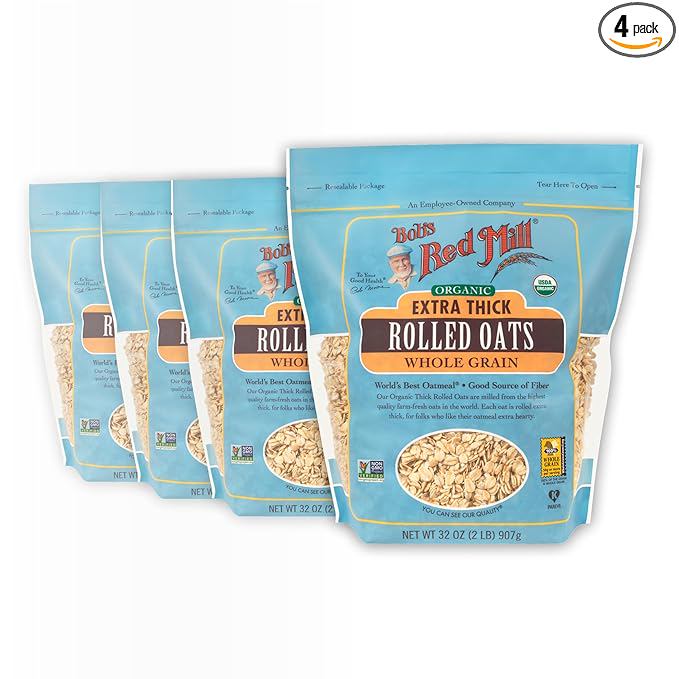
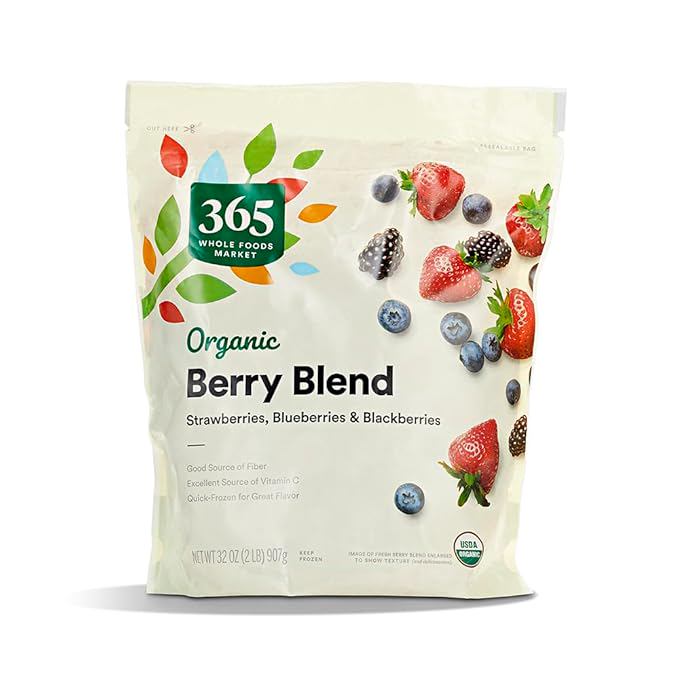
Instead, start your morning with a bowl of rolled oats topped with fresh or frozen berries. Oats are a whole grain with plenty of fiber, which helps stabilize blood sugar. Berries—blueberries, strawberries, and raspberries—are rich in antioxidants such as quercetin and vitamin C. This swap helps reduce the insulin spike that often provokes inflammatory markers in the body, leading to a visible reduction in puffiness and redness over a few weeks. It also provides slow-release energy, so you stay full longer.
Why this swap matters for skin inflammation
The link between blood sugar and skin inflammation is well documented. When blood sugar spikes, the body releases insulin-like growth factor 1 (IGF-1), which can increase oil production and promote inflammation. A study published in the Journal of the American Academy of Dermatology found that a low-glycemic diet reduced acne lesions and inflammation markers, and many dietitians extend that logic to general facial redness. By subbing a high-sugar cereal for whole oats and berries, you cut out the glycemic roller coaster.
Tip: Add a tablespoon of flaxseeds or a sprinkle of cinnamon for extra anti-inflammatory support without changing the flavor much.
Swap salty processed snacks for a small handful of walnuts or almonds
That afternoon bag of chips, pretzels, or salted crackers is often the biggest source of hidden salt in a typical diet. High sodium levels cause the body to hold onto water, which shows up as puffiness under the eyes, around the cheeks, and even in the hands. The problem is that many processed snacks contain not only salt but also pro-inflammatory vegetable oils and preservatives that can worsen facial redness.
A nutrient-dense swap like walnuts or almonds offers a very different profile. Walnuts are among the richest plant sources of omega-3 fatty acids (specifically alpha-linolenic acid), which are known to reduce inflammatory pathways. Almonds provide vitamin E, a fat-soluble antioxidant that helps protect skin from oxidative stress and supports the skin barrier. Choosing a small handful (about 1 ounce) instead of a bag of chips cuts your sodium intake dramatically while delivering healthy fats that help calm redness from within.
How the omega-3 and vitamin E connection works
Omega-3s in walnuts act as precursors to specialized pro-resolving mediators (SPMs), molecules that actively resolve inflammation rather than just blocking it. Meanwhile, vitamin E in almonds prevents lipid peroxidation in the skin cell membranes. This one-two punch means that over time, a lower sodium load combined with dietary anti-inflammatories can visibly reduce the morning puffiness and general facial flush that many people attribute to their diet.
Caveat: Stick to a single small handful—nuts are calorie-dense, so moderation is key for weight maintenance.
Additional food-mindfulness tips for reducing skin reactivity
While these two swaps can make a real difference, they work best as part of an overall pattern. Avoid pairing them with high-sugar drinks or excessive alcohol, both of which can counteract the benefits by triggering vasodilation (widening of blood vessels) and increasing redness. Also, be aware of personal sensitivities: if you notice that certain berries or nuts seem to bother your skin, you may have a mild intolerance. That is rare with this swap, but everyone’s gut and immune system differ.
Give your body at least three to four weeks of consistent swaps before expecting visible changes. Skin turnover takes time, and the inflammation response is cumulative. Combining dietary adjustments with good sleep, hydration, and a gentle skincare routine yields the best results.
These food swaps are not a medical treatment for chronic skin conditions like severe rosacea or perioral dermatitis. If redness and puffiness persist or worsen, consult a dermatologist or a registered dietitian who specializes in skin health.