
If your skin leans oily, you already know the struggle: shine that shows up an hour after washing, makeup that slides off, and a constant hunt for products that won't make things worse. But here's the irony — the very thing you're doing to help your skin could be fueling the problem. Moisturizing is non-negotiable, even for oily skin. But how you moisturize matters just as much as whether you do it at all.
Many people with oily skin skip moisturizer entirely, thinking it will just add more grease. Others use one, but in a way that backfires. Let's look at two common moisturizer mistakes that may be making your oil production worse — and what to do instead.
Mistake #1: Skipping Moisturizer Altogether
It sounds logical: if your skin is already oily, why add more moisture? The problem is that when you strip your skin of moisture — whether with harsh cleansers or by skipping moisturizer — your skin's barrier gets stressed. In response, your sebaceous glands can go into overdrive, pumping out even more oil to compensate for the lack of hydration.
Think of it this way: your skin wants to maintain a balance. When you dry it out too much, it panics and produces extra sebum. That leads to the dreaded midday shine, and sometimes more breakouts. Many people have found that reintroducing a light, oil-free moisturizer actually reduced their oiliness over time.
Mistake #2: Using the Wrong Texture or Formula
This may be the more common misstep. Thick creams, heavy balms, and formulas loaded with oils can clog pores and leave a greasy film on already oily skin. But that doesn't mean you should reach for a gel that is so lightweight it evaporates instantly and leaves no hydration either.
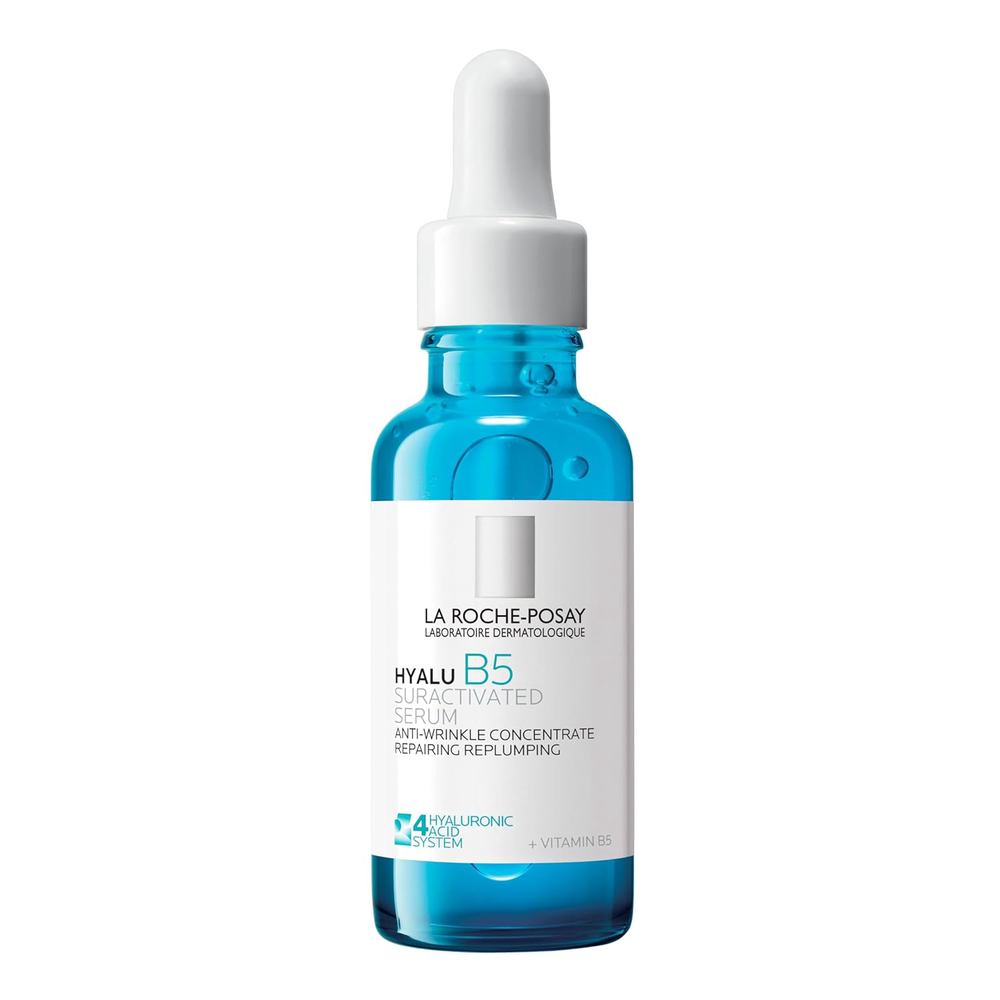
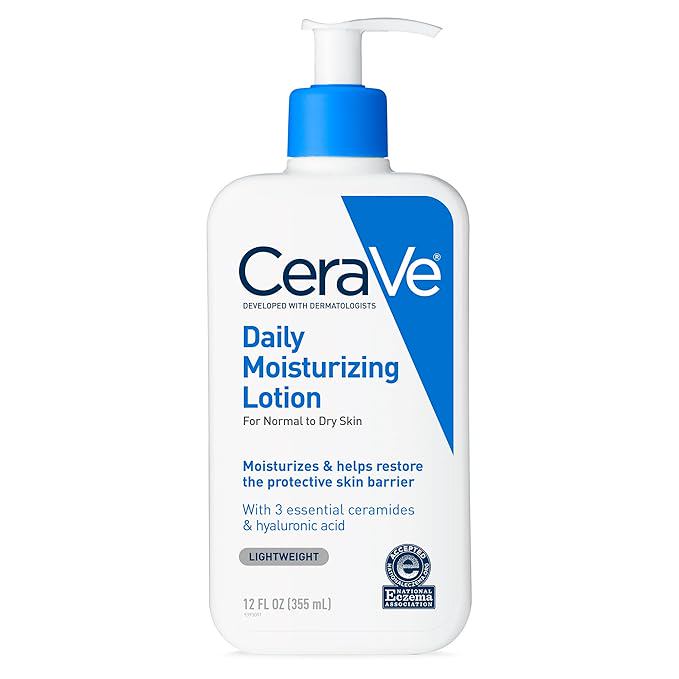
The key is finding a "sweet spot" moisturizer — something that hydrates without heaviness. Look for a water-based, oil-free, non-comedogenic formula. Gel-creams or lightweight lotions are better bets than heavy creams. Ingredients like hyaluronic acid, niacinamide, or glycerin deliver hydration without adding grease. On the flip side, avoid products with coconut oil, shea butter, or other heavy occlusives if you're prone to congestion.
A good rule of thumb: if the moisturizer feels like it sits on top of your skin rather than sinking in, it's probably too heavy for your oily skin type.
How to Moisturize Oily Skin the Right Way
Fixing these mistakes doesn't require a complicated routine. Here are three simple adjustments you can make starting today.
Choose a lightweight, hydrating formula
As mentioned, gel-creams or water-based lotions are your friend. Look for labels that say "oil-free" and "non-comedogenic." Ingredients like hyaluronic acid and niacinamide help hydrate and regulate oil without clogging pores.
Avoid formulas with alcohol denat high on the ingredient list — they may feel drying initially but can trigger more oil production later.
Apply to damp skin
This is a small habit change that makes a big difference. Applying moisturizer to slightly damp skin (right after cleansing, while your face is still a bit moist) helps lock in water and allows you to use less product. It also prevents the moisturizer from feeling heavy or greasy.
Use the right amount
With oily skin, less can be more. A pea-sized amount is usually enough for the entire face. Spreading a thin, even layer over damp skin helps it absorb faster and leaves a matte or satin finish. If you still feel greasy after, you may need a lighter formula.
When to See a Professional
If your skin remains excessively oily, irritated, or prone to breakouts despite adjusting your routine, consider talking to a dermatologist. Persistent oiliness can sometimes be linked to hormonal imbalances or other underlying conditions that benefit from professional treatment. This article is for educational purposes only and does not replace personalized medical advice.
The takeaway? Moisturizing is a step you should not skip — even if your skin runs oily. Choosing the wrong product or skipping it altogether can backfire and make oil production worse. Stick to lightweight, oil-free formulas and apply to damp skin for the best results.