
You already know that baking on a beach or lounging by a pool without protection is a fast track to sun damage. But what about the small, everyday things you do without thinking—the ones that seem harmless but may be quietly increasing your skin's sensitivity to UV rays? The sun doesn't just damage your skin while you're sunbathing. It can harm you during your morning commute, while you sit by a window, and even while you're running a simple errand. And some of your daily habits might be making that damage worse without you realizing it.
Let's look at two common habits that can unintentionally raise your risk of sun damage and what you can do about them.
Relying on Your Morning Skincare Products for Sun Protection
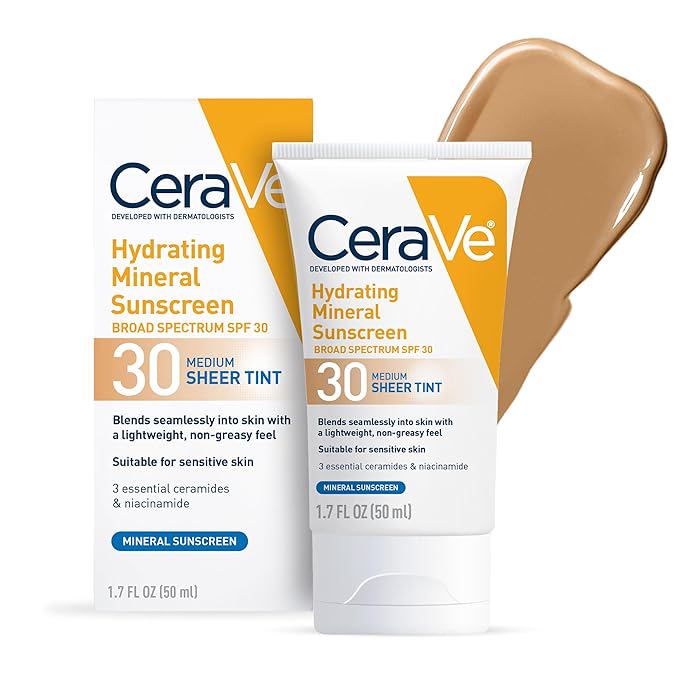
Many people assume that if their moisturizer or foundation contains SPF, they're adequately protected for the day. It's a logical assumption—but it's not quite accurate. Most people don't apply enough product to reach the labeled SPF value. For sunscreen to work as intended, you need about a quarter teaspoon for your face alone, and most people apply far less than that when using a moisturizer with SPF as their primary (or only) sun protection.
The real concern is the mismatch between routine and reality. A face moisturizer with SPF 30 offers some protection, but it rarely provides the even, thick coverage you get from a dedicated sunscreen. And if you rely on your foundation or BB cream for protection, the coverage is even thinner. The result is that you're walking around with less protection than you think—and UV exposure adds up over time.
A good rule of thumb: consider your moisturizer's SPF a bonus, not your main defense. Always apply a dedicated sunscreen underneath makeup or on its own for reliable protection.
Exfoliating Too Close to Sun Exposure
Exfoliation is great for glowing skin, but the timing matters. When you exfoliate, you remove the outer layer of dead skin cells. That can leave the fresh skin underneath more vulnerable to UV rays. If you exfoliate in the morning and then head outdoors without rigorous sun protection, your skin may absorb more UV damage than it would have otherwise.
This is especially true for chemical exfoliants like alpha hydroxy acids (glycolic acid, lactic acid) and beta hydroxy acids (salicylic acid). These ingredients can increase your skin's photosensitivity for several days after use. Many people don't realize that their beloved skincare acids are making them more susceptible to sunburn and long-term sun damage. The same goes for retinoids (including retinol), which are known to make skin more reactive to UV light.
The solution is simple but easy to overlook: if you exfoliate or use retinoids, commit to a rigorous sunscreen routine. Better yet, reserve those treatments for nighttime so your skin has several hours to recover before any sun exposure the following day.
Other Factors That Compound Sun Sensitivity
While the two habits above are the main focus, it helps to understand that certain ingredients in your routine can amplify sun damage risk. For example:
- Certain essential oils: Citrus-based oils like bergamot, lemon, and lime are phototoxic. They can cause a severe reaction when applied to skin that's later exposed to sunlight.
- Benzoyl peroxide and some antibiotics: These prescription or over-the-counter acne treatments can also make your skin more sun-sensitive.
- Fragrance and alcohol-based toners: These can strip the skin barrier, making it less resilient against UV stress.
Even if you don't use exfoliating acids or retinoids, check your routine for any of the above. If present, be extra diligent about sunscreen.
How to Build a Truly Sun-Safe Routine
Protecting your skin from daily UV exposure doesn't require a complete overhaul—just a few smart adjustments:
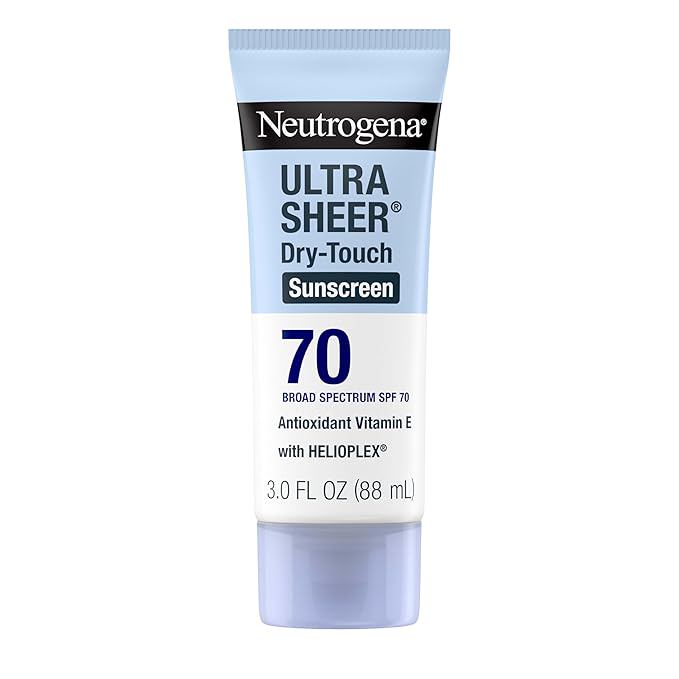
- Always apply a dedicated sunscreen as a separate step. Use at least SPF 30, broad-spectrum protection. Apply it after moisturizer and before makeup.
- Time your exfoliation carefully. Use exfoliating products (especially AHAs/BHAs and retinoids) in your evening routine. If you use them in the morning, apply sunscreen very liberally.
- Reapply during the day if you're outside or near windows. Sunscreen isn't a once-and-done product. If you spend time near windows at home or in your car, UV can reach you.
- Don't forget your neck, chest, and hands. These areas get a lot of incidental sun exposure.
Sun damage is cumulative. The small exposures day after day—walking the dog, driving to work, sitting by a window—build up over time. The good news is that with a little awareness, you can adjust your habits to make sure your daily routine is working for your skin's long-term health, not against it. A calm, consistent approach to sun protection pays off in the years ahead.