You have your nighttime routine down. Cleanse, moisturize, maybe a retinoid. By all accounts, you are doing the right things for your skin. And yet, you wake up in the morning with a face that feels tight, looks dull, and seems to have aged five years overnight. The culprit may not be your products—it may be two quiet, often overlooked habits that are steadily leeching moisture from your skin while you sleep.
Aging skin has a tougher time holding onto water. By the time we reach our forties and fifties, our natural oil production slows, the lipid barrier thins, and the skin's ability to produce hyaluronic acid decreases. This makes mature skin inherently vulnerable to trans-epidermal water loss. If you layer certain bedtime habits on top of that biological reality, your skin never gets the chance to repair itself overnight. It simply dehydrates.
Here is what is likely happening—and what you can do about it without overhauling your entire life.
The first habit: sleeping in a dry room
Your bedroom humidity levels drop significantly at night, especially during winter months or if you run the heating or air conditioning. Relative humidity indoors can fall below 30 percent, which is roughly the same dryness as a desert climate. For context, your skin's barrier functions optimally at around 50 to 60 percent humidity.
When the air is that dry, water from your skin evaporates faster than your barrier can hold it. This process accelerates in older skin because the lipid matrix—think of it as the mortar between brick-like skin cells—already has cracks. You are essentially sleeping with a fan blowing on a wet sponge that is losing its elasticity.
Many people compound this by sleeping directly under a ceiling fan or a vent. While airflow can be cooling, it strips the surface of the skin of its protective moisture layer. The result is morning tightness, exaggerated fine lines, and a crepe-like texture on the cheeks and around the eyes.
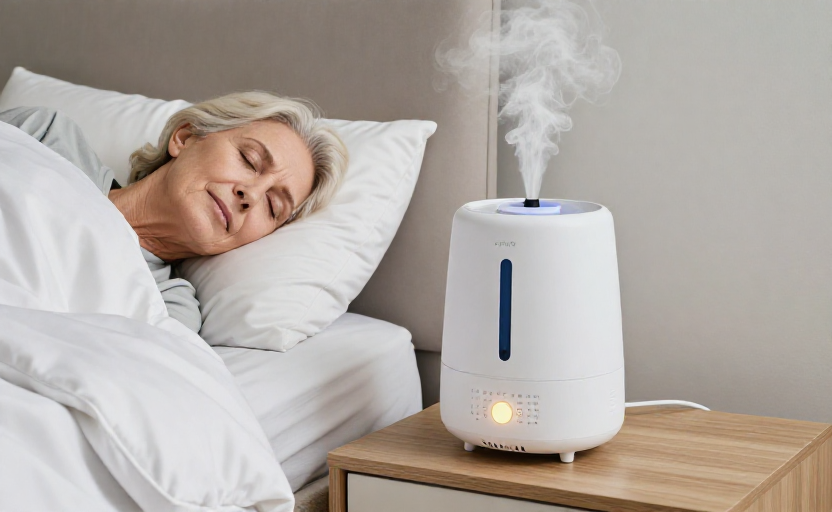
Quick fix: Run a cool-mist humidifier in your bedroom, especially during colder months. Keep it close to your bed and clean it weekly to avoid bacterial buildup.
If a humidifier feels like too much commitment, place a shallow bowl of water near your radiator or heating vent. It will not match a humidifier's output, but it will slightly raise the moisture level in the air. Also, consider moving your bed away from direct drafts. Keeping the room temperature between 65 and 68 degrees Fahrenheit helps balance comfort with skin preservation.
The second habit: sleeping on the wrong pillowcase
This one surprises a lot of people, because it sounds like a luxury issue rather than a skin-care concern. But the material you lay your face on for seven to nine hours matters enormously for aging skin.
Cotton is not your friend at night
Standard cotton pillowcases are highly absorbent. They wick away the moisturizer, serum, or facial oil you applied before bed. That product—which you deliberately put on to support your barrier overnight—ends up soaked into the fabric instead of staying on your skin. Over time, this creates a cycle where your skin is dry, you apply richer creams, and the pillowcase takes them right back.
Cotton is also rough at a microscopic level. The fibers create friction that tugs at thinning skin during sleep. Repetitive tugging over the course of months can contribute to sleep creases that eventually become etched in as persistent lines, particularly on the side of the face you favor.
What to use instead
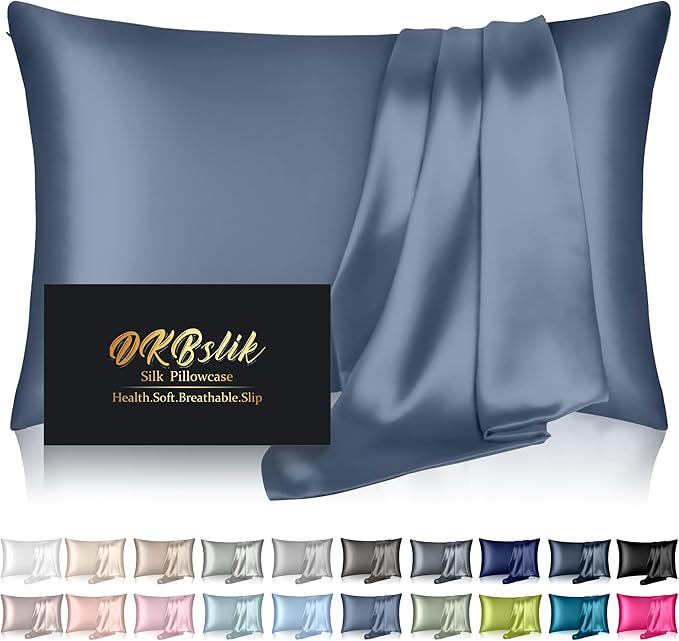
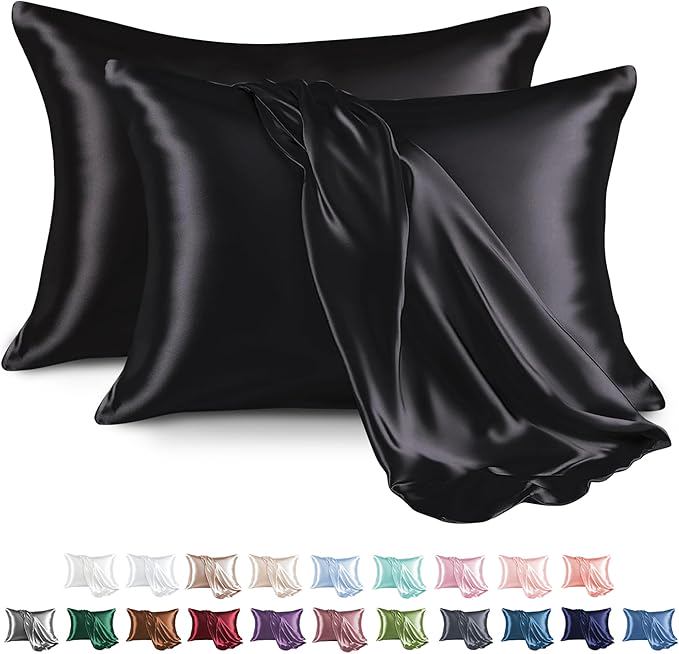
Silk or high-grade satin pillowcases are the standard recommendation here. They are smooth, slip against the skin instead of dragging it, and absorb far less moisture from your skincare products. That means your night cream actually stays on your face, where it can work.
If you prefer a more affordable option, look for bamboo-derived rayon pillowcases. They are smoother than cotton, more breathable than synthetic satin, and less absorbent than cotton. The key is to avoid anything with a rough weave or high absorbency.
Tip: Wash your pillowcases more often than you think you need to—every three to four days. Silk and satin can trap oil and bacteria just like cotton; they just do a better job of letting your skin keep its moisture.
How these two habits work together against aging skin
The combination is worse than either habit alone. Dry air pulls moisture outward from the skin. At the same time, an absorbent pillowcase wicks away the protective barrier cream you applied. Your skin is left completely exposed, losing water from the inside and getting no help from the outside.
Mature skin has a slower cellular turnover rate. During sleep, the skin should be in its peak repair mode, producing new cells and repairing damage from the day. But dehydrated skin cannot perform that repair effectively. The cell-to-cell signaling gets disrupted, and the skin wakes up inflamed, tight, and looking deflated rather than refreshed.
Add in the friction from a cotton pillowcase, and you are also encouraging mechanical stress on already fragile collagen and elastin fibers. Over weeks and months, this can make nasolabial folds and crow's feet more pronounced, not because of aging itself, but because of nightly dehydration plus friction.
Simple adjustments that make a real difference
You do not need an elaborate routine to counter these effects. Small changes in your sleeping environment can yield noticeable improvements in how your skin feels in the morning.
- Turn down the heat, turn up the humidity. Lowering the thermostat slightly at night and running a humidifier can help your skin retain up to 30 percent more water by morning, according to dermatologic research on barrier function.
- Change your pillowcase material. Silk or satin pillowcases reduce friction and product loss. They also feel cooler, which helps with sleep quality.
- Reconsider your night cream texture. If you use a lightweight lotion, consider switching to a richer balm or sleeping mask during cold months or if you sleep with heating on. Thicker textures create a better seal against the dry air.
- Use a hydrating mist or face oil before your final moisturizer. Layering a water-based serum under an occlusive moisturizer helps trap hydration deeper in the skin. This is more effective than applying a single product.
A note on overnight hydration and skin health
It is worth remembering that your skin is the largest organ and is subject to the same environmental factors as the rest of your body. Sleep is when the skin's cortisol levels drop and growth hormone secretion peaks—this is the biological window for repair. If that window is spent in a dry room with a face pressed against an absorbent surface, the repair is compromised.
The goal is not perfection; it is consistency. Adjusting these two habits—the air you sleep in and the surface you sleep on—can remove a significant source of overnight dehydration. Over time, you may notice that your skin looks plumper, feels softer, and shows less of that morning tightness that used to signal another day of fighting dryness.