
When most people think about sun spots—those flat, brownish patches that creep up on the hands, chest, and face—they imagine lazy afternoons lounging on the beach without SPF. But here's the less obvious truth: you can develop hyperpigmentation without ever intentionally sunbathing. In my decade-plus as a health editor, I've seen plenty of readers who are diligent about sunscreen on sunny days, yet still notice new spots appearing.
The culprit often isn't the sun you see—it's the sun you don't. Two surprisingly ordinary daily habits are responsible for a silent accumulation of UV damage that triggers melanocytes to overproduce pigment. Understanding these habits is the first step toward keeping your skin tone even without overhauling your entire routine.
Habit 1: Sitting near windows during the day
You might think you're safe once you're indoors, but standard window glass does not block all ultraviolet radiation. While most windows filter out UVB rays (the kind that cause sunburn), UVA rays—which penetrate deeper into the dermis and stimulate melanin production—pass through largely unfiltered. Standard window glass typically blocks only about 25–30% of UVA radiation, meaning the remaining 70% reaches your skin every time you sit by a window, drive a car, or work in a sunlit office.
Over weeks and months, that cumulative UVA exposure tells your melanocytes to keep producing pigment. The result? Freckles, age spots, and uneven skin tone, often on the left side of the face and body for people who drive frequently. A 2010 study published in the Journal of the American Academy of Dermatology found that UVA transmission through car side windows was sufficient to cause photodamage after routine exposure.
Think of it this way: If you sit by an unshaded window for your morning coffee and then again during your afternoon work session, you're essentially getting a low-grade dose of UVA for hours every day—no direct sunlight required.
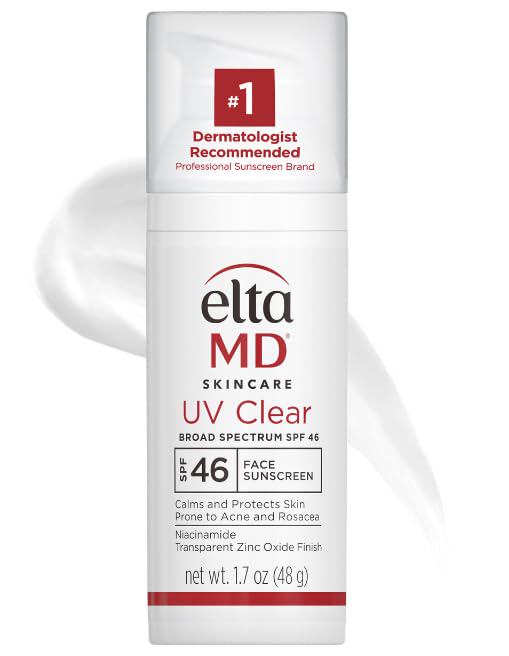
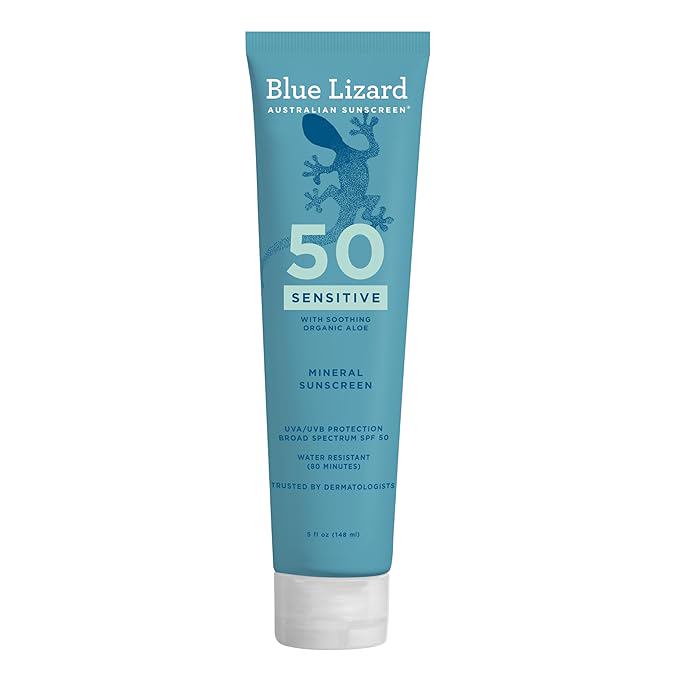
The fix is surprisingly simple. Apply a broad-spectrum sunscreen (SPF 30 or higher) as part of your morning routine, even if you plan to stay inside. Reapply if you spend more than two hours near a window. Alternatively, UV-blocking window films for your car and home can cut UVA transmission by up to 99%, and many are almost invisible.
Habit 2: Using certain skincare ingredients without sun protection
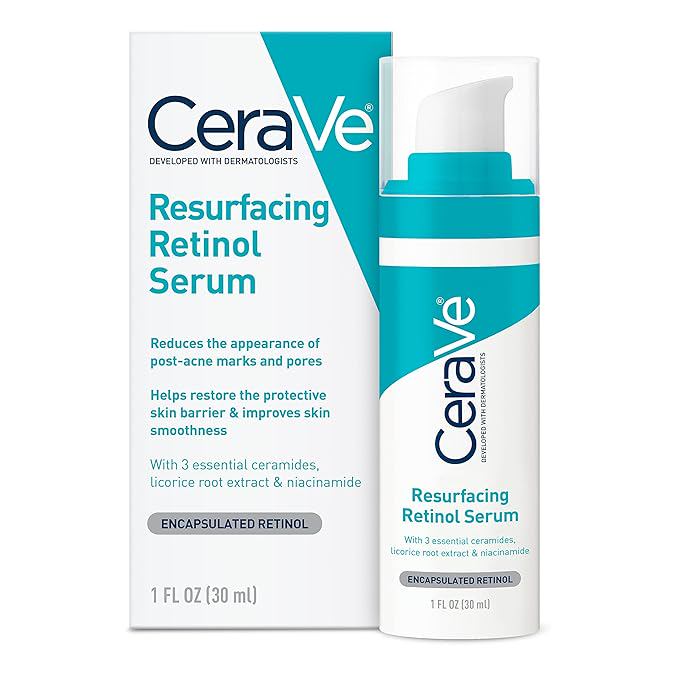
This one catches a lot of people off guard. Some of the most beloved anti-aging ingredients—including retinoids (prescription tretinoin, retinol), alpha hydroxy acids (glycolic acid, lactic acid), and even some essential oils—can make your skin more photosensitive. This doesn't mean they're bad; in fact, they're effective for improving texture and collagen. But they do increase the skin's susceptibility to UV damage, even from ambient light or brief sun exposure.
The mechanism is straightforward: these ingredients thin the stratum corneum (the outermost layer of dead skin cells) or accelerate cell turnover, leaving fresher, younger skin cells closer to the surface. Younger cells are more vulnerable to UV radiation, and they have less melanin protection built up. So if you apply a retinol serum at night and then step into your car the next morning without sunscreen, you're essentially handing UV rays an easier path to your melanocytes.
How photosensitivity works in practice
Photosensitivity reactions vary by ingredient. AHAs can increase UV sensitivity for up to a week after application, even if you wash them off. Retinoids can make the skin more reactive to UVA and UVB for several days. Vitamin C is generally safe and even photoprotective, but high concentrations of L-ascorbic acid can sometimes cause stinging if combined with direct UV exposure.
The key is not to avoid these effective ingredients—it's to pair them with consistent photoprotection. If you use retinol or an AHA, your sunscreen routine needs to be ironclad. And this doesn't just mean on sunny days. UVA levels remain fairly constant throughout the year and even penetrate cloud cover, so daily application matters.
Wear sunscreen every day of the year, not just when you remember—especially if your skincare routine includes any exfoliating or anti-aging actives.
Why these two habits matter more than occasional sunbathing
Think about your average day. Most of us spend considerably more time near windows and using active skincare than we do sunbathing. That daily, low-grade UVA exposure is harder to detect because it doesn't cause immediate burning or redness. Skin damage accumulates silently, and by the time spots appear, the underlying photodamage has been building for years or decades.
Dermatologists call this the "photoaging iceberg"—the visible spots at the surface are only a small fraction of the collagen and DNA damage happening below. This is why you can have someone who never tans but still develops significant hyperpigmentation; they're just getting their UV dose through a different route.
Practical steps to protect your skin
- Apply sunscreen daily to all exposed skin, including your hands and neck. Choose a broad-spectrum formula with SPF 30 or higher.
- Reapply every two hours if you're near windows, driving, or spending time in a bright room. Setting sprays and powders with SPF can make reapplying over makeup easier.
- Consider UV-protective window film for your car's side windows and large home windows, especially south-facing ones.
- Check your beauty product labels for photosensitizing ingredients like retinol, AHAs, and benzoyl peroxide, and always pair them with rigorous sun protection.
- Wear UPF clothing and a wide-brimmed hat when driving long distances or sitting in very sunny indoor spaces like sunrooms.
The goal isn't to fear normal daily life. The sun gives us essential vitamin D and is part of a healthy routine. But being smart about indirect UV exposure means you can use effective anti-aging ingredients and enjoy natural light without waking up to new spots a decade from now. Small tweaks—like that morning sunscreen application and a protective window film—add up to significant protection over time.