
Vaginal dryness after menopause is often treated like a passive symptom—something you simply endure. But what if two completely normal, daily habits are quietly making it worse without you realizing it? Understanding the actual mechanics behind dryness can shift how you approach relief. Many women focus on what to add (moisturizers, lubricants, hormones), but fewer consider what to change in their routine.
The two most common culprits are not products you buy. They are habits you may have been taught to follow. Let's look at the research and practical adjustments that matter for postmenopausal vaginal health.
Habit 1: Over-Cleansing With Harsh Soaps and Washes
The vulva and vaginal tissues are sensitive to pH shifts, especially after menopause when estrogen levels decline. Estrogen helps maintain the vaginal lining's thickness, elasticity, and acidic pH (around 3.5 to 4.5). This acidic environment supports healthy lactobacilli bacteria that protect against infection and maintain moisture.
When you wash the external genital area with standard bar soaps, body washes, or foaming intimate washes, you are often stripping away the protective lipid barrier and disrupting that pH. Ingredients like sodium lauryl sulfate, fragrances, and essential oils can be particularly irritating to thin, dry postmenopausal tissue.
The simple rule: The vagina is self-cleaning. You do not need to wash inside. For the vulva, plain warm water or a very mild, fragrance-free, pH-balanced cleanser (look for a pH around 4.5–5.0) used once daily is sufficient. Avoid scrubbing with a washcloth.
If you are douching, stop. The American College of Obstetricians and Gynecologists strongly advises against douching at any age, and especially after menopause, because it washes out protective bacteria and can worsen dryness and increase infection risk. Even if you feel cleaner after using a scented product, the dryness, irritation, or itching you feel later may be directly linked to that wash.
Habit 2: Relying on Petroleum-Based or Waxy Lubricants (and Avoiding Water Intake)
This habit is two-sided, but both stems from how women manage lubrication. Many women reach for petroleum jelly or thick, waxy lubricants because they seem to last longer. However, petroleum jelly and mineral oil are not designed for vaginal use. They trap bacteria, degrade latex condoms, and can stain fabrics. More importantly, they do not absorb into tissues or provide true moisture—they just sit on the surface.
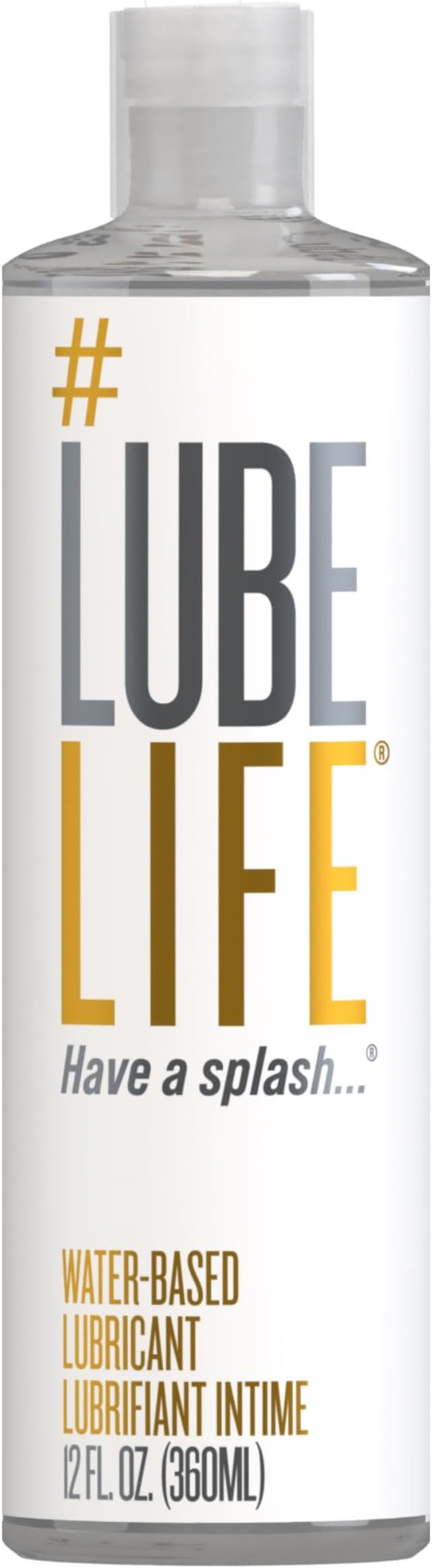
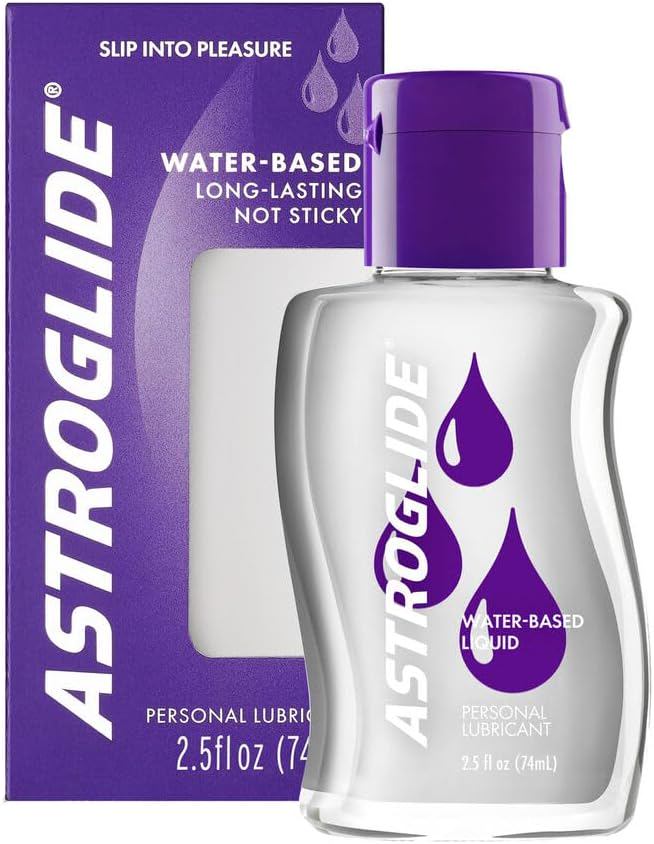
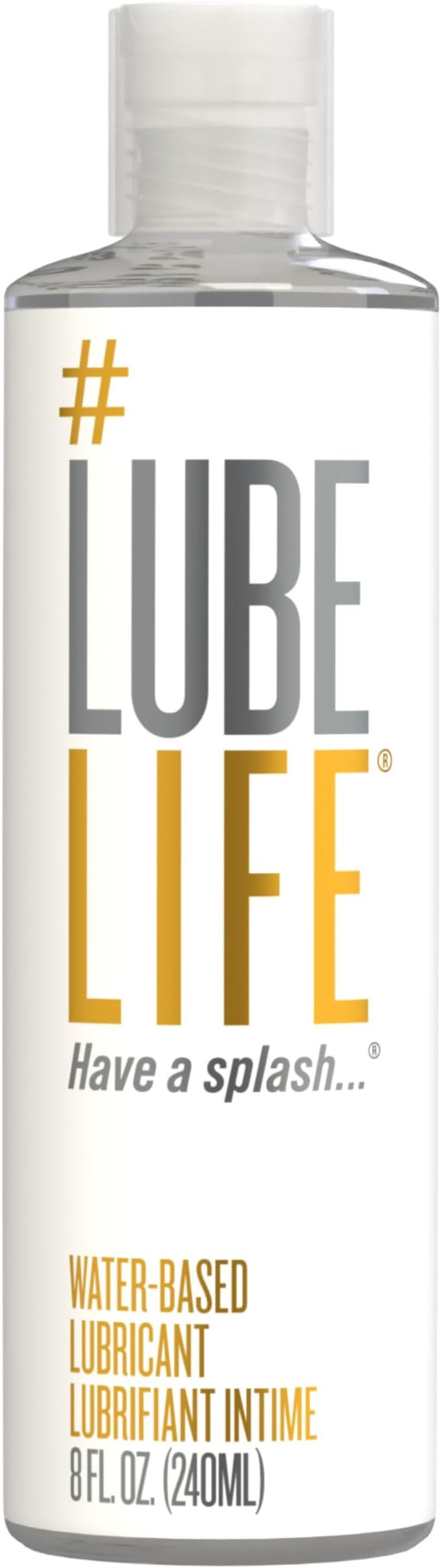
Instead, water-based or silicone-based lubricants formulated for intimate use are better choices. For daily vaginal dryness that is not related to intercourse, a vaginal moisturizer (an over-the-counter product applied regularly, not just for sex) is recommended. Brands like Replens or Hyalo Gyn are examples of moisturizers that help restore hydration to the tissues over time, unlike lubricants which only provide temporary slickness.
The second part of this habit involves water intake. Dehydration affects all mucous membranes, including the vagina. While drinking more water alone will not cure postmenopausal dryness, consistent hydration (around 6–8 glasses of water per day, adjusted for activity and climate) supports overall tissue health and helps your body produce natural secretions. Caffeine and alcohol have mild diuretic effects that can contribute to dryness in sensitive women.
Beyond the Habits: What Actually Works
If you have modified cleansing and lubricant habits but still feel significant dryness, it is worth knowing that this is a medically recognized condition with effective treatments. The first-line non-hormonal options include regular use of a vaginal moisturizer (every 2–3 days) and a water-based lubricant during sexual activity. Studies show that consistent moisturizer use can improve vaginal dryness scores similarly to low-dose vaginal estrogen in some women after 12 weeks.
For moderate to severe symptoms, low-dose vaginal estrogen (cream, tablet, or ring) is safe for most women, including breast cancer survivors who should discuss with their oncologist first. Ospemifene is an oral non-estrogen medication specifically for painful intercourse from vaginal dryness. Laser therapies exist but lack long-term safety data and are not routinely recommended by major medical societies.
An often-overlooked angle is pH restoration. Some vaginal moisturizers contain lactic acid to help maintain an acidic environment, which supports healthy bacteria. A 2018 study in Menopause found that a hyaluronic acid-based moisturizer improved symptoms and vaginal health index scores without hormones.
Key caveat: If dryness is accompanied by persistent itching, burning, or an unusual discharge, do not diagnose yourself—see a healthcare provider. Vaginal atrophy (genitourinary syndrome of menopause) can mimic a yeast infection, and treatment differs.
Small Changes Add Up
Postmenopausal vaginal dryness is not a flaw in your body; it is a predictable shift in tissue biology. The habits you can control—how you clean and what you apply—actually influence the moisture balance daily. Dropping harsh washes and switching to a proper vaginal moisturizer are two changes that many women report making a real difference within two to four weeks.
If you take nothing else from this, remember: your vagina does not need to smell like a flower or feel squeaky clean. It needs to stay mildly acidic, well-hydrated, and free of bacterial disruption. Your daily routine can either support that or oppose it.