You know the usual suspects: spicy food, a glass of red wine, or a stressful email that arrives right before bed. But what if the thing that is turning up your internal thermostat is something you do every single day without a second thought? Many women find that hot flashes continue long after they thought they had everything under control, and the culprit often hides in plain sight.
We tend to look for big triggers—a hot room, a stressful event, a bowl of chili—but the most persistent triggers are often quiet, mundane habits that feel completely harmless. Here are two daily routines that could be secretly firing up your heat cycles, along with a few practical adjustments that might help you stay cooler.
The morning coffee (or afternoon tea) connection
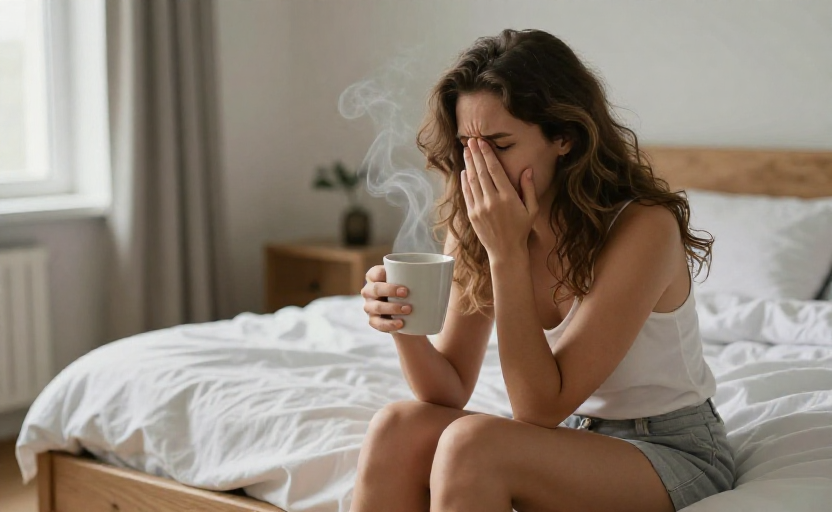
For millions of women, the day does not really start until they have a warm mug in their hands. Coffee is a ritual of comfort and alertness, but it is also a potent vasodilator. Caffeine works by stimulating the central nervous system, which can cause blood vessels near the skin to widen—a process that immediately makes you feel warmer. For a woman navigating perimenopause or menopause, this effect can tip the scales directly into a hot flash.
The tricky part is that this is not just about a hot beverage. The caffeine itself is the trigger, and it can be hiding in iced coffee, black tea, green tea, soda, and even chocolate. The vasodilation effect can last for several hours, meaning that your afternoon pick-me-up could be setting you up for an uncomfortable evening. If you suspect caffeine is an issue, the standard advice is to gradually reduce your intake, but a more practical first step is to change how you consume it. Drinking a full glass of water alongside your coffee helps dilute the concentration, and making sure you eat a protein-rich breakfast with your cup slows down the absorption rate.
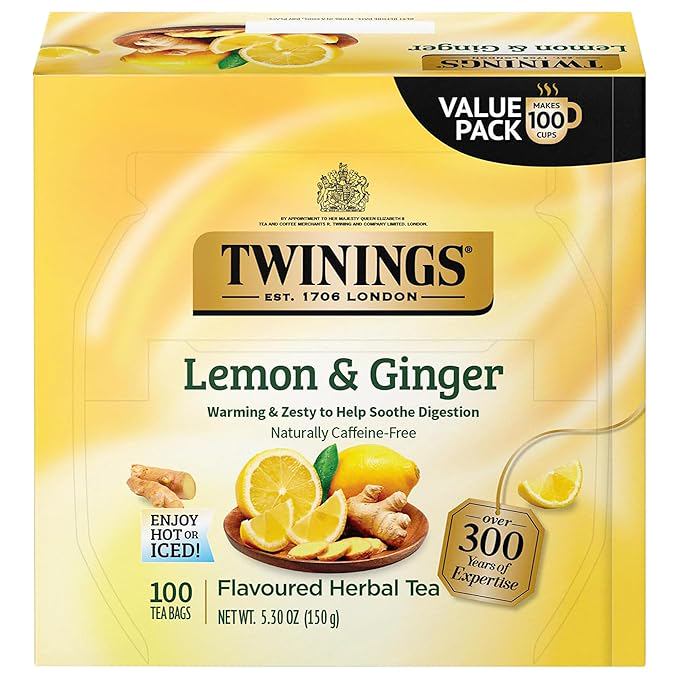
A quick test: Switch to a warm, caffeine-free herbal tea (like peppermint or rooibos) for one week and note any change in the frequency or intensity of your hot flashes. This is a low-risk experiment that often reveals a strong link.
The evening wind-down that backfires
It sounds completely counterintuitive, but the very routine you use to relax at night might be activating your hot flashes. Many women use a glass of wine, a hot bath, or a heavy duvet as signals that it is time to sleep. Unfortunately, each of these can trigger a thermoregulatory event.
Alcohol, even a small amount, is a well-known vasodilator and can disrupt the body's core temperature regulation. A glass of wine after dinner can cause a flush that mimics a hot flash, and as the body metabolizes the alcohol, it can trigger a rebound effect that wakes you up sweating in the middle of the night. The hot bath is another double-edged sword. While it feels soothing to step into the warm water, the rapid cooling that happens after you get out can confuse your hypothalamus, the brain's temperature control center, causing it to overcorrect with a sudden surge of heat.
There is also the snug cocoon factor. A heavy blanket that feels comforting can trap too much heat. Your core temperature naturally drops slightly as you fall asleep, and a blanket that is too heavy prevents that drop, signaling your brain to dump heat via a hot flash.
How to adjust your evening routine
You don't have to give up comfort entirely. Instead, think about timing and layering:
- Move the alcohol earlier. If you enjoy a glass of wine, have it with dinner (at least three hours before bed) rather than as a nightcap. This gives your body time to process it before you enter deep sleep.
- Cool the bath. Take a warm bath (not hot) an hour before bed, and leave the bathroom door open so the temperature drop is gradual. Pat yourself dry instead of rubbing vigorously, which can stimulate circulation.
- Layer your bedding. Use a light base sheet and a thin, breathable blanket (cotton or bamboo). Keep a separate, heavier throw nearby that you can pull up only if you get cold, rather than starting the night buried under a thick comforter.
Why these habits fly under the radar
The reason these two habits are so sneaky is that they do not cause an immediate, dramatic reaction in everyone. The effect is cumulative and delayed. You might have coffee at 8 a.m., feel fine all morning, and then experience a hot flash at 11 a.m. that you attribute to stress or the heat outside. The connection is not obvious. Similarly, you might have a glass of wine with dinner, fall asleep easily, and then wake up drenched at 2 a.m. without connecting it to what you drank hours earlier.
Keeping a simple symptom journal for one week can be incredibly eye-opening. Note the time of every hot flash, and also note what you ate, drank, and did in the two hours prior to bedtime and the two hours before the flash occurred. Patterns often emerge that you simply could not see without writing them down.
The goal here is not to strip your life of coffee and comfort. It is about awareness. Once you recognize that a morning latte or a bedtime routine is playing a role, you can make small, targeted changes that do not feel like deprivation. A little adjustment to timing or temperature can make a significant difference in your overall comfort and sleep quality. You are not imagining those flashes, and you are not powerless against them. Often, the quietest habits are the ones worth questioning first.