
You check the mirror and notice those horizontal lines across your forehead seem a little deeper than they did last month. Before you blame age or reach for a new serum, consider this: two everyday habits you probably don't think twice about could be etching those lines in place, day after day. The good news? Once you see them, you can stop them — without spending a cent.
Your skin is incredibly responsive to repeated mechanical stress. Think of it like folding a piece of paper in the same spot over and over. The crease eventually stays. Your forehead works the same way. Certain unconscious movements and positions create constant folding of the skin, and over time, the collagen and elastin fibers break down along those fold lines. Two habits in particular fly under the radar.
Habit #1: The Way You Sleep
If you wake up with a creased pillowcase, you might be a stomach or side sleeper. When you press your face into a pillow for seven or eight hours a night, your forehead skin gets pushed into unnatural folds. Unlike the dynamic lines from smiling or frowning — which come and go — sleep creases are sustained pressure. Your skin literally molds itself around the fabric.
Over months and years, those temporary morning creases become permanent grooves. The forehead is especially vulnerable because it has a thin layer of subcutaneous fat. There isn't much padding between the bone and your skin, so the pressure hits directly. Side sleepers often develop a deeper line on the side they favor. Stomach sleepers get a more symmetrical, horizontal pattern.
Your sleeping position may be the single longest repetitive stress your face endures each day. And you are completely unconscious while it happens.
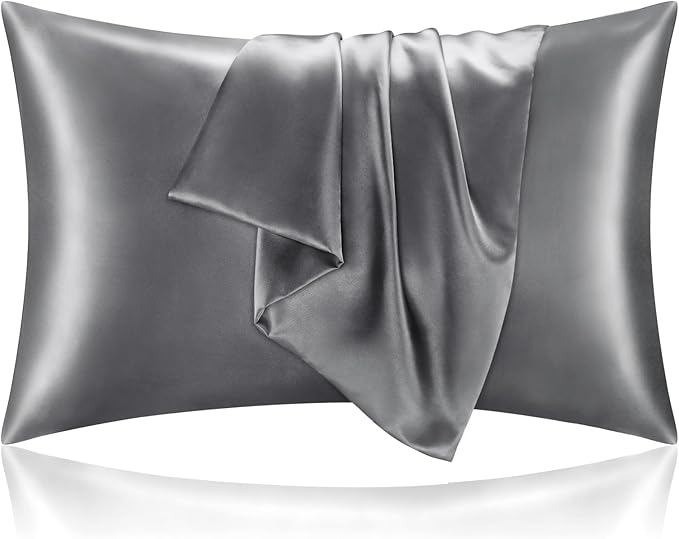
What you can do about it: Switch to sleeping on your back. It feels foreign at first, but most people adjust within a week or two. If that feels impossible, try a silk or satin pillowcase. The smooth surface creates less friction and allows your skin to slide rather than stay locked in a fold. Cervical pillows designed for back sleeping can also help by supporting your neck so you don't roll over in your sleep.
Habit #2: Unconscious Facial Expressions (Especially When You Read or Look Down)
You likely raise your eyebrows dozens of times a day without realizing it. Reading a phone, squinting at a screen, or even concentrating while you cook triggers the frontalis muscle — the broad muscle that runs across your forehead. Every time you lift your brows, you create a temporary fold. Do it enough, and the skin remembers.
There is a specific expression pattern that accelerates this: lifting the eyebrows while looking downward. Think about scrolling through your phone while sitting at a desk or reading in bed. Your eyes look down, but your eyebrows lift upward to keep the upper lids open. This creates a repeated, exaggerated crease across the entire forehead. It is a double movement — opposite directions — which puts more tension on the skin than a simple expression.
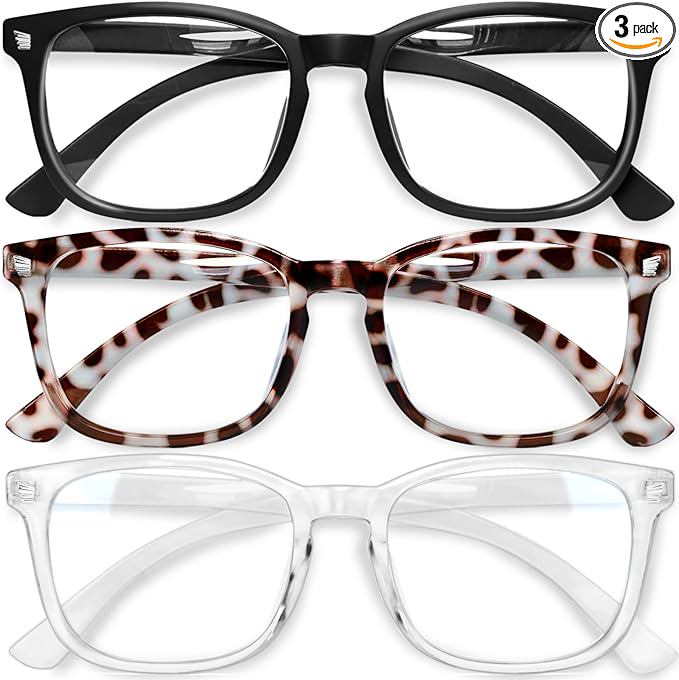
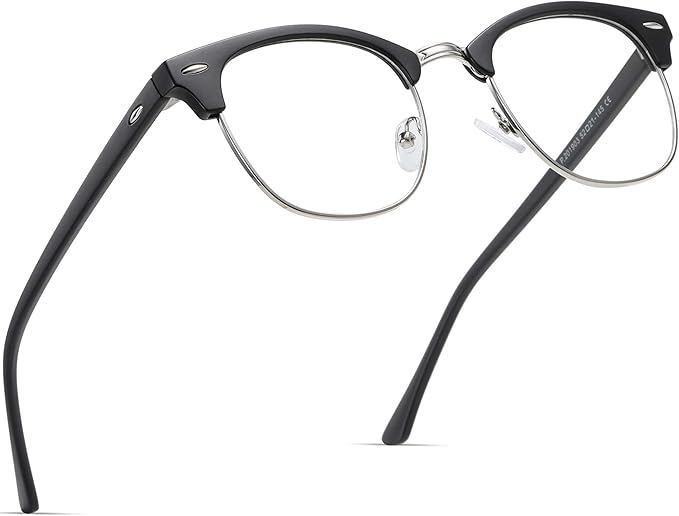
You also may do this while wearing reading glasses that sit too low on your nose, forcing you to lift your brows to see over them. Or when you wear progressive lenses and tilt your head back to read the bottom portion of the lens.
How to break the expression habit
- Set up your screen at eye level. If you read or work on a phone, hold it up so you don't need to look down and lift your brows at the same time.
- Check your glasses fit. Make sure your frames or reading glasses sit correctly so you are not compensating with your forehead.
- Practice a soft gaze. A few times a day, deliberately relax your forehead muscles. Let your eyebrows drop. You will feel the difference immediately — a sense of release. Do it every time you catch yourself frowning or lifting.
- Use a small sticky note reminder. Place one on your computer screen or phone case. Every time you see it, check your forehead tension. Awareness alone can reduce the habit.
Small tweaks, real results
These two habits — sleeping position and unconscious brow lifting — are so routine that we rarely connect them to forehead lines. Yet they likely contribute more to deepening creases than sun exposure alone. You do not need expensive devices or injectables to change them. A shift in awareness and a few simple adjustments to how you sleep and how you hold your face can stop the daily mechanical damage.
Your skin has a remarkable ability to recover when you remove the source of repeated stress. Within a few weeks of consistent back sleeping and relaxed forehead muscles, you might notice the lines soften. They will not disappear overnight, but they will stop getting deeper. That is a victory worth the effort.