
Many people assume that the solution to dry, tight skin is simply more cleansing or a richer moisturizer. But sometimes, the very habits you rely on to feel fresh are quietly eroding your skin's barrier, locking you into a cycle of persistent dryness. Understanding how everyday washing routines can backfire is the first step toward genuine relief.
Dry skin isn't always a lack of oil—it can be a sign that the skin's protective layer is damaged. Two common cleansing habits, in particular, can strip this barrier: using harsh, foaming cleansers and washing with water that is too hot. Let's take a closer look at how these habits work against your skin and what you can do instead.
Why your cleanser might be the culprit
Many foaming cleansers, especially those designed for oily or combination skin, rely on strong surfactants like sodium lauryl sulfate or sodium laureth sulfate. These compounds create a satisfying lather but can also dissolve the natural lipids and ceramides your skin needs to hold moisture.
When these lipids are stripped away, water evaporates from the skin more quickly, leading to that feeling of tightness right after washing. Over time, this daily stripping weakens the barrier, making skin more reactive, flaky, and prone to irritation. If you have been using a foaming cleanser twice a day and noticing that your moisturizer isn't helping as much as it used to, this could be why.
A good rule of thumb: If your skin feels tight or squeaky after cleansing, the cleanser is too aggressive for your skin type, even if it labels itself as gentle.
Water temperature matters more than you think
Hot water feels soothing, especially in cooler months, but it is a major contributor to long-term dryness. Water that is too hot breaks down the fragile lipid barrier much faster than warm or cool water. A hot shower or face wash may feel relaxing, but it is actively dissolving the oils your skin needs to stay supple.
Many people wash their face or shower with hot water without realizing that even slightly warm water is enough to clean effectively. Over weeks and months, this repeated heat exposure damages the barrier, leaving skin more sensitive and dehydrated. It does not matter what cleanser you use if the water temperature is too high.
What a better morning and evening routine looks like
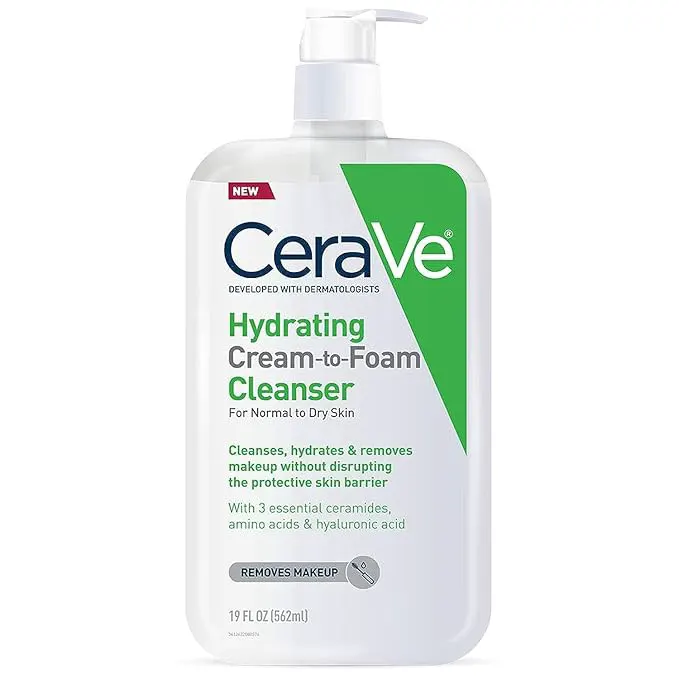
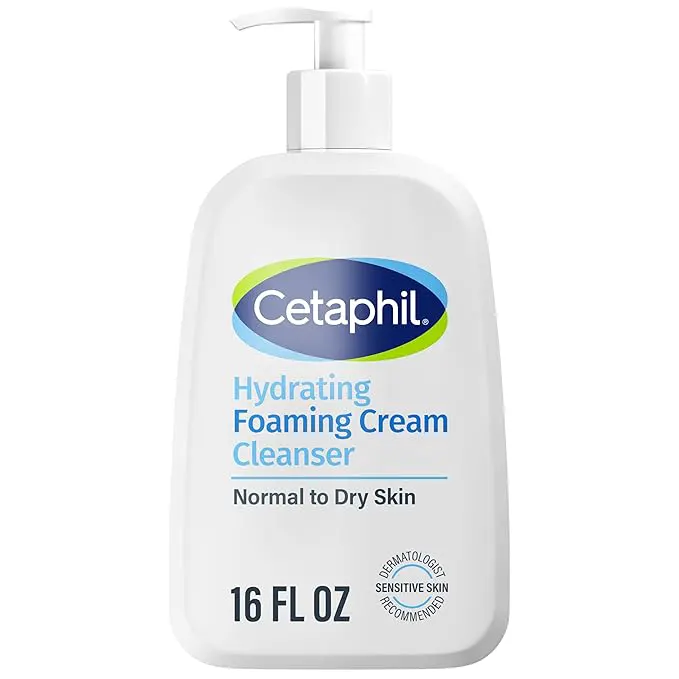
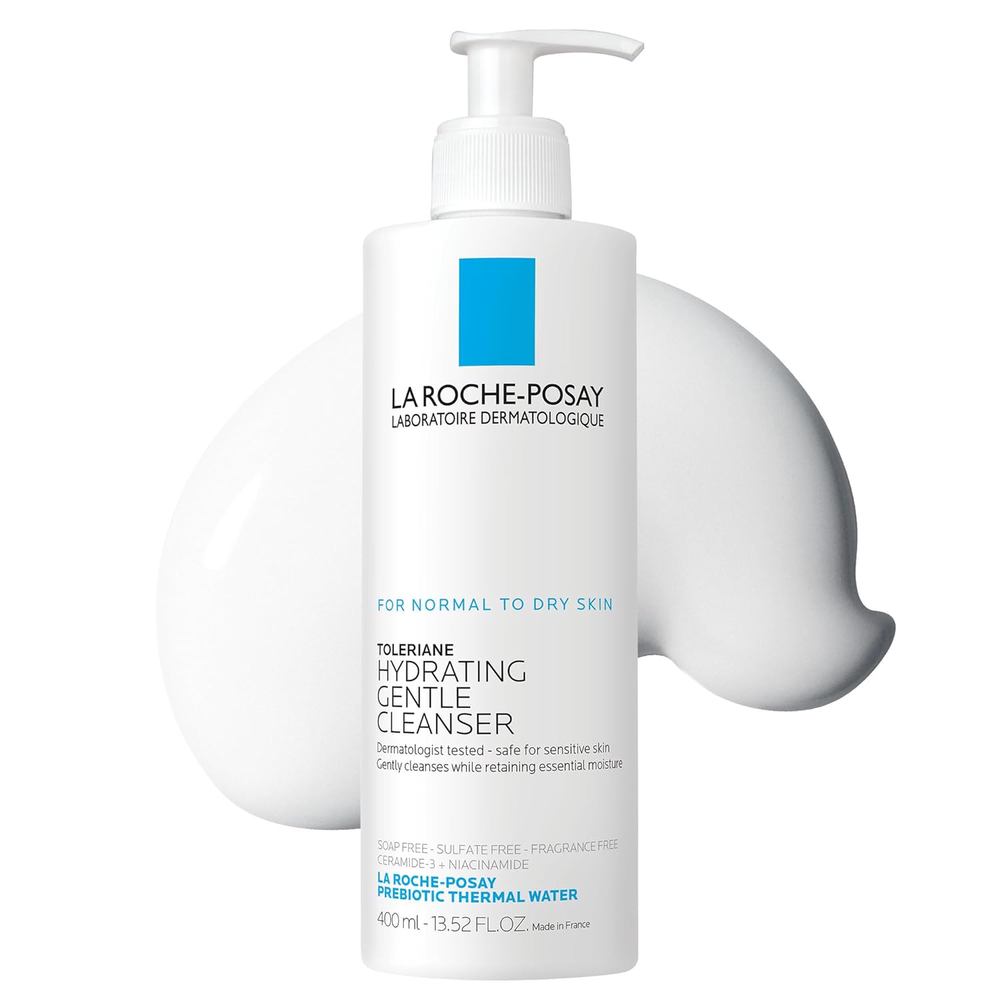
Switching to a non-foaming, cream- or oil-based cleanser can make an enormous difference. These types of cleansers clean without stripping, because they use emollient ingredients that respect the barrier. In the morning, many people with dry skin do not even need a full cleanse—just a splash of lukewarm water or a gentle micellar water rinse can be enough.
At night, a gentle balm or oil cleanser followed by a hydrating toner and a rich moisturizer can help repair the day's damage. The goal is not to overhaul everything at once but to replace the most irritating steps first.
Small changes, real impact
Correcting these two cleansing habits does not require expensive products or complicated routines. It simply means being gentler. If you are battling chronic dry skin and wonder why your lotion is not working, step back and look at how you are washing. Often, the solution is found not in what you add but in what you remove from your routine.
For those who struggle with persistent dryness, it is also wise to patch-test any new cleanser on a small area for a few days before committing. Skin that is already compromised can react to even “natural” ingredients like essential oils or botanical extracts. When in doubt, choose a cleanser with the fewest ingredients and no fragrance.
Ultimately, long-term skin health depends on protecting the barrier, not stripping it. By swapping out harsh foaming cleansers and turning down the water temperature, you give your skin a real chance to recover and hold onto moisture. These two simple adjustments can stop the cycle of dryness before it ever starts.